NewsDigest

Algorithm-guided insulin dosing improves type 2 diabetes

🏷️ Medical🌍 United States🔗 2 sources34Digest ScoreiThis score reflects the story's reliability, bias neutrality, and public momentum.
Algorithm-guided insulin dosing improves type 2 diabetes

📰 Full Story

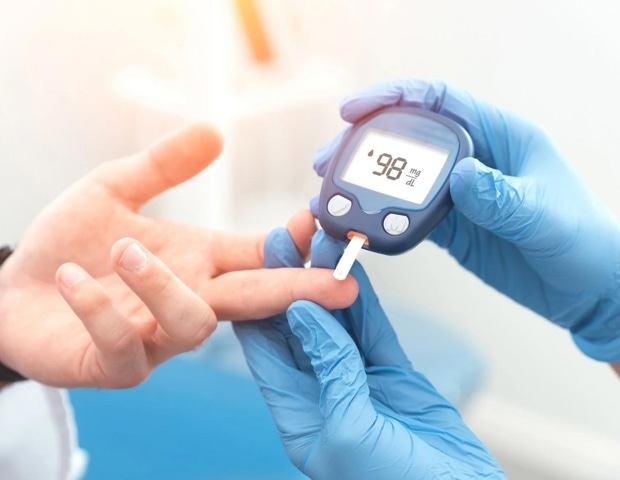
Researchers at the University of Virginia Center for Diabetes Technology report that an algorithm paired with a continuous glucose monitor (CGM) markedly improved glycaemic control in people with type 2 diabetes in a 16‑week randomized trial. Thirty participants were assigned to weekly insulin‑dose recommendations generated by the algorithm using the prior two weeks of CGM data, or to standard self‑monitoring. Time in target glucose range rose from 54.1% to 75.3% in the algorithm group versus 50.2% to 55.3% in the self‑monitoring group. The study, published in Diabetes Technology & Therapeutics, tested algorithmic titration for early once‑daily insulin therapy (insulin degludec, with or without other glucose‑lowering drugs) and was supported by a Novo Nordisk grant. Authors say the approach could streamline insulin titration and deliver personalized dosing advice as CGMs and connected devices become more widespread. The investigators caution that larger and longer trials across diverse populations are needed to confirm safety, generalisability and long‑term benefits.

Wine linked to lower cardiovascular mortality than other drinks

🏷️ Medical🌍 United Kingdom🔥 Trending🔗 7 sources47Digest ScoreiThis score reflects the story's reliability, bias neutrality, and public momentum.
Wine linked to lower cardiovascular mortality than other drinks

📰 Full Story

A large UK Biobank analysis of 340,924 adults followed for more than 13 years suggests that the health risks of alcohol vary by beverage type. Researchers presenting at the American College of Cardiology’s Annual Scientific Session reported that low-to-moderate wine consumption was associated with a 21% lower risk of dying from cardiovascular disease compared with people who never or only occasionally drank. By contrast, low-to-moderate intake of spirits, beer or cider was tied to a roughly 9% higher cardiovascular mortality risk versus non- or occasional drinkers. High alcohol intake raised risks across the board: heavy drinkers were 24% more likely to die from any cause, 36% more likely to die from cancer and 14% more likely to die from heart disease. Findings were adjusted for multiple demographic and lifestyle factors, but are observational and based on self-reported baseline drinking habits; UK Biobank participants tend to be healthier and wealthier than the general population. Authors noted possible explanations including wine’s polyphenols and differing drinking contexts, while calling for randomized trials to clarify causation.

🔗 Based On

Individual cognitive processing therapy more efficacious in treating PTSD symptomsU.S. study links ultra-processed foods to lower odds of fertility
Euronews | Latest breaking news available as free video on demandWine vs beer vs spirits: Which is the least bad for your health?

FDA clears high-dose Wegovy, boosting Novo Nordisk

🏷️ Medical🌍 United States🔥 Trending🔗 16 sources37Digest ScoreiThis score reflects the story's reliability, bias neutrality, and public momentum.
FDA clears high-dose Wegovy, boosting Novo Nordisk

📰 Full Story

The U.S. Food and Drug Administration approved a higher 7.2-milligram dose of Novo Nordisk’s semaglutide injection—branded Wegovy HD—on March 19, 2026, under the agency’s Commissioner’s National Priority Voucher pilot program. The accelerated review took 54 days; the company plans a U.S. launch in April and will announce pricing then. Data from the 72-week STEP UP trials showed mean weight loss of about 20.7% with the 7.2 mg dose versus 17.5% with the 2.4 mg dose; one-third of participants on the high dose lost ≥25% body weight. Safety signals include higher rates of gastrointestinal side effects and dysesthesia (skin sensations) with the 7.2 mg dose, and the label carries a boxed warning about possible thyroid C-cell tumors and relevant contraindications. The approval follows recent EU/UK clearances and comes after Novo introduced an oral semaglutide pill in December 2025. Novo is using the new formulation and regional strategies—including self-pay pathways in Japan—to regain ground from rival Eli Lilly, which has taken the lead in U.S. GLP-1 market share.

🤝 Social Media Insights

Social Summary
1 / 5
Injection reluctance and delivery format are meaningful uptake risks. Investors see a large obesity market but heightened competition—including potential oral GLP‑1 approvals—could limit pricing and market share; one comment misstated product forms.

Morning Exercise Linked to Lower Cardiometabolic Risk

🏷️ Medical🌍 United States🔗 6 sources36Digest ScoreiThis score reflects the story's reliability, bias neutrality, and public momentum.
Morning Exercise Linked to Lower Cardiometabolic Risk

📰 Full Story

Two sets of health studies published and presented this week point to modest, practical lifestyle changes that may reduce cardiovascular risk. In one study to be presented at the American College of Cardiology’s annual meeting, researchers analyzed Fitbit and health data from nearly 14,500 participants in the U.S.-based All of Us study and found that people who exercised in the morning had lower odds of obesity, coronary artery disease, type 2 diabetes, hyperlipidemia and high blood pressure than those who exercised later in the day. Exercise between 7:00 a.m. and 8:00 a.m. was linked to the lowest odds of coronary artery disease. The study was observational and has not yet been peer reviewed. Separately, research published in the European Journal of Preventive Cardiology and covered by multiple outlets found that small combined changes in sleep, diet and physical activity could meaningfully reduce major cardiovascular events. Among more than 53,000 UK Biobank participants followed for eight years, adding 11 minutes of sleep, 4.5 minutes of brisk walking and a quarter cup of vegetables per day was associated with about a 10% lower risk of heart attack, stroke or heart failure. An “optimal” pattern of 8-9 hours of sleep, more than 42 minutes of daily moderate-to-vigorous exercise and healthier eating was linked to a 57% lower risk.

Multiple sclerosis prevalence doubles in England

🏷️ Medical🌍 United Kingdom🔗 3 sources36Digest ScoreiThis score reflects the story's reliability, bias neutrality, and public momentum.
Multiple sclerosis prevalence doubles in England

📰 Full Story

Researchers from University College London and Imperial College London found recorded multiple sclerosis (MS) prevalence in England more than doubled between 2000 and 2020, rising from 107.1 to 231.8 cases per 100,000 (21,997 to 37,669 cases). Using primary care records from the Clinical Practice Research Datalink Aurum covering 1990–2023 and published in JAMA Neurology (23 March 2026), the team estimated roughly 131,000 people were living with MS in 2020 and projected about 190,000 in England today. Adjusted prevalence increased by about 6% per year (PR 1.06). Survival improved over the study period (annual mortality hazard ratio per later year 0.88), attributed to earlier diagnosis, better access to care and disease‑modifying therapies. The study identified stark socioeconomic differences: prevalence was higher in least deprived areas while mortality was higher in the most deprived (HR 1.22), with smoking and abnormal weight (underweight or obesity) linked to greater mortality. Trends showed rising odds of obesity and underweight and lower rates of smoking cessation in deprived communities. Authors note limitations including routine data collection, potential misclassification and residual confounding.

Scientists convert plastic bottles into Parkinson’s drug

🏷️ Medical🌍 United Kingdom🔗 9 sources36Digest ScoreiThis score reflects the story's reliability, bias neutrality, and public momentum.
Scientists convert plastic bottles into Parkinson’s drug

📰 Full Story

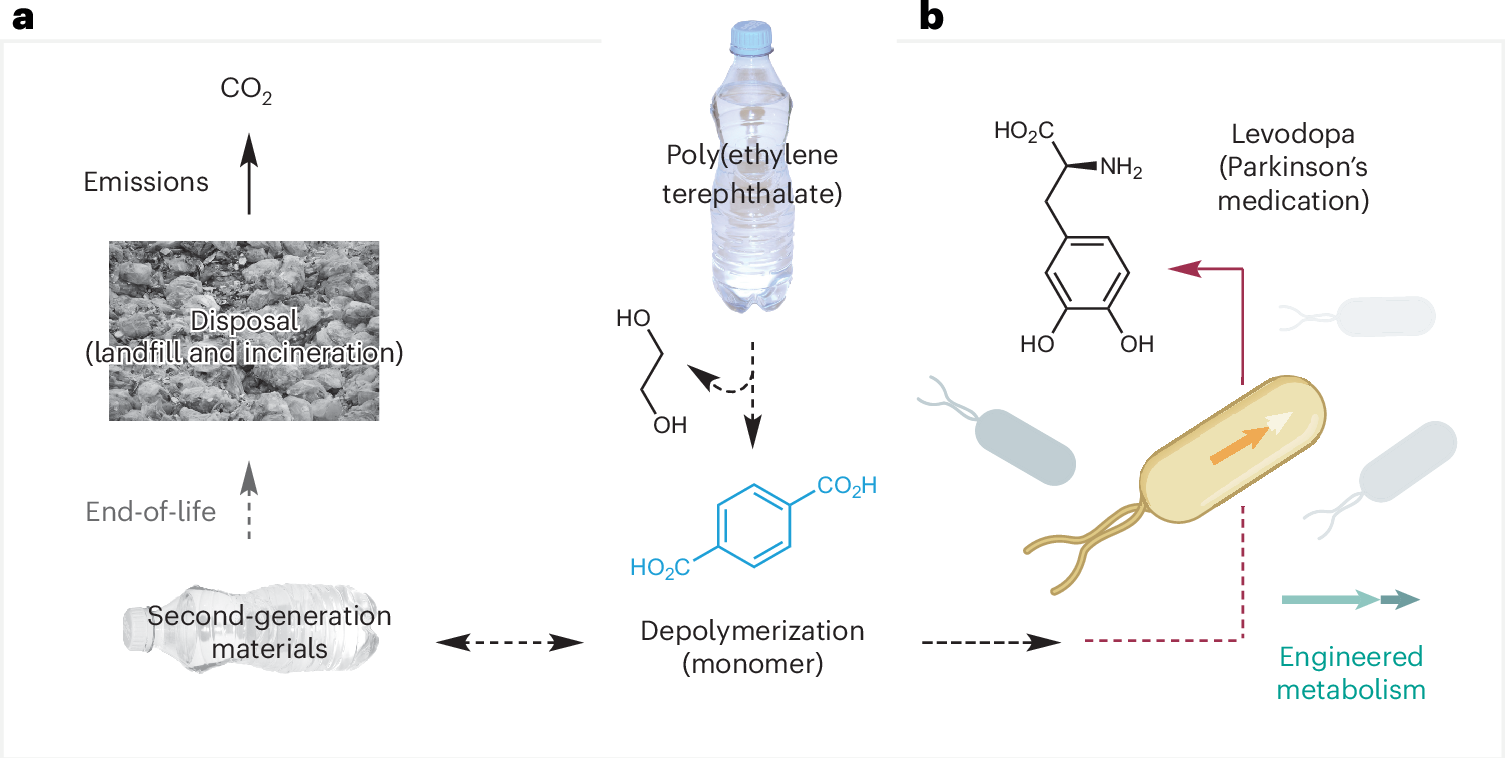
Researchers at the University of Edinburgh have demonstrated a proof-of-concept bioprocess that converts post-consumer PET plastic into levodopa (L‑DOPA), a frontline treatment for Parkinson’s disease. Published in Nature Sustainability on March 16, 2026, the team engineered Escherichia coli with a four-step pathway split across two cooperating strains to overcome substrate transport limits and feedback inhibition. The process uses terephthalic acid (TPA) derived from enzymatic PET depolymerisation and achieved isolated L‑DOPA titres of 5.0 g L−1 and conversion efficiencies reported up to 84% in optimized workflows using industrial waste feedstocks and a single post‑consumer bottle. The work also demonstrated integration with the microalga Chlamydomonas reinhardtii to capture CO2 from the process, as part of a Carbon‑Loop Sustainable Biomanufacturing Hub programme. The study was supported by UK Research and Innovation and the Industrial Biotechnology Innovation Centre and has drawn media coverage and institutional commentary noting potential for a new “bio‑upcycling” industry. Authors caution the method remains to be scaled, economically validated and assessed for regulatory and manufacturing compliance before industrial deployment.

🔗 Based On

SUR in English - Spanish news in EnglishScientists make Parkinson's drug from used plastic bottles
Venture Capital Financings and Technology StartupsRubi Raises $7.5M Financing Round
Explore more on NewsDigest