NewsDigest

Epic Games to Cut Over 1,000 Jobs

đŸ·ïž Indie Video Games🌍 United StatesđŸ”„ Trending🔗 25 sources76Digest ScoreiThis score reflects the story's reliability, bias neutrality, and public momentum.
Epic Games to Cut Over 1,000 Jobs

📰 Full Story

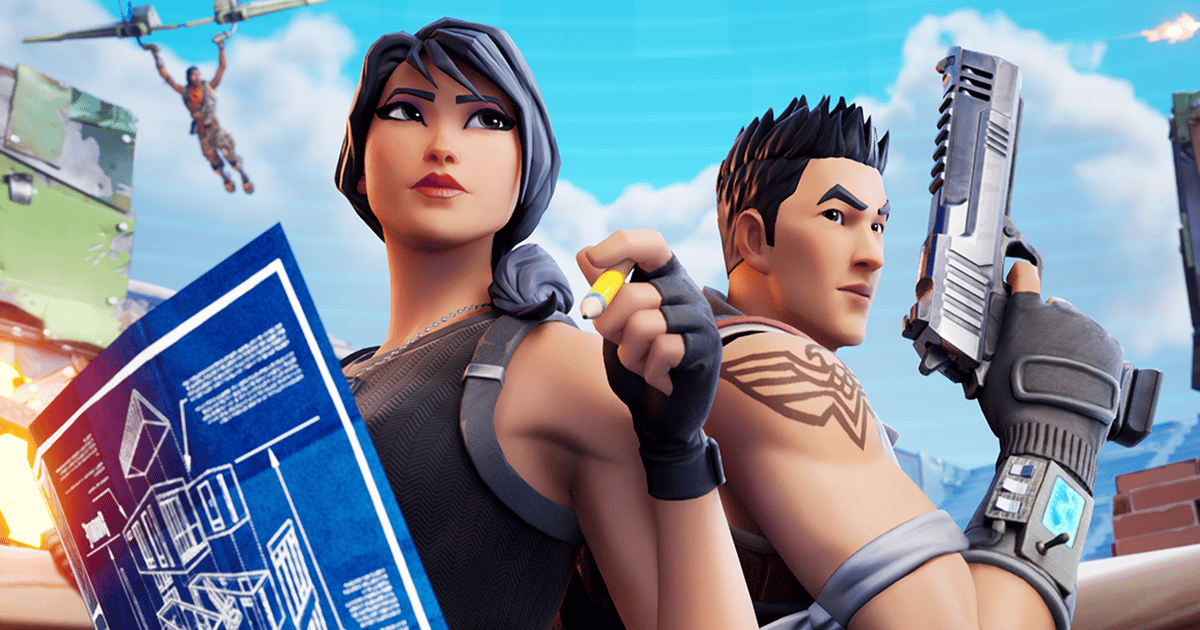
Epic Games announced on March 24, 2026, it will lay off more than 1,000 employees as part of a wider restructuring prompted by a sustained downturn in engagement with flagship title Fortnite that began in 2025. CEO Tim Sweeney said the cuts, combined with more than $500 million in identified cost savings across contracting, marketing and unfilled roles, are needed because the company is "spending significantly more than we're making." The move follows a controversial V‑Bucks price increase this month and comes two years after a similar round of cuts in 2023. Epic said affected staff will receive at least four months' base pay in severance, extended Epic‑paid healthcare (six months in the U.S.), accelerated stock‑option vesting and extended equity exercise periods. The company also announced it will retire three lesser‑played Fortnite modes — Rocket Racing (offline October 2026), Ballistic and Festival Battle Stage (both off April 16, 2026) — as it prioritises core live‑service content and accelerates tooling work toward Unreal Engine 6. Sweeney stressed the layoffs are not related to AI and attributed part of the pressure to industry‑wide trends such as weaker consumer spending and softer console sales.

đŸ€ Social Media Insights

Social Summary
1 / 5
Eyewitness reports describe a coordinated lockout-and-email approach to notifications, signaling a rapid operational shutdown for affected employees. Given Epic’s private status and opaque finances, public profitability claims in the discussion are unverified; the cuts are likely to drive further turnover and project consolidation.

Nintendo cuts Switch 2 production by one-third

đŸ·ïž Indie Video Games🌍 Japan🔗 20 sources34Digest ScoreiThis score reflects the story's reliability, bias neutrality, and public momentum.
Nintendo cuts Switch 2 production by one-third

📰 Full Story

Nintendo has told suppliers it will cut planned production of its Switch 2 console this quarter from about 6 million units to roughly 4 million, according to people familiar with the matter quoted in multiple reports on March 24, 2026. The reduction follows weaker-than-expected holiday sales in the United States and other overseas markets, even as demand in Japan remained strong. Nintendo’s leadership has said global sales forecasts for hardware and software remain broadly unchanged, and the company is reportedly waiting to see if recent hits such as PokĂ©mon Pokopia sustain momentum before ramping output. Reports say the lower run-rate will continue into April. Executives have also been monitoring rising memory-chip prices and regulatory-driven product revisions — including an EU-bound Switch 2 with a replaceable battery — but sources said the production cut is demand-driven rather than a component-supply decision. The Switch 2 remains one of Nintendo’s fastest-selling consoles, and the firm is expected to report results and provide further guidance in upcoming earnings updates.

đŸ€ Social Media Insights

Social Summary
1 / 5
Commenters coalesce around a demand-side explanation: initial surges by diehard buyers, high game prices and a thin early exclusive lineup have likely throttled continued Switch 2 sales. They also flag the reporting source and cite anecdotal evidence of ample retail stock, advising caution interpreting the production cut as solely supply-driven.

Meta reverses plan to end Horizon Worlds VR

đŸ·ïž Indie Video Games🌍 United StatesđŸ”„ Trending🔗 14 sources32Digest ScoreiThis score reflects the story's reliability, bias neutrality, and public momentum.
Meta reverses plan to end Horizon Worlds VR

📰 Full Story

Meta said on March 19, 2026, it will keep Horizon Worlds’ existing virtual‑reality experiences running on Quest headsets “for the foreseeable future” after earlier announcing plans to remove the app from the Quest Store on March 31 and fully discontinue VR access on June 15. CTO Andrew Bosworth said in an Instagram Q&A that existing Horizon Unity Runtime games will continue to work in VR but the company will not commission new VR games, instead prioritising a mobile‑first Horizon app on iOS and Android. The reversal follows a broader re‑set of Meta’s XR strategy: Reality Labs has posted cumulative multiyear losses estimated at roughly $70–80 billion, cut more than 1,000 staff, closed several internal VR studios and is planning up to 30% budget reductions in 2026. Meta says it will separate the Quest platform from the Worlds platform, double down on third‑party VR developer support while shifting product and investment focus toward mobile experiences, AI and wearable devices (including Ray‑Ban Meta glasses). The company continues work on future headsets even as it recalibrates content priorities.

đŸ€ Social Media Insights

Social Summary
1 / 5
Users point to established virtual platforms, product decisions (account ties, removed features), weak content and PR missteps as key reasons Horizon Worlds underperformed. Many expect Meta to shrink VR subsidies and reallocate resources to AI/wearables, but dramatic claims about fraud or a complete VR exit lack verification.

Capcom to Use Generative AI for Development, Not Assets

đŸ·ïž Indie Video Games🌍 JapanđŸ”„ Trending🔗 6 sources29Digest ScoreiThis score reflects the story's reliability, bias neutrality, and public momentum.
Capcom to Use Generative AI for Development, Not Assets

📰 Full Story

Capcom told investors in a Q&A summary published March 23, 2026, that it will not implement generative AI‑generated materials or assets into final game content, but will actively use generative AI to improve efficiency and productivity across development. The firm said it is testing potential applications across departments including graphics, sound and programming, and has experimented with cloud‑based prototypes to generate concept ideas and visual references. Capcom emphasised that final in‑game assets will continue to be produced by human teams. The clarification follows heightened industry scrutiny after Nvidia’s DLSS 5 demo and recent incidents—most notably Pearl Abyss’ admission that AI‑generated art slipped into Crimson Desert—prompted audits and public criticism. Capcom framed the approach as a way to speed concepting and reduce repetitive workload while protecting creative integrity and reassuring players and investors.

đŸ€ Social Media Insights

Social Summary
1 / 5
The discussion suggests Capcom’s announcement will likely be read as a compromise rather than a rejection of AI: use it to speed development, but do not let it shape the final game content. Several comments also stress that much of game development has relied on automation for years, and the main controversy now is where to draw the line.

Ubisoft ends development at Red Storm, lays off 105

đŸ·ïž Indie Video Games🌍 United StatesđŸ”„ Trending🔗 8 sources29Digest ScoreiThis score reflects the story's reliability, bias neutrality, and public momentum.
Ubisoft ends development at Red Storm, lays off 105

📰 Full Story

Ubisoft has ceased game development at Red Storm Entertainment and cut 105 jobs, company sources and industry reports said on March 19-20, 2026. The North Carolina studio, co-founded in 1996 by author Tom Clancy, will remain open but be repurposed for global IT and Snowdrop-engine support rather than creating new games. Red Storm — known for early Rainbow Six and Ghost Recon titles and more recently VR projects — has seen multiple project cancellations in recent years, including a Splinter Cell VR title (2022) and The Division: Heartland (2024). The latest move is part of a wider reorganisation Ubisoft announced in January to form five “creative houses,” reduce fixed costs and prioritise large-scale open-world and games-as-a-service projects. Ubisoft said affected staff will receive severance and transition assistance, and indicated Tom Clancy IP will continue under other studios across its network. The cut follows other recent layoffs and studio restructurings at Ubisoft in Canada and Europe, and comes amid union activity and employee protests at the publisher.

đŸ€ Social Media Insights

Social Summary
1 / 5
The commentary adds verifiable context: Red Storm stopped leading major Tom Clancy releases after 2012 and shifted into VR/support work with several cancelled projects. The studio’s development shutdown fits a longer pattern, but other Ubisoft teams are expected to continue the core franchises.
Explore more on NewsDigest