
NewsDigest

China's Q1 GDP Surpasses Forecasts Amid Iran War

🏷️ Finance & Economics🌍 China🔥 Trending🔗 9 sources52Digest ScoreiThis score reflects the story's reliability, bias neutrality, and public momentum.
China's Q1 GDP Surpasses Forecasts Amid Iran War

📰 Full Story

China’s economy accelerated to 5.0% year‑on‑year growth in Q1 2026, beating forecasts and posting a sequential expansion of 1.3% as manufacturing and exports powered an early‑year rebound. Industrial output rose 5.7% in March while retail sales lagged at 1.7%, underscoring weak domestic demand. March export growth slowed sharply to 2.5% month‑on‑month (after a combined January‑February surge), though exports for the January‑March period were still up about 14.7% year‑on‑year. Property investment remained a drag, falling double digits, and fixed‑asset investment growth softened. Policymakers have front‑loaded fiscal support, boosting bond issuance and spending, while the central bank is expected to keep policy accommodative but cautious. The outbreak of war in Iran has driven up energy and shipping costs, pushed factory‑gate prices out of deflation, and raised the risk that a protracted conflict will squeeze margins, slow global demand and hurt China’s export‑led recovery in coming quarters.
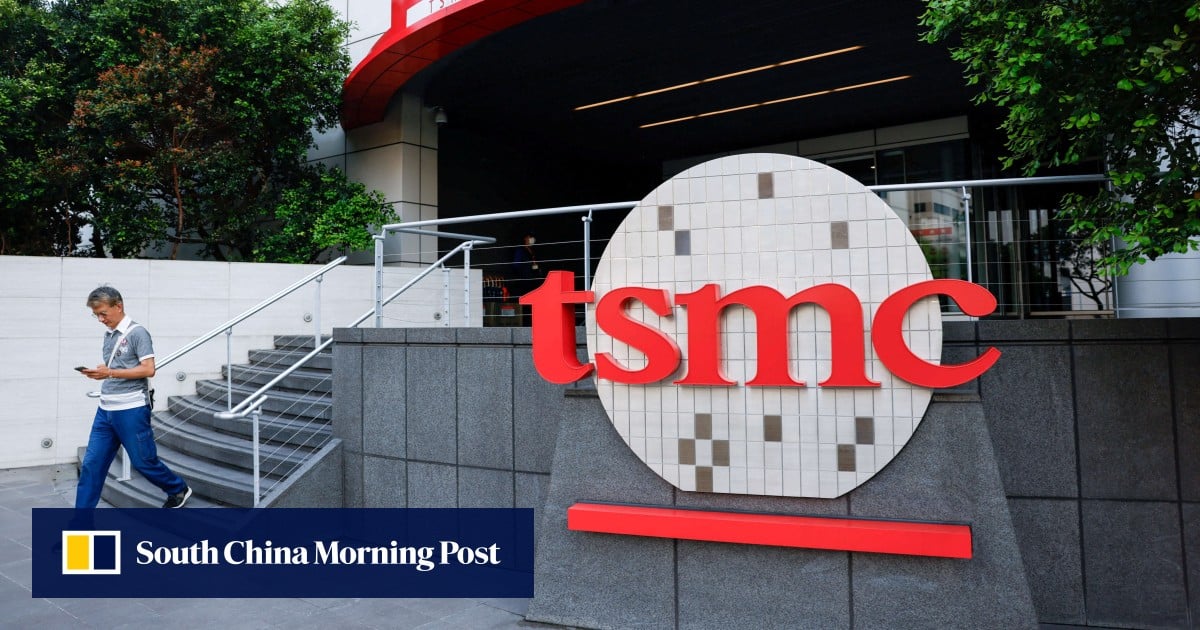

TSMC profit soars as AI demand surges

🏷️ Finance & Economics🔥 Trending🔗 44 sources66Digest ScoreiThis score reflects the story's reliability, bias neutrality, and public momentum.
TSMC profit soars as AI demand surges

📰 Full Story

Taiwan Semiconductor Manufacturing Co (TSMC) reported a 58% jump in first-quarter net profit to NT$572.5 billion ($18.2 billion) on April 16, 2026, driven by robust demand for AI chips. Revenue rose about 35% to roughly NT$1.13 trillion. Management lifted full-year revenue guidance to above 30% growth in U.S. dollars and forecast second-quarter sales of $39.0 billion to $40.2 billion. TSMC said advanced 3-nanometre products now account for about a quarter of sales, up sharply from 2023, and committed to capital spending at the high end of its $52-$56 billion guidance, including a $165 billion investment plan in Arizona. The company flagged tight manufacturing capacity and supply-chain risks from Middle East tensions for gases such as helium and hydrogen but said it holds safety stock and sources from multiple suppliers. Strong forecasts from related suppliers, including ASML, and analyst upgrades followed the results, sending TSMC shares to record levels and reinforcing its central role in the AI-driven semiconductor supply chain.

Governors demand FIFA cover $100 World Cup fares

🏷️ Finance & Economics🌍 United States🔥 Trending🔗 10 sources56Digest ScoreiThis score reflects the story's reliability, bias neutrality, and public momentum.
Governors demand FIFA cover $100 World Cup fares

📰 Full Story

U.S. governors, lawmakers and fans have mounted a backlash after reports that special-event rail fares to 2026 World Cup matches will surge — with NJ Transit planning round-trip tickets from New York Penn Station to MetLife Stadium above $100 and the Massachusetts Bay Transportation Authority setting Boston–Gillette Stadium rail fares at $80 (bus service up to $95). Sources say higher World Cup fares would eliminate usual concessions for children, seniors and disabled riders. New Jersey Governor Mikie Sherrill said her state “inherited an agreement where FIFA provides $0” for transport and cited a $48 million operating bill for NJ Transit; Senator Chuck Schumer and New York Governor Kathy Hochul also urged FIFA to help cover costs. FIFA has said supporters should be able to travel “at cost” and noted Host City Agreement changes in 2023; host committees and transit agencies say pricing is not yet finalized. Federal grants totaling about $100 million have been allocated to U.S. host cities but may be insufficient to cover the projected operating shortfalls. The pricing row adds to wider criticism of steep match-ticket and ancillary costs ahead of the tournament.

Kering Pledges to Double Profit Margins

🏷️ Finance & Economics🌍 Italy🔥 Trending🔗 7 sources45Digest ScoreiThis score reflects the story's reliability, bias neutrality, and public momentum.
Kering Pledges to Double Profit Margins

📰 Full Story

FLORENCE, Italy, April 16, 2026 — Kering CEO Luca de Meo unveiled a multi-year turnaround plan at the group’s capital markets day aimed at more than doubling recurring operating profit margins from about 11% and restoring Gucci’s appeal. The “ReconKering” roadmap targets a structural reset by end‑2026, a rebuild to sustainable growth by 2028 and market leadership by 2030. Key measures include cutting inventory by €1 billion within 12 months, shrinking Gucci selling space by 20% and outlet presence by a third, renovating two‑thirds of stores by 2030, closing at least 100 sites this year, and doubling jewellery sales by 2030. Kering will centralise production and tech functions in hubs, appoint a chief digital/AI officer, create centres of excellence and take a selective approach to acquisitions (including a reported minority stake in Chinese brand Icicle). The group also flagged eyewear partnerships with Google and a shift toward higher‑margin leather goods. Executives warned the Middle East conflict and weak China demand have already dented Gulf and travel‑related luxury sales; Kering shares fell on the news.

Meta expands Broadcom custom AI chip deal

🏷️ Finance & Economics🌍 United States🔥 Trending🔗 14 sources41Digest ScoreiThis score reflects the story's reliability, bias neutrality, and public momentum.
Meta expands Broadcom custom AI chip deal

📰 Full Story

Meta Platforms and Broadcom on April 14-15, 2026 expanded a multi‑generation partnership for Meta’s in‑house Training and Inference Accelerator (MTIA) chips, extending cooperation through 2029. The agreement includes an initial commitment of more than one gigawatt of compute capacity — with plans to scale to multiple gigawatts — and covers chip design, advanced packaging and Broadcom’s Ethernet networking to link large AI clusters. Broadcom CEO Hock Tan will step down from Meta’s board and take an advisory role on Meta’s custom‑silicon roadmap. Meta said MTIA 300 already runs ranking and recommendation systems and expects further MTIA generations through 2027. Markets reacted positively: Broadcom shares rose roughly 3–4% on April 15, while analysts upgraded targets even as some research and data providers flagged high valuations and insider selling. The deal sits alongside Meta’s wider AI infrastructure commitments, including large GPU purchases from AMD and Nvidia and plans for major data‑centre buildouts tied to its AI roadmap.

Canada housing sales slip as rates jump

🏷️ Finance & Economics🌍 Canada🔗 4 sources41Digest ScoreiThis score reflects the story's reliability, bias neutrality, and public momentum.
Canada housing sales slip as rates jump

📰 Full Story

Canadian home sales edged down in March as higher borrowing costs and global uncertainty weighed on activity, the Canadian Real Estate Association (CREA) said on April 16, 2026. Monthly MLS transactions fell 0.1% from February and were 2.3% lower than March 2025 on an unadjusted basis. CREA’s MLS Home Price Index declined 0.4% month-on-month and was down about 4.7% year-on-year; the non-seasonally adjusted national average home price was $673,084 in March. Newly listed properties declined 0.2% and the sales-to-new-listings ratio remained subdued at 47.8%. CREA said a mid-March jump in fixed mortgage rates — driven by higher oil prices after renewed conflict in the Middle East and attendant inflationary pressure — curtailed buyer activity and prompted the association to downgrade its 2026 outlook. CREA now forecasts 474,972 residential transactions for 2026 (up 1% from 2025 but below its January projection of 494,512) and expects the average national price to rise modestly to $688,955 this year, down from earlier projections.
Explore more on NewsDigest