
📰 Full Story
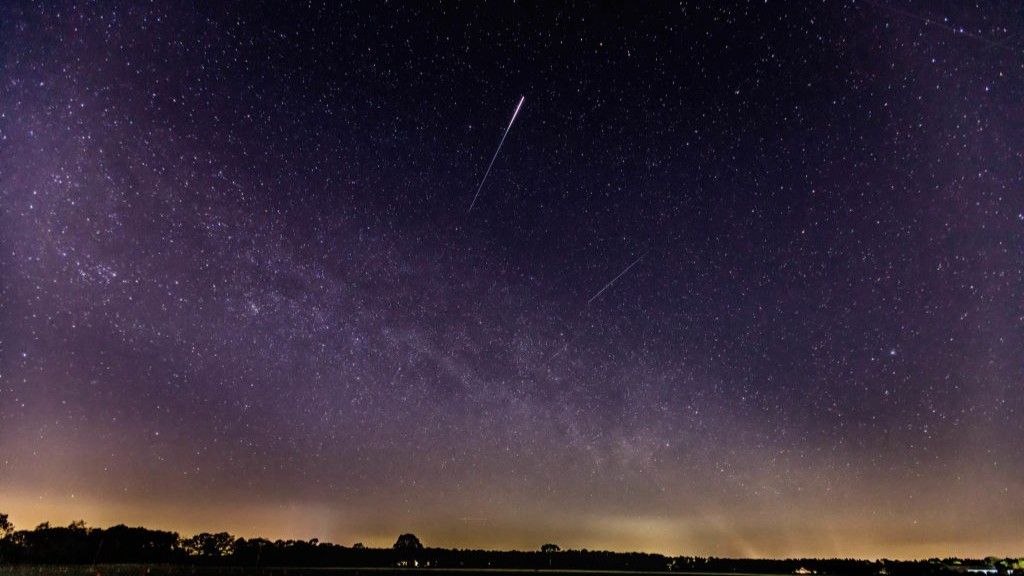
The annual Lyrid meteor shower will peak in moonless skies overnight April 21–22, 2026, offering skywatchers a good opportunity to see fast, bright meteors and occasional fireballs.
The Lyrids run April 14–30 and typically produce about 10–20 meteors per hour under ideal, dark-sky conditions; some outlets cite peak rates of 15–20 per hour.
The shower’s radiant lies in the constellation Lyra near the bright star Vega.
This year’s favourable timing — with a new moon on April 17 leaving dark pre-dawn hours for the peak — should improve visibility, especially across Northern Hemisphere latitudes.
The Lyrids originate from debris shed by Comet C/1861 G1 (Thatcher), a long‑period comet with an ~415‑year orbit.
Historical outbursts have occasionally produced much higher rates, but such spikes are rare and unpredictable.
Recommended viewing advice includes finding a dark, unobstructed site, allowing 20–30 minutes for night‑vision adaptation, facing away from city lights, and scanning wide areas of sky rather than staring at the radiant.
🔗 Based On
🕰️ The Story So Far: An Evolving Timeline
Saturday, April 18, 2026 16:55 UTC
Lyrid Meteor Shower Peaks in Moonless Skies
Wednesday, April 15, 2026 08:09 UTC
Lyrid Meteor Shower Peaks April 21–22



💬 Commentary