
📰 Full Story
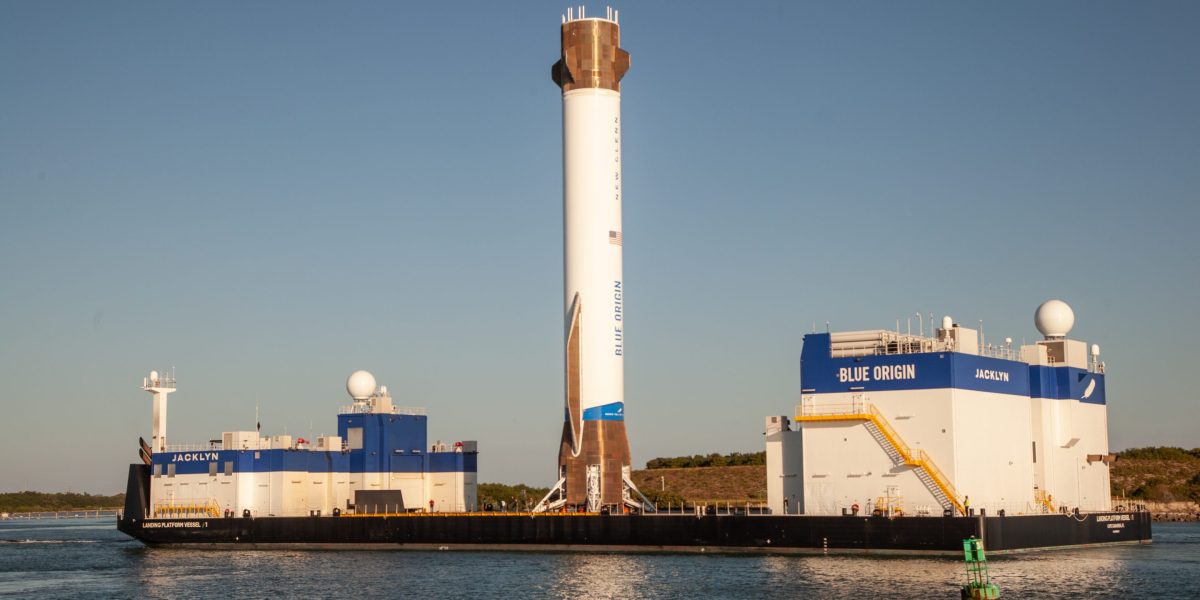
Blue Origin’s New Glenn rocket completed its third flight on April 19, 2026, marking the company’s first reuse of an orbital-class first stage.
The booster, nicknamed “Never Tell Me The Odds,” successfully landed on the company droneship Jacklyn after liftoff from Cape Canaveral, Florida, at about 7:25 a.m.
EDT. The mission carried AST SpaceMobile’s BlueBird 7 — a 2,400-square-foot direct-to-cellphone communications satellite — but the rocket’s upper stage placed the payload into an off‑nominal, lower-than-planned orbit.
AST SpaceMobile confirmed the satellite powered on but said its on‑board thrusters could not raise it to an operational altitude and that the craft will be de‑orbited; the company expects the loss to be covered by insurance and said replacement satellites are in production.
Blue Origin acknowledged the off‑nominal insertion and said it is assessing the anomaly.
The mixed outcome — a milestone for booster reuse paired with a mission‑critical upper stage failure — will prompt investigations and could influence customer confidence and launch manifest planning for both Blue Origin and its commercial partners.
🔗 Based On
TechCrunchBlue Origin’s New Glenn put a customer satellite in the wrong orbit during its third launch
France 24 - International breaking news, top stories and headlinesBlue Origin launches rocket with used booster for first time
🤝 Social Media Insights
Social Summary
Independent tracking shows the satellite in a low 154x494 km orbit, indicating a missed upper-stage burn and a perigee low enough for reentry in days–weeks. The craft powered on but cannot be salvaged by its thrusters. Insurers and reinsurers are likely to absorb the financial loss, while Blue Origin faces investigations and likely higher insurance costs and customer scrutiny.
🕰️ The Story So Far: An Evolving Timeline
Monday, April 20, 2026 01:01 UTC
Blue Origin reuses New Glenn but misplaces satellite
Friday, April 17, 2026 24:59 UTC
Blue Origin reuses New Glenn but satellite placed low





💬 Commentary