
📰 Full Story
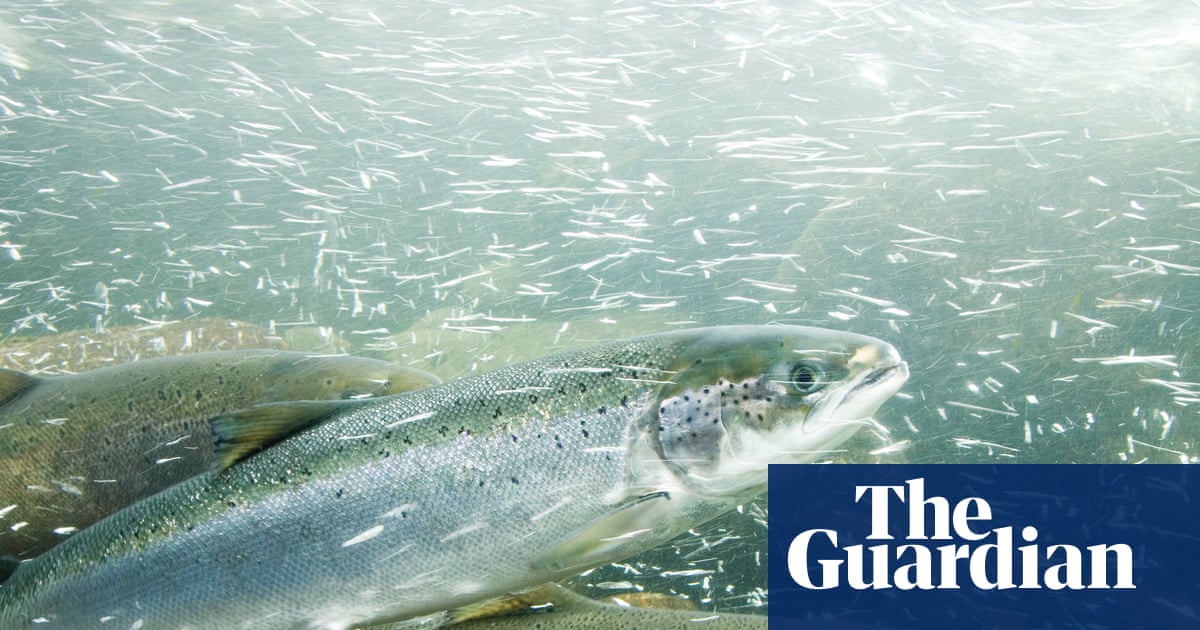
An international team led by researchers at the Swedish University of Agricultural Sciences has reported that trace levels of cocaine and its main metabolite, benzoylecgonine, change movement patterns of juvenile Atlantic salmon in the wild.
Published in Current Biology (April 2026), the field experiment fitted 105 hatchery-reared two-year-old salmon (three groups of 35) with acoustic tags and slow‑release implants delivering environmentally realistic doses of cocaine, benzoylecgonine or no drug.
Released into Lake Vättern, Sweden, the benzoylecgonine‑exposed fish swam up to 1.9 times farther per week (nearly 14 km) and dispersed roughly 12 km farther from the release site than controls; cocaine-exposed fish also showed elevated activity but to a lesser degree.
Authors warn metabolites, which often occur at higher concentrations than parent drugs in wastewater, can be biologically active.
The study raises concerns about altered energy budgets, increased predation risk and broader ecological consequences from human-derived drug pollution entering rivers and lakes via sewage overflows and inadequate wastewater treatment.





💬 Commentary