
📰 Full Story
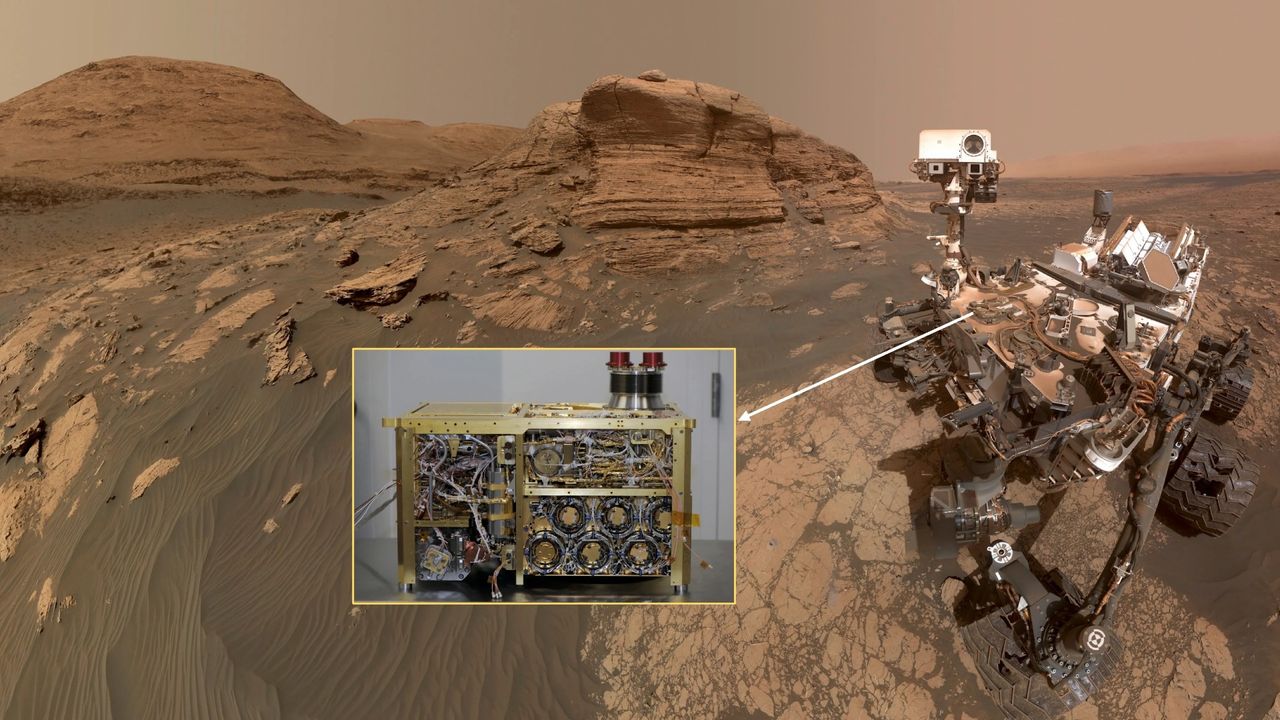
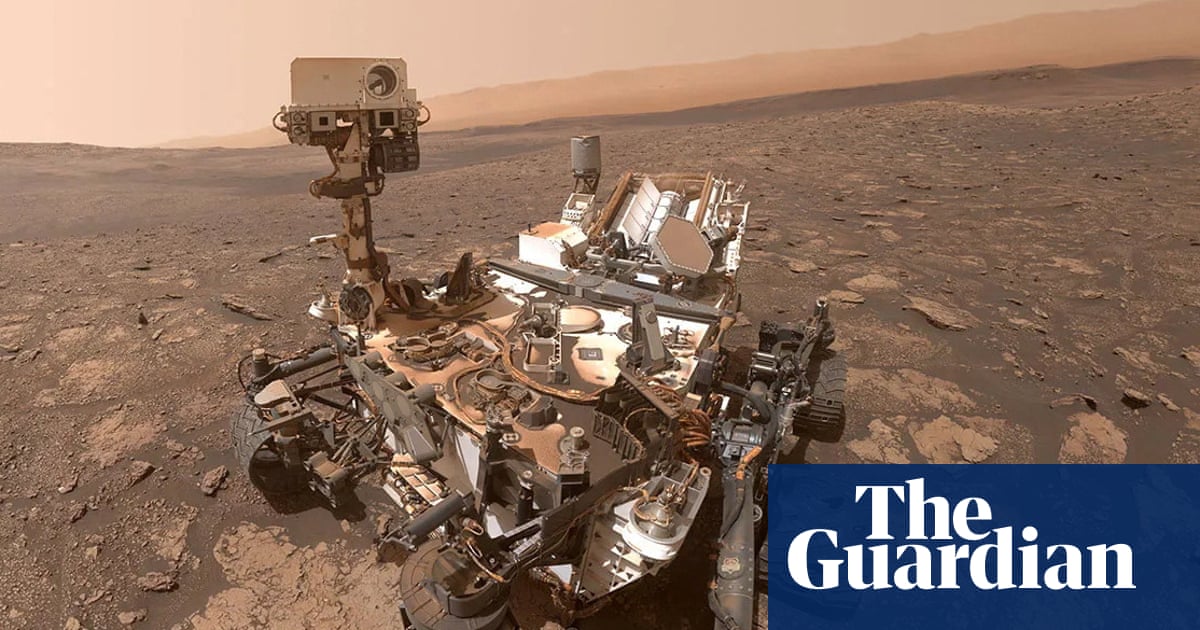
NASA’s Curiosity rover has detected a diverse suite of organic molecules in 3.5-billion-year-old rocks in Gale Crater, researchers reported on April 21, 2026.
Using a first-of-its-kind TMAH (tetramethylammonium hydroxide) thermochemolysis experiment with the rover’s Sample Analysis at Mars (SAM) instrument, scientists analysed clay‑rich sandstone from the Glen Torridon region (Knockfarrill Hill/Mary Anning drill site) and identified more than 20 organics, including nitrogen- and sulfur-bearing compounds and benzothiophene.
Five of seven newly confirmed smaller molecules had not been seen previously on Mars; one is structurally similar to precursors of DNA. Team lead Amy Williams (University of Florida) and colleagues published the results in Nature Communications.
The findings demonstrate preserved macromolecular carbon in near‑surface Martian sediments but do not constitute evidence of past life: the organics could be endogenous, produced abiotically, or delivered by meteorites.
Scientists say returning samples to Earth would be required to definitively assess biological origin.
The validated TMAH technique will inform future missions and instrument suites, including European and NASA projects, as agencies refine strategies to search for ancient biosignatures on Mars and elsewhere.




💬 Commentary