NewsDigest

NASA assesses Artemis II performance, Ames contributions

🏷️ Science & Space🌍 United States🔗 3 sources35Digest ScoreiThis score reflects the story's reliability, bias neutrality, and public momentum.
NASA assesses Artemis II performance, Ames contributions

📰 Full Story

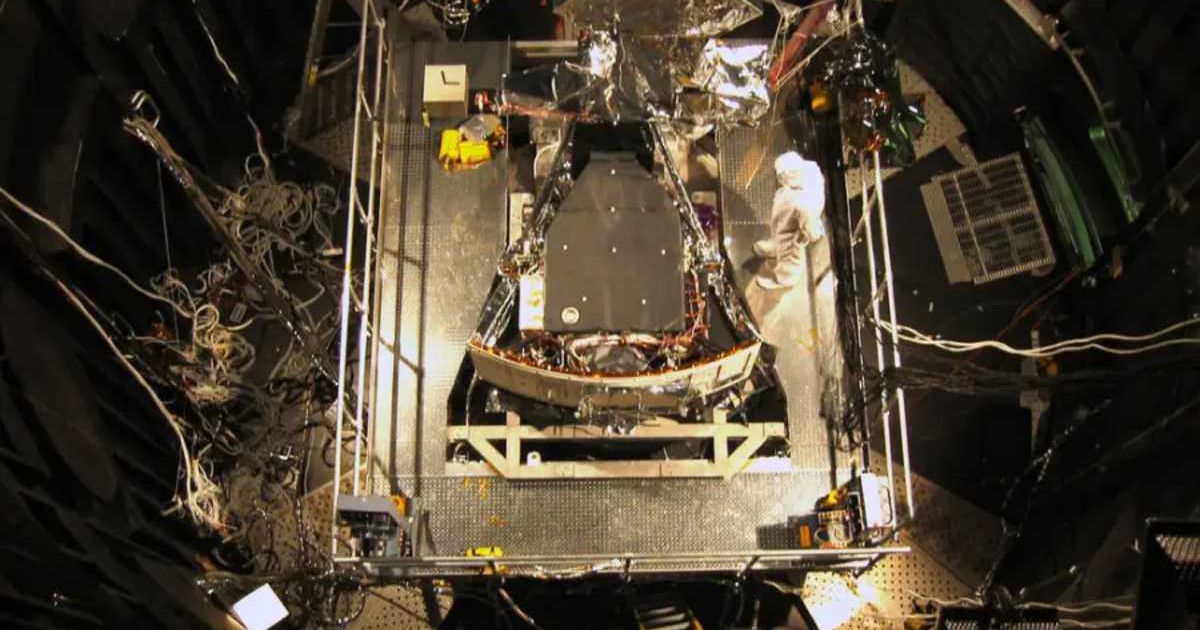
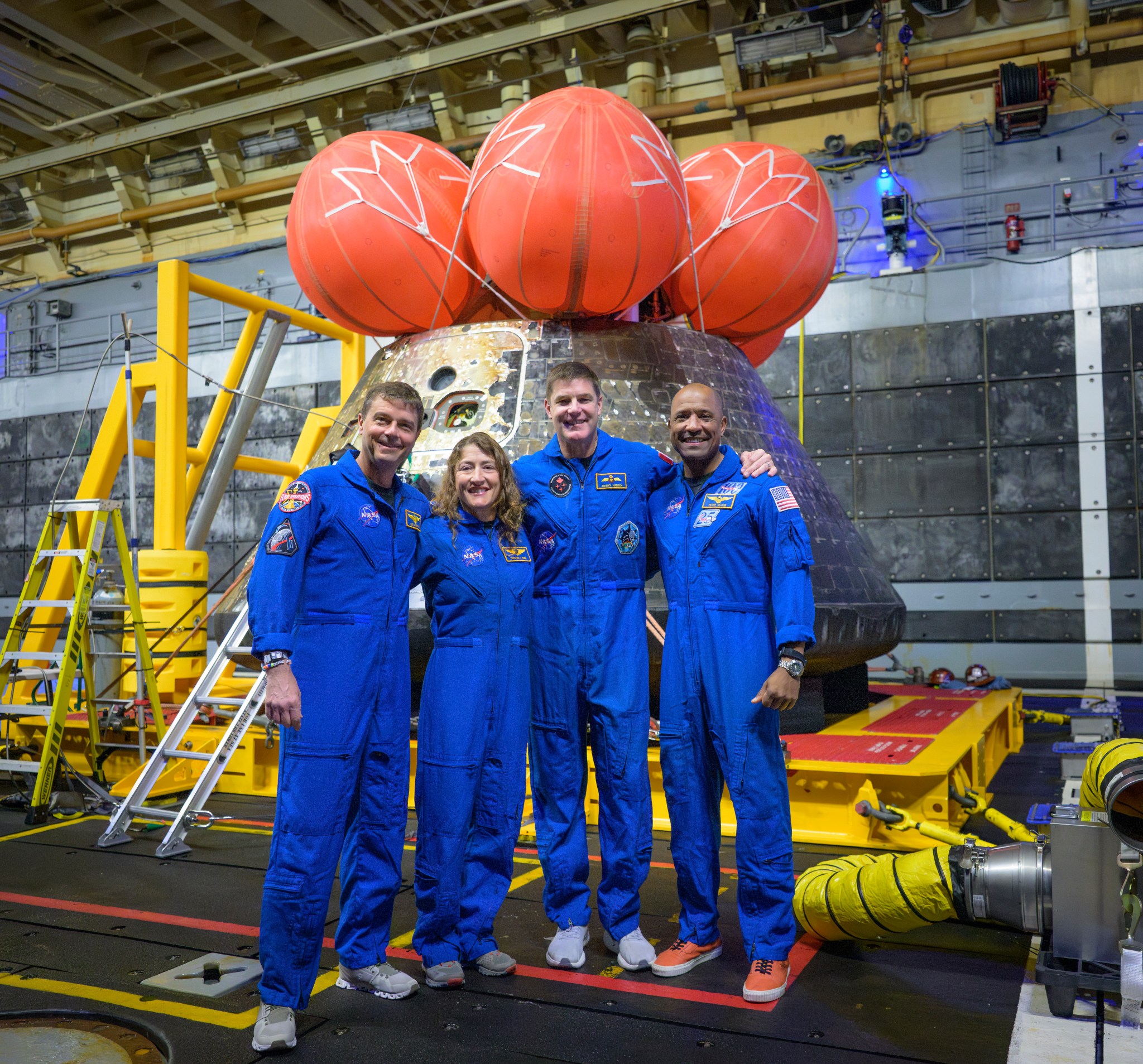
NASA’s Artemis II crewed test flight (launched April 1, 2026) completed a roughly 694,481-mile lunar flyby and splashed down off San Diego on April 10, returning four astronauts — NASA’s Reid Wiseman, Victor Glover and Christina Koch, and CSA’s Jeremy Hansen — safely to Earth. Initial post-flight assessments through April 20–21 show Orion’s thermal protection system performed as expected, with char loss markedly reduced compared with Artemis I. Diver imagery and US Navy recovery photos documented the heat shield’s condition; the crew module will be transported to Kennedy Space Center and then to Marshall Space Flight Center for detailed sample extraction and X-ray scans. NASA teams are also probing a urine vent-line clog identified during the mission. Ames Research Center in California supported the mission with aerodynamic and aerothermal modeling, onboard heat-shield sensors, 3D-MAT compression pads, wind-tunnel testing that validated SLS core-stage strakes to reduce vibration, and SBIR-driven technologies. Early reviews indicate the SLS rocket and ground systems met flight objectives; the mobile launcher has returned to the Vehicle Assembly Building for repairs and preparation for upcoming missions.
Curiosity rover finds diverse organics on Mars

🏷️ Science & Space🔥 Trending🔗 18 sources52Digest ScoreiThis score reflects the story's reliability, bias neutrality, and public momentum.
Curiosity rover finds diverse organics on Mars

📰 Full Story

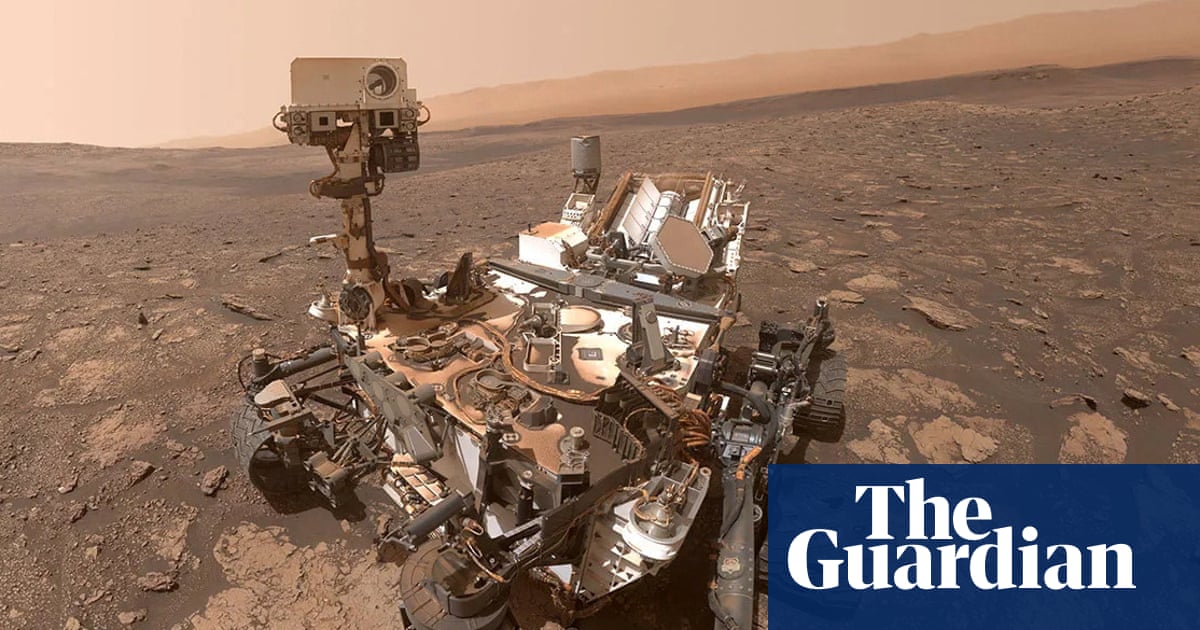
NASA’s Curiosity rover has detected the most diverse suite of organic molecules yet identified on Mars, researchers reported April 21 in Nature Communications. A rock nicknamed “Mary Anning 3,” drilled in 2020 from clay‑rich sandstones in Glen Torridon on Mount Sharp (Gale Crater), yielded 21 carbon‑containing molecules; seven had not previously been seen on Mars. Among the novel detections are a nitrogen heterocycle — a ringed molecule considered a chemical precursor to RNA/DNA — and benzothiophene, a sulfur‑bearing compound found in meteorites. The results come from the first off‑Earth use of tetramethylammonium hydroxide (TMAH) thermochemolysis in the Sample Analysis at Mars (SAM) instrument, a “wet chemistry” test that breaks macromolecular carbon into analyzable fragments. Team lead Amy Williams and colleagues verified aspects of the technique using a Murchison meteorite sample. Scientists emphasise the findings do not prove past life: the organics could be native abiotic products or delivered by meteorites. The discovery shows complex organics can survive ~3.5 billion years in Martian clays and will inform future missions and sample‑return priorities.

🤝 Social Media Insights

Social Summary
1 / 5
Lab tests suggest Earth microbes struggle in simulated Martian soil, lowering contamination concerns. The Curiosity organics likely include meteorite-derived and preserved macromolecular carbon; the find is important for chemistry and future missions but does not by itself indicate past life.

Lyrid Meteor Shower Peaks April 22, 2026

🏷️ Science & Space🔗 10 sources41Digest ScoreiThis score reflects the story's reliability, bias neutrality, and public momentum.
Lyrid Meteor Shower Peaks April 22, 2026

📰 Full Story

The Lyrid meteor shower reaches its peak in the predawn hours of April 22, 2026, offering skywatchers across both hemispheres a chance to see shooting stars from debris shed by Comet C/1861 G1 (Thatcher). The shower is active roughly April 14–25 (some outlets extend visibility to April 26), with typical rates of 10–30 meteors per hour under dark skies and commonly quoted peak estimates of 15–20 per hour. Observers should look toward the constellation Lyra (near the bright star Vega) but scan away from the radiant to catch longer, brighter streaks. Lunar conditions this year are favorable — a slim crescent moon or moonset near midnight reduces light interference — and many outlets recommend watching after midnight into the early morning, allowing 20–30 minutes for night-vision adaptation. For those impeded by clouds or light pollution, multiple free global livestreams (Mauna Kea, Atacama, Maine, Mount Fuji, U.K. sites) will broadcast the event. Note: the Eta Aquariids, fed by Halley’s Comet, will follow in May and may overlap marginally for some viewers.

Resilient NASA-cleanroom Fungus Could Survive Trip to Mars

🏷️ Science & Space🌍 United States🔗 3 sources36Digest ScoreiThis score reflects the story's reliability, bias neutrality, and public momentum.
Resilient NASA-cleanroom Fungus Could Survive Trip to Mars

📰 Full Story

Researchers at NASA’s Jet Propulsion Laboratory report that fungal spores recovered from spacecraft assembly cleanrooms can survive a suite of simulated space and Martian conditions, raising fresh concerns about forward contamination. In experiments reported in Applied and Environmental Microbiology (April 2026), scientists collected 27 fungal strains from facilities used in the Mars 2020 program and exposed their asexual spores (conidia) to intense ultraviolet radiation, months-long ionizing radiation doses, low pressure, Mars-like regolith, and extreme cold. Most strains survived UV exposure; one species, Aspergillus calidoustus, withstood UV, prolonged ionizing radiation and low-pressure, low-temperature conditions that mimic a mission to Mars. Only prolonged exposure to a combination of very high radiation and extreme cold reliably killed it. The team, led by Kasthuri Venkateswaran of JPL, says the findings do not prove Mars contamination will occur but highlight fungi as an underappreciated gap in planetary protection protocols. The results also note potential human-health implications for astronaut safety and call for updated sterilisation and monitoring standards for future robotic and crewed missions.

Canada introduces bill to enable domestic space launches

🏷️ Science & Space🌍 Canada🔗 3 sources29Digest ScoreiThis score reflects the story's reliability, bias neutrality, and public momentum.
Canada introduces bill to enable domestic space launches

📰 Full Story

On April 21, 2026, Transport Minister Steven MacKinnon introduced the Canadian Space Launch Act (C-28) in the House of Commons to authorize, regulate and oversee launches and re-entries from Canadian soil. The proposed law would create the first domestic regulatory framework covering commercial and military launches, amend statutes including the Aeronautics Act and Canada Transportation Act, and establish safety, security, insurance and indemnification requirements. Ottawa says the move follows funding measures in last year’s budget (including capital for a Nova Scotia spaceport) and recent momentum from NASA’s Artemis II mission featuring Canadian astronaut Jeremy Hansen. Government officials argue Canada — the only G7 country without sovereign launch capability — must reduce reliance on foreign providers to retain investment, cut delays and secure critical infrastructure. Industry players such as Maritime Launch Services (Spaceport Nova Scotia) and NordSpace are developing facilities, and Defence’s Launch the North grants have supported domestic launcher development. The bill is framed as a step to grow a potentially large commercial sector while addressing aviation and maritime safety, environmental and national-security concerns.
Explore more on NewsDigest