
📰 Full Story
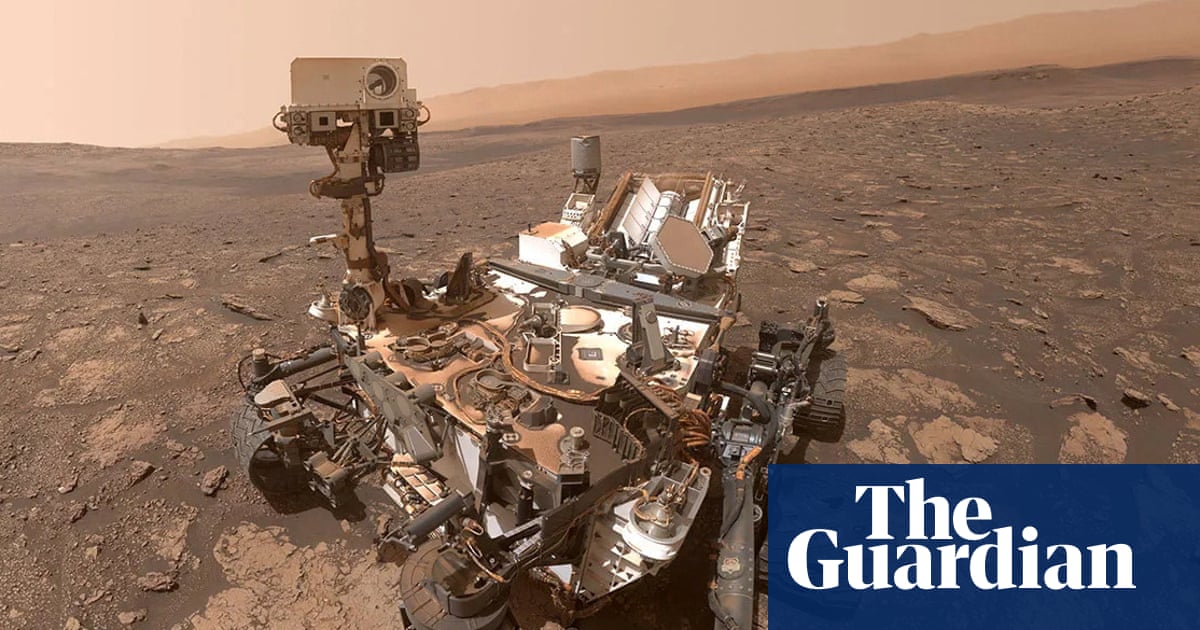
NASA’s Curiosity rover has detected the most diverse suite of organic molecules yet identified on Mars, researchers reported April 21 in Nature Communications.
A rock nicknamed “Mary Anning 3,” drilled in 2020 from clay‑rich sandstones in Glen Torridon on Mount Sharp (Gale Crater), yielded 21 carbon‑containing molecules; seven had not previously been seen on Mars.
Among the novel detections are a nitrogen heterocycle — a ringed molecule considered a chemical precursor to RNA/DNA — and benzothiophene, a sulfur‑bearing compound found in meteorites.
The results come from the first off‑Earth use of tetramethylammonium hydroxide (TMAH) thermochemolysis in the Sample Analysis at Mars (SAM) instrument, a “wet chemistry” test that breaks macromolecular carbon into analyzable fragments.
Team lead Amy Williams and colleagues verified aspects of the technique using a Murchison meteorite sample.
Scientists emphasise the findings do not prove past life: the organics could be native abiotic products or delivered by meteorites.
The discovery shows complex organics can survive ~3.5 billion years in Martian clays and will inform future missions and sample‑return priorities.
🔗 Based On
🤝 Social Media Insights
Social Summary
Lab tests suggest Earth microbes struggle in simulated Martian soil, lowering contamination concerns. The Curiosity organics likely include meteorite-derived and preserved macromolecular carbon; the find is important for chemistry and future missions but does not by itself indicate past life.
🕰️ The Story So Far: An Evolving Timeline
Wednesday, April 22, 2026 24:15 UTC
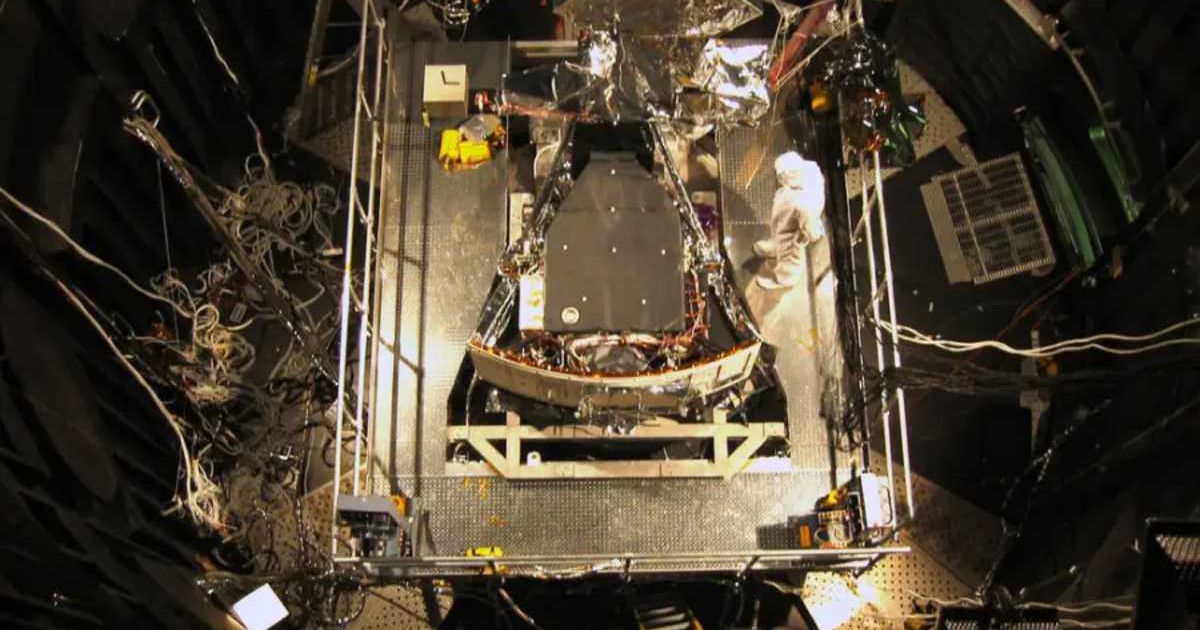
Resilient NASA-cleanroom Fungus Could Survive Trip to Mars
Tuesday, April 21, 2026 11:29 UTC
Curiosity rover finds diverse organics on Mars




💬 Commentary