
📰 Full Story
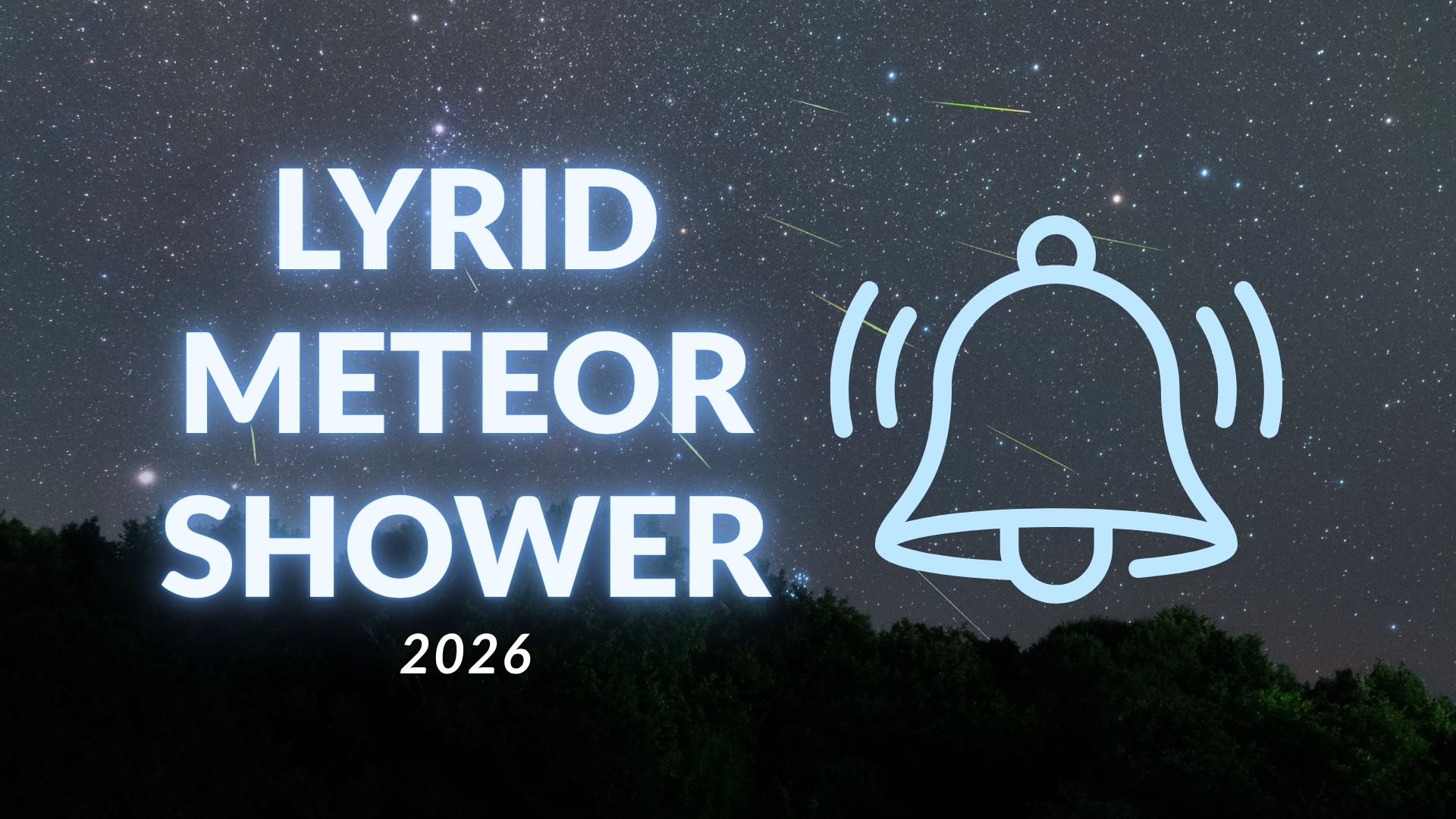
The annual Lyrid meteor shower, produced by debris from Comet C/1861 G1 (Thatcher), reached its 2026 peak overnight April 21–22, with activity visible across much of the globe.
The shower is active roughly April 16–25; under dark, clear skies observers can expect roughly 10–20 meteors per hour near peak, though short-lived surges or historic outbursts can briefly boost rates to as many as 100 per hour.
This year’s viewing was aided by a thin waxing crescent moon that set early, reducing skyglow in many locations.
Best viewing is during the predawn hours when the constellation Lyra (near the star Vega) is highest; experts advise finding a dark site, allowing 20–30 minutes for eye adaptation, lying back to scan a wide field and avoiding binoculars or telescopes.
For those clouded out or in urban areas, multiple high-quality livestreams (from locations such as Mauna Kea, Atacama, Embleton and Mount Fuji) and real‑time tools like the Global Meteor Network provided remote viewing and fireball alerts.
Comet Thatcher’s 415-year orbit means the comet itself won’t return until centuries from now, while its dust continues to produce this reliable spring spectacle.
🔗 Based On
🕰️ The Story So Far: An Evolving Timeline
Tuesday, April 21, 2026 22:42 UTC
Lyrid Meteor Shower Peaks April 22, 2026
Saturday, April 18, 2026 16:55 UTC
Lyrid Meteor Shower Peaks April 22, 2026




💬 Commentary