
📰 Full Story
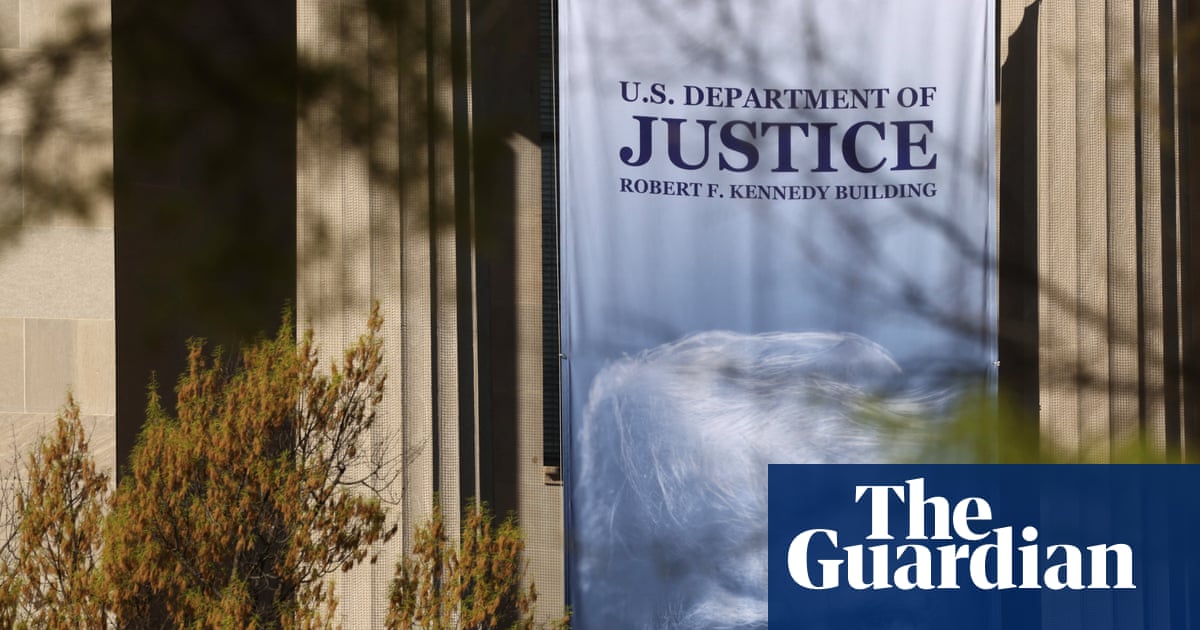
The U.S. Department of Justice on April 24, 2026 released a report directing the Bureau of Prisons to readopt the lethal-injection protocol used during President Trump’s first term, reauthorize pentobarbital and expand federal execution options to include firing squads, electrocution and gas asphyxiation.
Acting Attorney General Todd Blanche said the moves restore the department’s duty to pursue lawful capital sentences and ordered steps to streamline internal review to expedite death-penalty cases.
The report cites difficulties obtaining lethal-injection drugs from manufacturers and points to methods already allowed by some states, including nitrogen gas and firing squads.
The Justice Department has authorized seeking death sentences against dozens of defendants; President Biden’s 2025 commutations left three inmates on federal death row.
Officials note legal challenges are likely: condemned prisoners can mount Eighth Amendment “cruel and unusual punishment” claims, and the Supreme Court has historically been reluctant to declare execution methods unconstitutional.
Advocacy groups, medical experts and religious leaders have already criticized the policy shift.
The administration also signaled potential rule changes to limit clemency petitions and streamline federal habeas review in capital cases.
🔗 Based On
🤝 Social Media Insights
Social Summary
The discussion highlights two practical drivers of the policy change: medical refusal to participate in lethal injections and drug shortages, and the perception that firing squads reduce botch risk but transfer visible culpability to human shooters. Both factors suggest intensified legal challenges and heightened public and political conflict.




💬 Commentary