NewsDigestFollow

Brain implants move from sci-fi to reality

🏷️ Tech News🔗 3 sources28Digest ScoreiThis score reflects the story's reliability, bias neutrality, and public momentum.
Brain implants move from sci-fi to reality

📰 Full Story

Researchers and startups are advancing brain-computer interfaces (BCIs) from experimental aids toward potential commercial products as rapid improvements in hardware and AI decoding accelerate progress. Hundreds of people have received implants that can restore limited functions — moving a cursor, operating robotic arms or transcribing inner speech — and a small number of companies have moved beyond trials to limited regulatory approvals. Techniques vary from electrodes that penetrate or sit on the brain to non‑invasive headgear, ultrasound systems and emergent “biohybrid” neuron-based bridges. Firms and investors including Elon Musk, Sam Altman and other technology billionaires are funding ventures such as Merge Labs, Nudge and China’s Gestala, while startups explore wireless devices for smart‑home control and communication restoration for paralysis, blindness and hearing loss. Clinical applications overlap with long‑standing neurostimulation therapies like deep brain stimulation, but BCIs aim for higher-fidelity read/write neural function. Despite breakthroughs in speech decoding and signal interpretation, the field remains nascent with limited patient numbers and substantial technical, regulatory and safety hurdles before broader consumer use.

Retailers Roll Out Major Memorial Day Tech Deals

🏷️ Tech News🌍 United States🔗 24 sources71Digest ScoreiThis score reflects the story's reliability, bias neutrality, and public momentum.
Retailers Roll Out Major Memorial Day Tech Deals

📰 Full Story

Major U.S. retailers and online outlets launched wide-ranging Memorial Day discounts on consumer electronics and outdoor gear over the May 22-25 holiday weekend, with deals tracked by CNET and ZDNET. Highlights include Apple AirPods Pro 3 at about $199, Hisense 65-inch U7 QLED TVs around $950, hefty markdowns on premium headphones from Apple, Sony and Bose, and portable power stations (Anker, Jackery) discounted up to 50%. Laptop and tablet offers span Apple’s new M5 MacBook Air (~$1,099 after discount) and M5 iPad Pro, while phone deals include Samsung Galaxy and Google models and refurbished iPhone 17 Pro Max listings. Retailers promoting sales include Amazon, Best Buy, Walmart, Target, B&H and direct brand stores; promotions also feature SSDs, robot mowers, grills and travel gadgets. Publications noted top-selling items among readers — small accessories, SSDs and power banks — and emphasized limited-time pricing and bundle incentives such as Samsung BOGO monitor offers.

Huawei unveils Tau Scaling Law, aims 1.4nm chips

🏷️ Tech News🌍 China🔥 Trending🔗 15 sources54Digest ScoreiThis score reflects the story's reliability, bias neutrality, and public momentum.
Huawei unveils Tau Scaling Law, aims 1.4nm chips

📰 Full Story

Huawei on May 25, 2026 unveiled a new semiconductor design principle, the “Tau (τ) Scaling Law”, and an associated LogicFolding architecture, saying the approach shifts emphasis from shrinking transistors to reducing signal-propagation time across circuits and systems. He Tingbo, president of Huawei’s semiconductor arm and a long-time company executive, presented the plan at the IEEE ISCAS symposium in Shanghai. Huawei said it has spent six years developing the approach, has designed and mass-produced 381 chips using related techniques, and will adopt LogicFolding in Kirin smartphone chips shipping in autumn 2026. The company projects designs equivalent to 1.4‑nanometre transistor density by 2031 without access to extreme ultraviolet (EUV) lithography from ASML, a capability blocked by U.S. export controls. Huawei provided no independent performance or yield data; analysts noted short-term gains in Shanghai chip stocks but warned of thermal, packaging and manufacturability challenges when scaling to AI datacenters. The announcement underscores Beijing’s push for semiconductor self-reliance amid sustained U.S. export restrictions.

Waymo Pauses Robotaxi Service After Flooding Incidents

🏷️ Tech News🌍 United States🔗 4 sources30Digest ScoreiThis score reflects the story's reliability, bias neutrality, and public momentum.
Waymo Pauses Robotaxi Service After Flooding Incidents

📰 Full Story

Alphabet-owned Waymo has temporarily suspended robotaxi operations in multiple US cities and halted freeway rides after software shortcomings sent autonomous vehicles into flood-prone roads. The company paused rider service this week in Atlanta, Nashville and several Texas metros including San Antonio, Austin, Dallas and Houston following heavy rains and an incident in which an unoccupied car became trapped in rising water. Waymo earlier this month filed a report with the National Highway Traffic Safety Administration and recalled nearly 3,800 vehicles after a separate April 20 event in San Antonio where a robotaxi drove through a flooded roadway. The firm says it has implemented mitigations — such as restricting access to areas at risk of flash flooding — and is developing a software remedy while ‘‘integrating recent technical learnings’’ before restoring freeway and city operations. The disruptions add to regulatory and public scrutiny after earlier safety episodes and a February congressional review of the company’s practices.

Anthropic co-founder urges outside oversight for AI

🏷️ Tech News🌍 Vatican City🔗 3 sources28Digest ScoreiThis score reflects the story's reliability, bias neutrality, and public momentum.
Anthropic co-founder urges outside oversight for AI

📰 Full Story

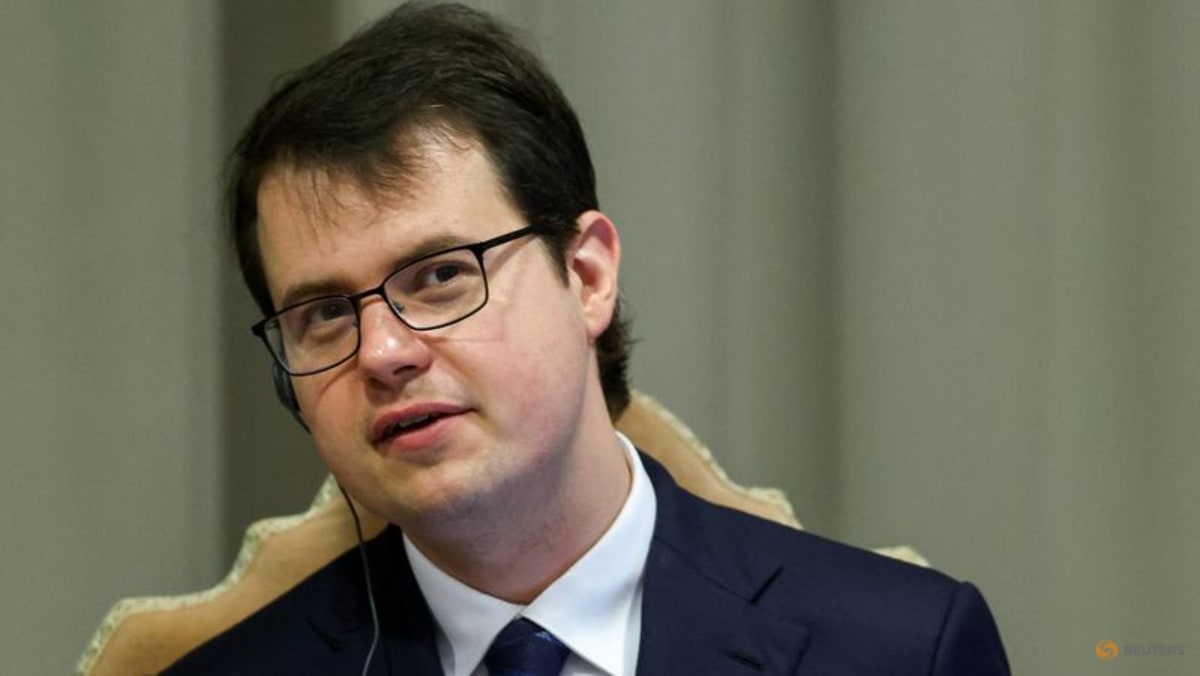
At the formal Vatican launch of Pope Leo XIV’s first encyclical on artificial intelligence, Magnifica humanitas, Anthropic co-founder Christopher Olah on May 25, 2026, warned that development of frontier AI cannot be left solely to technology companies. Speaking from the Vatican Synod Hall alongside the pope, Olah argued that frontier AI labs operate under commercial, geopolitical and personal pressures that can conflict with the broader public interest and said outside scrutiny from religious leaders, governments and civil society is essential. He also warned of a “real possibility” that AI could displace human labour at very large scale and called for moral support for those affected. Olah, who leads Anthropic’s interpretability research, pointed to unsettling model behaviours that sometimes mirror human-like internal states. His remarks come amid heightened scrutiny of Anthropic — including a U.S. defence split with the company and reported fundraising talks — and mark a rare public acknowledgement from a frontier‑lab founder that the technology they build may outpace labour-market adjustment.

China assigns digital IDs to humanoid robots

🏷️ Tech News🌍 China🔗 3 sources27Digest ScoreiThis score reflects the story's reliability, bias neutrality, and public momentum.
China assigns digital IDs to humanoid robots

📰 Full Story

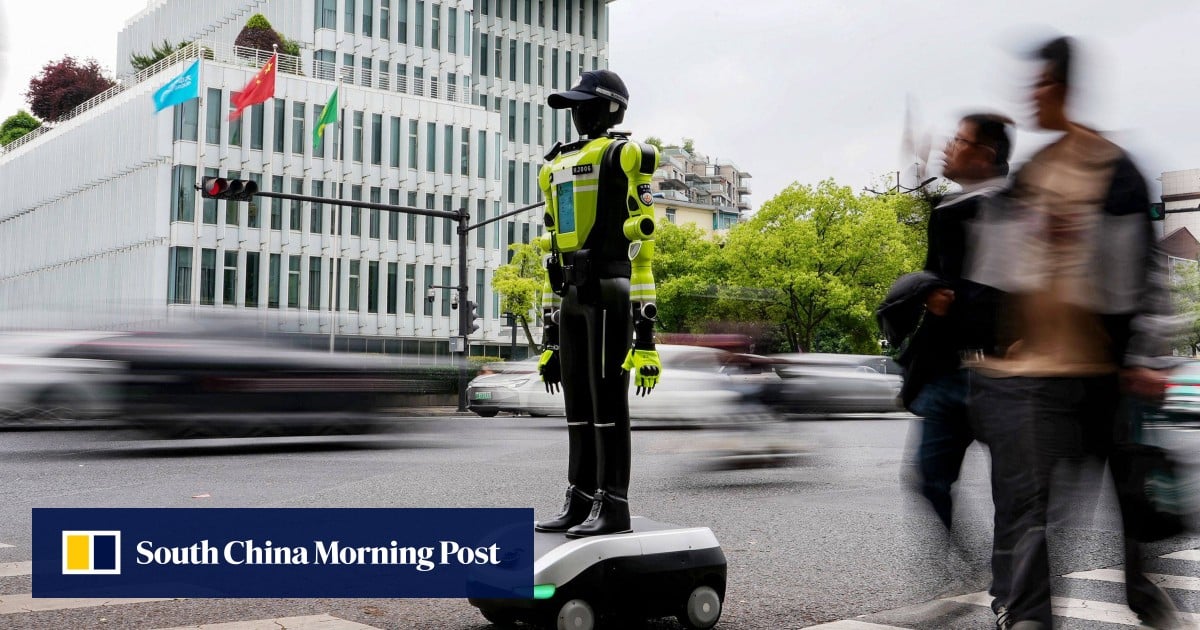
China on May 25, 2026 launched a national system to assign every bipedal humanoid robot a unique digital identifier, the Humanoid Full Lifecycle Management Service Platform, led by the Humanoid Robotics and Embodied Intelligence Standardization committee under the Ministry of Industry and Information Technology. The 29-character code is structured to record a two-digit national code, a four-digit manufacturer code, a six-digit product model code and a 17-digit serial number, and is designed to track units from production through deployment, maintenance and recycling. The platform will log hardware specifications, software and AI training history, maintenance records and real-time performance metrics such as joint wear and battery status. Authorities say the guidelines apply to manufacturers, service providers, sellers, end users and recycling facilities and aim to improve safety, oversight and industry accountability as China’s humanoid sector — with more than 100 manufacturers and some 28,000 robots already assigned IDs across about 200 models — scales rapidly.
Explore more on NewsDigest