
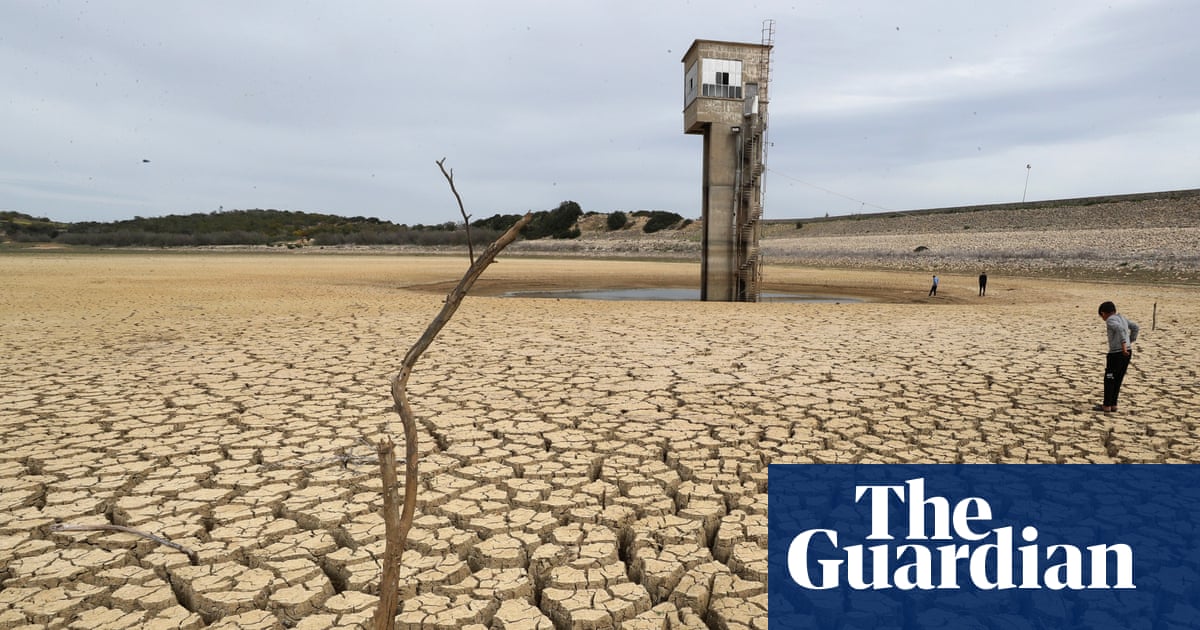
📰 Full Story
A study led by the University of Exeter in partnership with think‑tank Carbon Tracker, published 5 February 2026, warns that conventional economic models systematically understate the financial risks from accelerating climate change.
Drawing on expert judgement from roughly 60–70 climate scientists across about a dozen countries, the analysis concludes that warming beyond 2°C would more likely produce cascading, structural and compounding shocks — through extreme weather, tipping points and simultaneous sectoral failures — than the gradual, GDP‑linked losses captured by standard models.
The report highlights that commonly used metrics such as GDP can mask true societal costs (deaths, ill health, ecosystem loss) and warns that combinations of extreme events could trigger systemic disruption severe enough to threaten global financial stability.
It urges regulators, central banks and investors to focus on extreme scenarios and systemic vulnerability, accelerate stress‑testing and precautionary measures, and to speed a move away from fossil‑fuel exposure rather than await ‘perfect’ models.


















💬 Commentary