
📰 Full Story
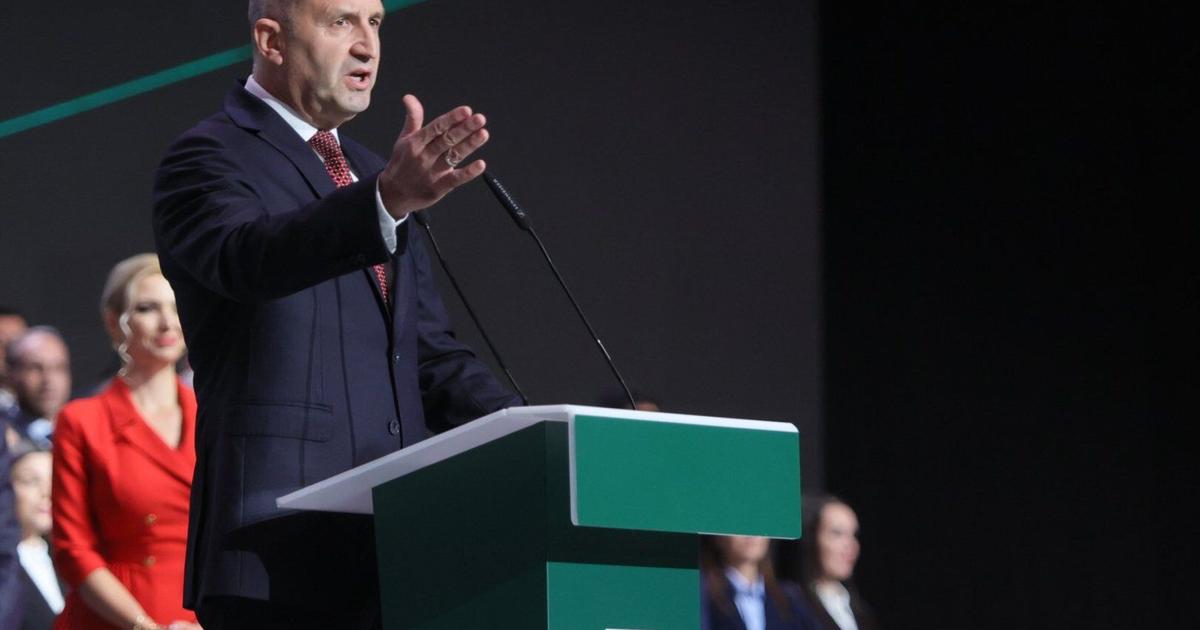
Bulgaria holds a snap parliamentary election on April 19, 2026, after the December 2025 collapse of the government amid mass anti-corruption protests.
Former president Rumen Radev, who resigned in January to lead a new coalition called Progressive Bulgaria, is running well ahead in polls, taking about 33–34% support versus roughly 19–21% for the centre-right GERB alliance led by Boyko Borissov.
Radev’s campaign centres on fighting “oligarchic” corruption and poverty, but his record of opposing military aid to Ukraine and appearing sympathetic to Russia has alarmed some EU and NATO partners.
Bulgaria entered the eurozone and Schengen earlier this year (Jan. 1), yet chronic political fragmentation — eight elections in five years — has left reform slow and public trust low.
Analysts say Radev is likely to top the vote but will need partners to form a government; possible allies include pro‑Western groups that may clash with his foreign‑policy stance.
Authorities have also moved to curb vote‑buying ahead of the election; turnout is expected to rise from recent lows to above 50%, making the outcome pivotal for Sofia’s domestic and international trajectory.


💬 Commentary