
📰 Full Story
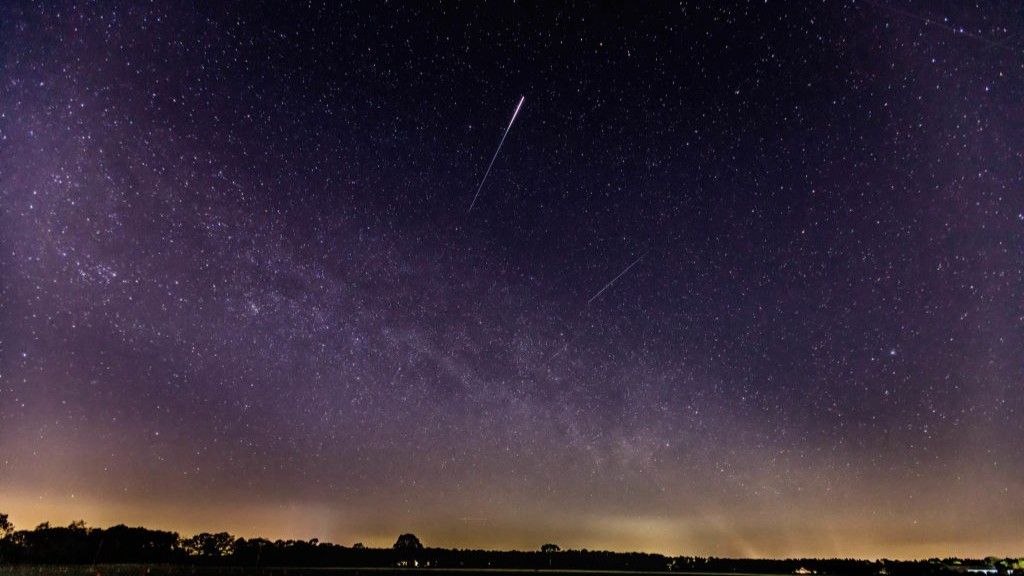
The annual Lyrid meteor shower is active in mid-April and will reach its 2026 peak on the night of April 21 into the early hours of April 22, when observers in the Northern Hemisphere may see between about 10 and 18 meteors per hour under dark skies.
The shower, generated by debris from long‑period Comet C/1861 G1 (Thatcher), is known for fast, bright meteors and occasional fireballs; historical surges have produced far higher rates but are rare.
Viewing is best after midnight and into predawn when the constellation Lyra and bright star Vega are high; the waxing moon this year is expected to be only partially illuminated, reducing light pollution for much of the peak.
The Lyrids are visible from mid‑April (commonly reported as roughly April 16–25) and can be seen without optical aid — lie back, allow 20–30 minutes for eyes to adapt to the dark, and look away from the shower’s radiant for longer trails.
The event offers opportunities for photography and for amateur observations that can support professional meteoroid monitoring.
🔗 Based On
🕰️ The Story So Far: An Evolving Timeline
Saturday, April 18, 2026 16:55 UTC
Lyrid Meteor Shower Peaks in Moonless Skies
Wednesday, April 15, 2026 08:09 UTC
Lyrid Meteor Shower Peaks April 21–22



💬 Commentary