
📰 Full Story
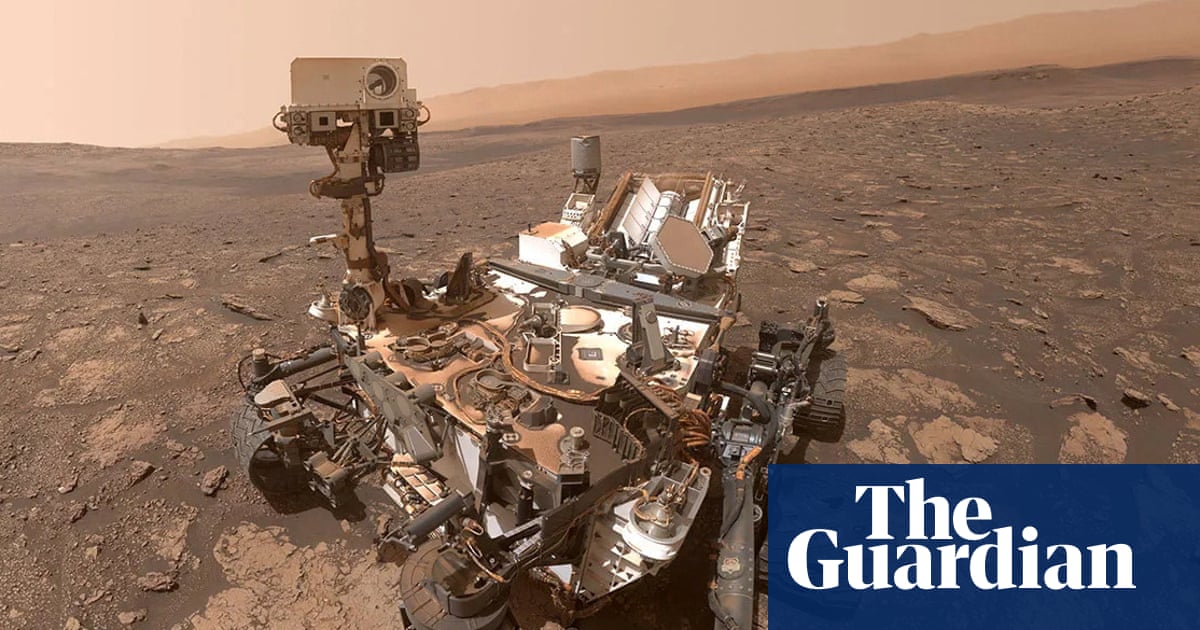
NASA’s Curiosity rover has detected a diverse suite of organic molecules on Mars after running a chemistry experiment never before performed beyond Earth, researchers reported April 21, 2026 in Nature Communications.
The Sample Analysis at Mars (SAM) instrument used tetramethylammonium hydroxide (TMAH) thermochemolysis on clay-rich sandstones in the Glen Torridon region of Gale Crater, recovering more than 20 organic compounds from roughly 3.5-billion-year-old sedimentary rocks.
Confirmed detections include benzothiophene and a nitrogen-bearing molecule whose structure resembles precursors to DNA. The team, led by Amy Williams of the University of Florida, says the results demonstrate preservation of macromolecular carbon in near-surface Martian rocks but cannot distinguish whether the organics are native, formed abiotically, or were delivered by meteorites.
Curiosity carried only two TMAH doses, making the 2020 experiment high-stakes; findings validate the technique for future missions and underscore the need for returned samples or deeper drilling to resolve biological versus non-biological origins.




💬 Commentary