NewsDigest

NASA unveils Nancy Grace Roman Space Telescope

🏷️ Science & Space🌍 United States🔗 4 sources40Digest ScoreiThis score reflects the story's reliability, bias neutrality, and public momentum.
NASA unveils Nancy Grace Roman Space Telescope

📰 Full Story

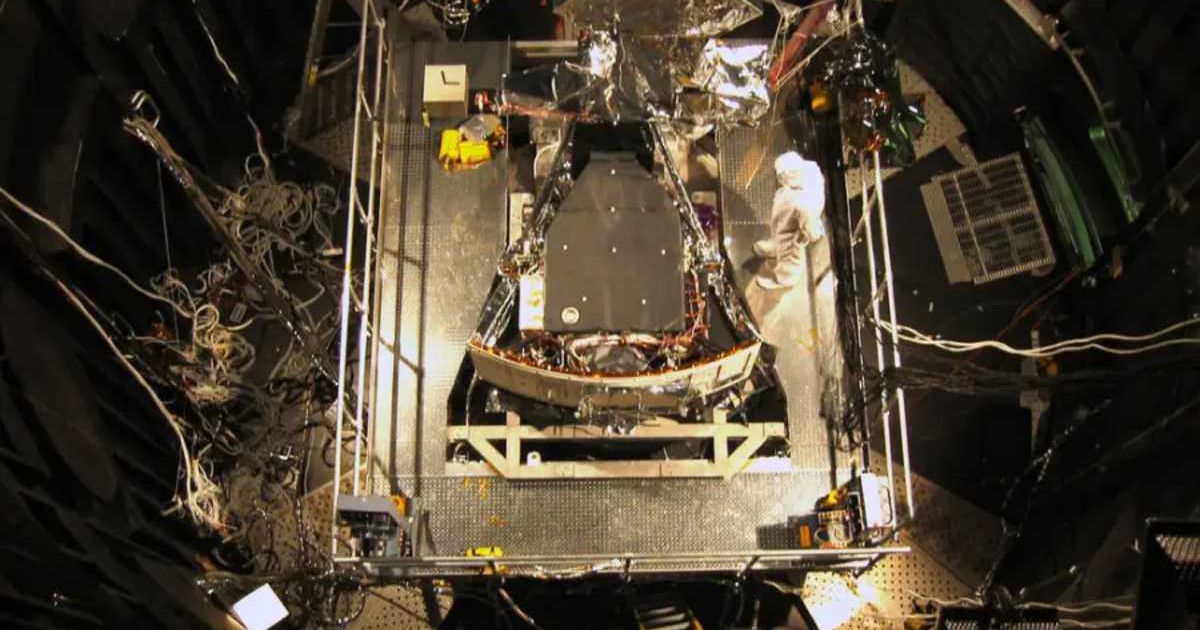
NASA on April 21–22 unveiled and declared complete the Nancy Grace Roman Space Telescope at Goddard Space Flight Center in Greenbelt, Maryland. The 2.4‑metre mirror observatory, named for NASA’s first chief astronomer, is a wide-field visible-to-near‑infrared survey telescope built at a cost of more than $4 billion and slated for launch aboard a SpaceX Falcon Heavy as early as September 2026. Roman’s Wide Field Instrument (a 300‑megapixel imager with a slitless spectrometer) will capture sky patches about 100 times larger than Hubble’s and is optimized for fast, panoramic surveys — hunting exoplanets via microlensing, thousands of supernovae, billions of galaxies and mapping dark matter and dark energy. NASA and partners say the mission will generate terabytes of data daily (briefings have cited figures such as 11 TB/day and hundreds of terabytes per year), complementing JWST, Euclid and the Vera Rubin Observatory and enabling rapid follow-up science.

NASA unveils Nancy Grace Roman space telescope

🏷️ Science & Space🌍 United States🔥 Trending🔗 5 sources37Digest ScoreiThis score reflects the story's reliability, bias neutrality, and public momentum.
NASA unveils Nancy Grace Roman space telescope

📰 Full Story

NASA this week unveiled and declared complete the Nancy Grace Roman Space Telescope at Goddard Space Flight Center, marking a major new survey observatory for astronomy. Built over more than a decade at a cost above $4 billion and named for NASA’s first chief astronomer, Roman features a 2.4-metre primary mirror similar to Hubble’s but a field of view roughly 100 times larger. Its Wide Field Instrument (a 300‑megapixel visible-to-near-infrared camera with a slitless spectrometer) will conduct large-scale surveys to map billions of galaxies, probe dark matter and dark energy, and carry out a Galactic Bulge time-domain survey to find exoplanets via gravitational microlensing. NASA says Roman will generate very large data volumes — hundreds to thousands of terabytes per year — and will be shipped to Kennedy Space Center ahead of a launch as soon as September 2026 (with a launch window extending into 2027) aboard a SpaceX Falcon Heavy. Roman is intended to work in concert with JWST, ESA’s Euclid and the Vera Rubin Observatory, enabling broad, complementary science and target selection for follow-up missions.

Judge Blocks Trump Actions Curtailing Renewables

🏷️ Science & Space🌍 United States🔗 5 sources37Digest ScoreiThis score reflects the story's reliability, bias neutrality, and public momentum.
Judge Blocks Trump Actions Curtailing Renewables

📰 Full Story

A federal judge on April 21 issued a preliminary injunction blocking a suite of Trump administration permitting policies that renewable energy groups say have stymied new wind and solar projects across the United States. Chief U.S. District Judge Denise J. Casper found the Interior Department and other agencies likely acted unlawfully by adopting measures — including a memorandum requiring elevated three‑appointee signoffs for nearly every step of wind and solar permitting, stricter interpretations of offshore authorities, a sector‑wide permit freeze and rules disadvantaging “capacity dense” projects — that prompted developers to cancel or delay projects. The injunction, sought by nine regional industry associations including RENEW Northeast, Alliance for Clean Energy New York, the Southern Renewable Energy Association and Interwest, applies to members of those groups while litigation proceeds. The Interior Department declined to comment on the case. The ruling follows several recent judicial setbacks to the administration’s attempts to curb offshore wind and comes as the White House has pushed fossil fuel production and used measures such as the Defense Production Act to support oil, coal and gas.

Lyrid Meteor Shower Peaks April 22, 2026

🏷️ Science & Space🔥 Trending🔗 12 sources30Digest ScoreiThis score reflects the story's reliability, bias neutrality, and public momentum.
Lyrid Meteor Shower Peaks April 22, 2026

📰 Full Story

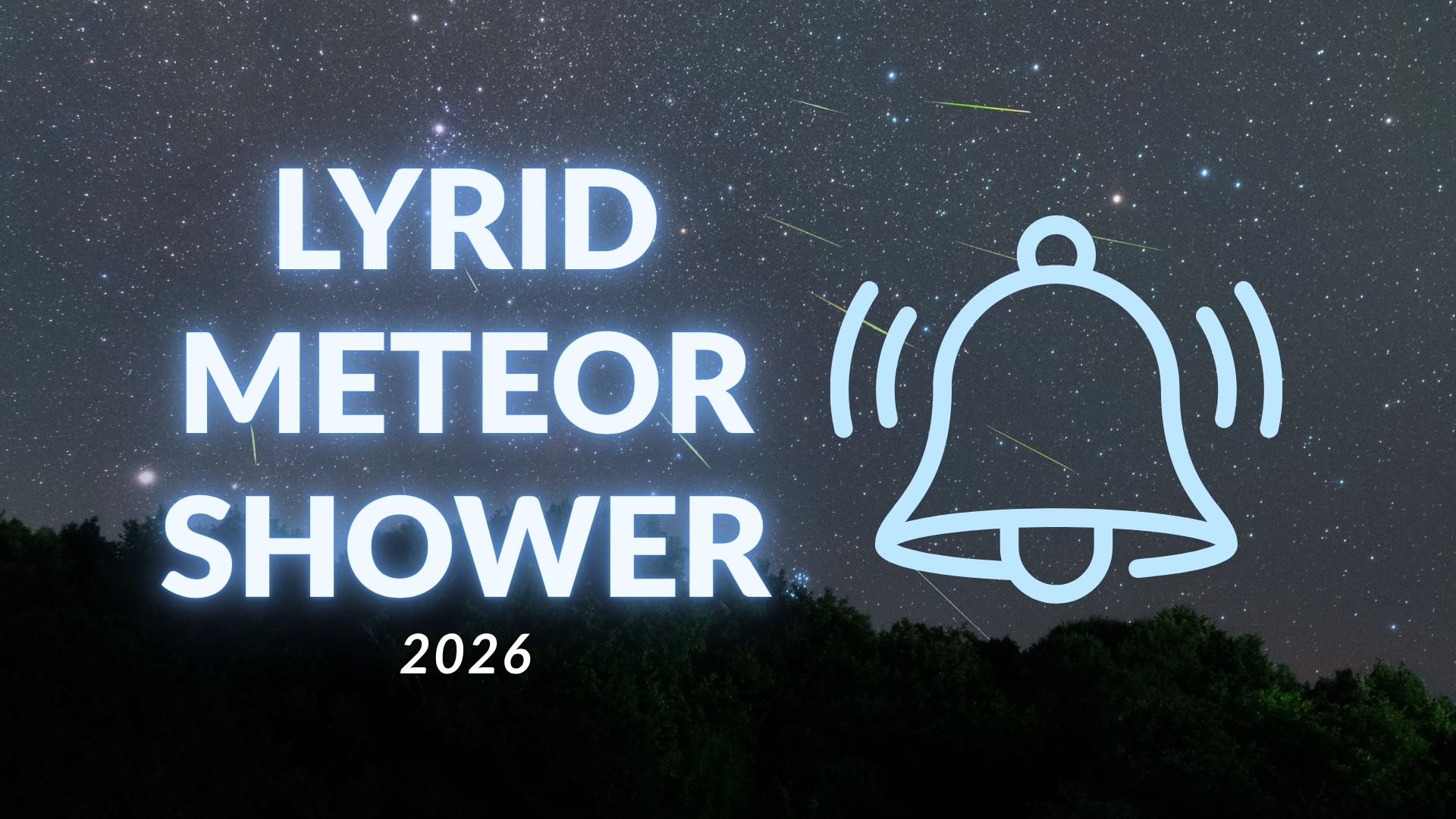
The annual Lyrid meteor shower, produced by debris from Comet C/1861 G1 (Thatcher), reached its 2026 peak overnight April 21–22, with activity visible across much of the globe. The shower is active roughly April 16–25; under dark, clear skies observers can expect roughly 10–20 meteors per hour near peak, though short-lived surges or historic outbursts can briefly boost rates to as many as 100 per hour. This year’s viewing was aided by a thin waxing crescent moon that set early, reducing skyglow in many locations. Best viewing is during the predawn hours when the constellation Lyra (near the star Vega) is highest; experts advise finding a dark site, allowing 20–30 minutes for eye adaptation, lying back to scan a wide field and avoiding binoculars or telescopes. For those clouded out or in urban areas, multiple high-quality livestreams (from locations such as Mauna Kea, Atacama, Embleton and Mount Fuji) and real‑time tools like the Global Meteor Network provided remote viewing and fireball alerts. Comet Thatcher’s 415-year orbit means the comet itself won’t return until centuries from now, while its dust continues to produce this reliable spring spectacle.

Resilient NASA-cleanroom Fungus Could Survive Trip to Mars

🏷️ Science & Space🌍 United States🔗 3 sources25Digest ScoreiThis score reflects the story's reliability, bias neutrality, and public momentum.
Resilient NASA-cleanroom Fungus Could Survive Trip to Mars

📰 Full Story

Researchers at NASA’s Jet Propulsion Laboratory report that fungal spores recovered from spacecraft assembly cleanrooms can survive a suite of simulated space and Martian conditions, raising fresh concerns about forward contamination. In experiments reported in Applied and Environmental Microbiology (April 2026), scientists collected 27 fungal strains from facilities used in the Mars 2020 program and exposed their asexual spores (conidia) to intense ultraviolet radiation, months-long ionizing radiation doses, low pressure, Mars-like regolith, and extreme cold. Most strains survived UV exposure; one species, Aspergillus calidoustus, withstood UV, prolonged ionizing radiation and low-pressure, low-temperature conditions that mimic a mission to Mars. Only prolonged exposure to a combination of very high radiation and extreme cold reliably killed it. The team, led by Kasthuri Venkateswaran of JPL, says the findings do not prove Mars contamination will occur but highlight fungi as an underappreciated gap in planetary protection protocols. The results also note potential human-health implications for astronaut safety and call for updated sterilisation and monitoring standards for future robotic and crewed missions.

Curiosity rover finds diverse organics on Mars

🏷️ Science & Space🔥 Trending🔗 18 sources24Digest ScoreiThis score reflects the story's reliability, bias neutrality, and public momentum.
Curiosity rover finds diverse organics on Mars

📰 Full Story

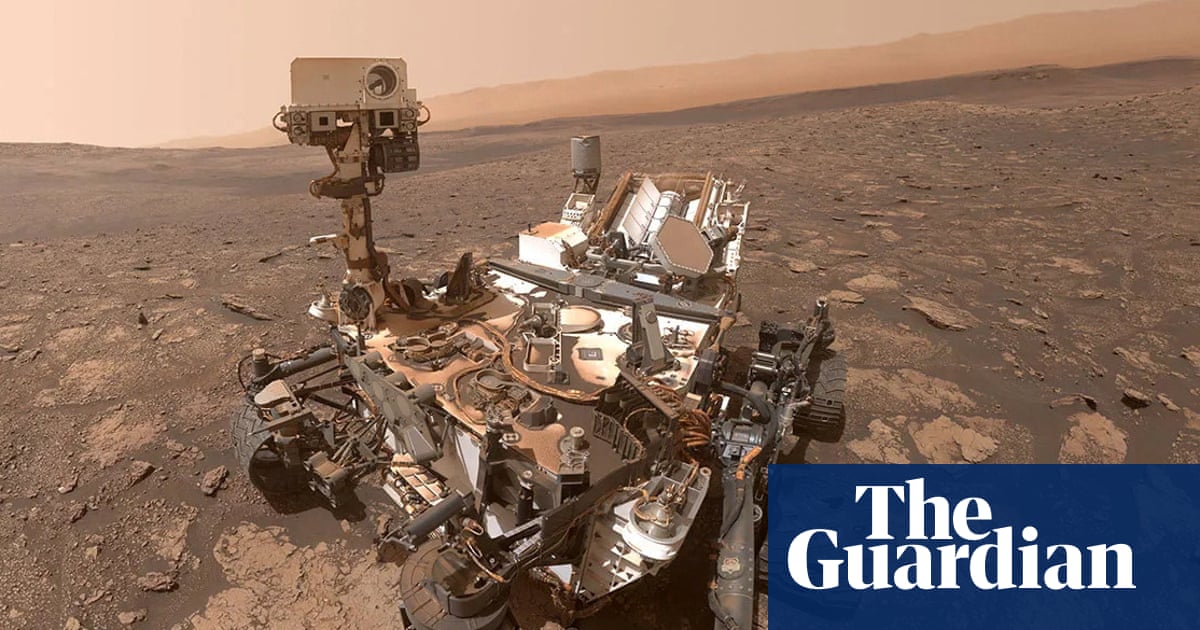
NASA’s Curiosity rover has detected the most diverse suite of organic molecules yet identified on Mars, researchers reported April 21 in Nature Communications. A rock nicknamed “Mary Anning 3,” drilled in 2020 from clay‑rich sandstones in Glen Torridon on Mount Sharp (Gale Crater), yielded 21 carbon‑containing molecules; seven had not previously been seen on Mars. Among the novel detections are a nitrogen heterocycle — a ringed molecule considered a chemical precursor to RNA/DNA — and benzothiophene, a sulfur‑bearing compound found in meteorites. The results come from the first off‑Earth use of tetramethylammonium hydroxide (TMAH) thermochemolysis in the Sample Analysis at Mars (SAM) instrument, a “wet chemistry” test that breaks macromolecular carbon into analyzable fragments. Team lead Amy Williams and colleagues verified aspects of the technique using a Murchison meteorite sample. Scientists emphasise the findings do not prove past life: the organics could be native abiotic products or delivered by meteorites. The discovery shows complex organics can survive ~3.5 billion years in Martian clays and will inform future missions and sample‑return priorities.
Explore more on NewsDigest