NewsDigestFollow

NASA Declares MAVEN Mars Orbiter Mission Over

🏷️ Science & Space🌍 United States🔥 Trending🔗 16 sources39Digest ScoreiThis score reflects the story's reliability, bias neutrality, and public momentum.
NASA Declares MAVEN Mars Orbiter Mission Over

📰 Full Story

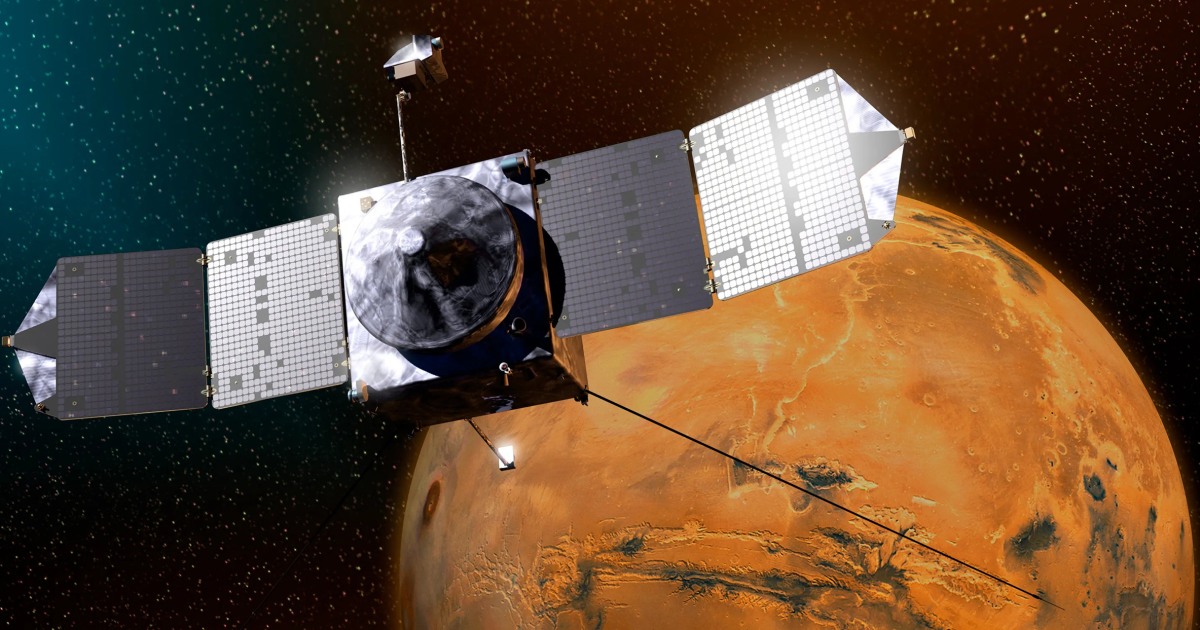
NASA confirmed on June 3–4, 2026 that its Mars Atmosphere and Volatile Evolution (MAVEN) orbiter is no longer recoverable after losing contact following a pass behind Mars on Dec. 6, 2025. An anomaly review board concluded a fragment of telemetry captured by the Deep Space Network indicated the spacecraft emerged in safe mode and was rotating at an unusually high rate (about 2.7 revolutions per minute), which likely drained its batteries and left communications powerless. Launched in November 2013 and in orbit since September 2014, MAVEN exceeded its one‑year primary mission to collect 11 years of measurements of the upper atmosphere, auroras and atmospheric escape processes including sputtering. The agency has begun formal decommissioning and archiving of MAVEN’s dataset and will publish a final investigation report later in 2026. MAVEN’s relay duties for rovers will be handled by remaining orbiters — Mars Odyssey, Mars Reconnaissance Orbiter and European spacecraft — and the probe is expected to remain in orbit for decades before eventual decay.


UN warns AI will strain global water and energy

🏷️ Science & Space🔗 6 sources32Digest ScoreiThis score reflects the story's reliability, bias neutrality, and public momentum.
UN warns AI will strain global water and energy

📰 Full Story

A United Nations University report published 3 June 2026 warns that the rapid expansion of artificial intelligence could place severe strains on electricity, water and land. The UNU‑INWEH study projects that data centres powering AI could consume about 945 terawatt‑hours of electricity by 2030, require roughly 9.3 trillion litres of water (equivalent to the basic annual needs of 1.3 billion people in sub‑Saharan Africa) and occupy about 14,500 square kilometres of land. Inference—the day‑to‑day queries users send to deployed models—now accounts for an estimated 80–90% of AI energy use. The report cites examples such as ChatGPT processing some 2.5 billion prompts daily, using about 383 GWh a year. It warns that carbon‑focused metrics alone hide trade‑offs: moving to bioenergy can lower CO2 but greatly increase water and land footprints. Projected e‑waste could reach up to 2.5 million tonnes annually by 2030. UNU‑INWEH urges standardized environmental disclosure by AI firms, regulatory reporting, siting rules to protect water‑stressed regions, efficiency improvements, and behavioural changes by users (for example, shorter prompts or avoiding energy‑heavy image/video generation).

Queen-cell wax helps shape honeybee queens

🏷️ Science & Space🔗 4 sources30Digest ScoreiThis score reflects the story's reliability, bias neutrality, and public momentum.
Queen-cell wax helps shape honeybee queens

📰 Full Story

New research published June 3, 2026 in Nature shows that the waxed chambers where honeybee queens develop — not just royal jelly — play a critical role in queen formation. Scientists led by researchers at the University of California, Riverside and collaborators compared peanut‑shaped queen cells with ordinary worker comb in western (Apis mellifera) and eastern (Apis cerana) honeybees. They found queen‑cell wax is physically and chemically distinct: softer, less dense and containing different fatty acids and scent compounds. A previously unrecognized class of young “queen cell builder” workers appears specialized for constructing these nurseries, maintaining higher body temperatures and distinct gene expression while working. Experimental tests raised larvae on identical royal jelly but capped artificial cells with either queen or worker wax; larvae under worker wax suffered higher mortality and produced smaller queens. The team used thermal imaging, chemical and materials analyses, behavioral tracking and tracer experiments to show workers selectively gather and modify materials for royal cells. The findings suggest social niche construction — the hive’s built environment and attendant workers — actively engineers queen development, expanding understanding of insect caste determination.

Swiss physicists create certifiably perfect randomness

🏷️ Science & Space🌍 Switzerland🔗 3 sources21Digest ScoreiThis score reflects the story's reliability, bias neutrality, and public momentum.
Swiss physicists create certifiably perfect randomness

📰 Full Story

Researchers at ETH Zurich have demonstrated a laboratory method to generate certifiably perfect randomness using two entangled superconducting qubits, publishing their results in Nature. The team, led by Renato Renner and Andreas Wallraff, linked two chips by a 30-metre supercooled microwave guide and performed more than a billion Bell-test trials over roughly nine hours. Starting from an imperfect random source to choose measurement settings, the experiment used entanglement and a randomness-amplification protocol to produce output bit sequences that the authors say are provably free of bias and device-independent. The setup operated at temperatures near absolute zero and is described as substantially lowering computational costs compared with software-based pseudo-random generators. The paper argues the output can serve as a physically certified reference for randomness, with possible applications in cryptographic key generation, secure digital identities, public randomness services for lotteries, and blockchain systems. The team cautions the approach is currently a networked, lab-scale technique best suited where nodes can access a dedicated server implementing the protocol.

🤝 Social Media Insights

Social Summary
1 / 5
The experiment is significant not because it first produced random bits, but because it produced device-independent, provably certified randomness by amplifying a weak source via Bell tests. It’s costly and currently best suited as a high-assurance reference for cryptography and auditing, not as a mass-market RNG.

China's Long March 12B debuts in surprise launch

🏷️ Science & Space🌍 China🔗 3 sources19Digest ScoreiThis score reflects the story's reliability, bias neutrality, and public momentum.
China's Long March 12B debuts in surprise launch

📰 Full Story

China conducted the maiden flight of its Long March 12B rocket on June 1, 2026, sending multiple Qianfan (“Thousand Sails”) internet satellites into low Earth orbit. The two-stage, partially reusable vehicle — roughly 70–72 metres tall and visually similar to SpaceX’s Falcon 9 — reached orbit successfully but did not attempt a booster recovery on the first flight; officials said recovery tests will come later. State aerospace entities announced the launch after liftoff and, according to multiple reports, did not issue routine advance airspace or maritime notices ahead of the mission. The flight marks another step in China’s push to field commercial reusable launchers and rapidly expand a domestic megaconstellation to provide internet services and other orbital capabilities. Observers flagged concerns about transparency and safety for civil aviation, the potential for increased orbital congestion and debris, and the brightness of Qianfan satellites, which may affect astronomical observations.

Scientists revive Ötzi yeasts and bake sourdough

🏷️ Science & Space🌍 Italy🔥 Trending🔗 15 sources17Digest ScoreiThis score reflects the story's reliability, bias neutrality, and public momentum.
Scientists revive Ötzi yeasts and bake sourdough

📰 Full Story

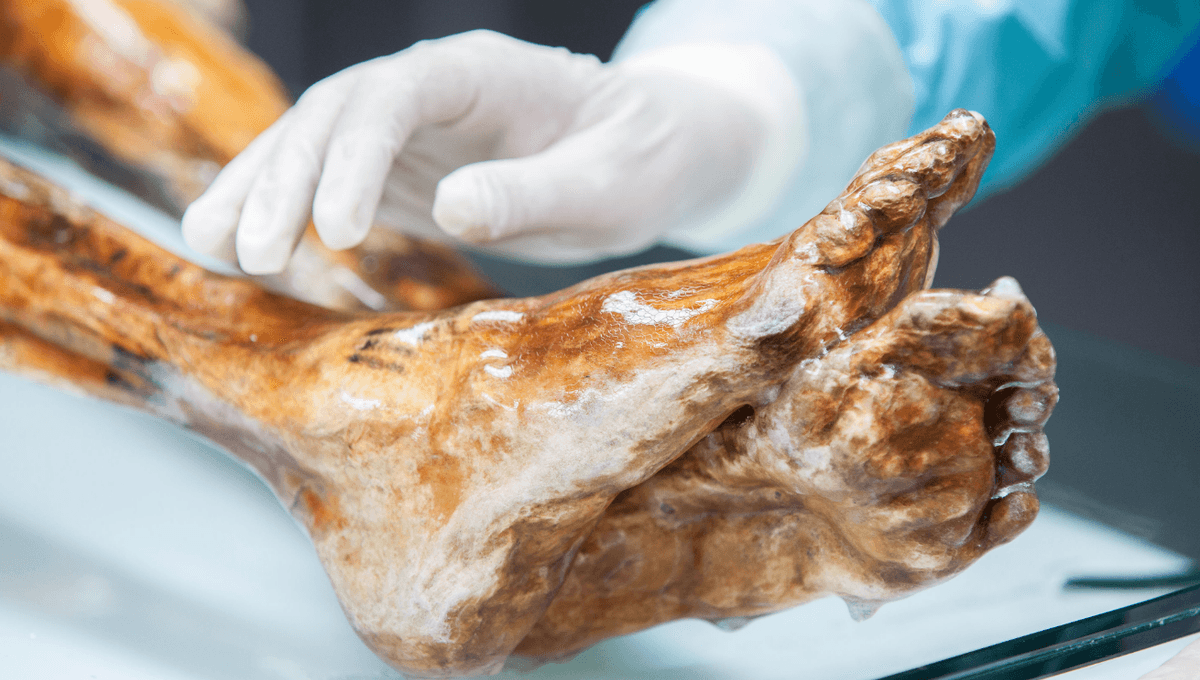
A multinational team led by researchers at Italy’s Eurac Research reported on June 3, 2026 that Ötzi the Iceman’s remains host living, cold‑adapted yeasts and a mix of ancient and modern microbes. Published in the journal Microbiome, the study analysed swabs, tissue and meltwater taken from the 5,300‑year‑old Alpine mummy and associated glacier soil and storage environment. Scientists identified four psychrophilic yeast species (including Glaciozyma) that could be cultured from samples taken in 2010 and 2019; one strain increased markedly between those dates. Lab cultures were used to ferment a sourdough loaf after months of work. Genetic signatures in other bacteria point to gut microbes typical of pre‑industrial, high‑fiber diets. Researchers warn that some cold‑loving yeasts can metabolise phenol — a chemical applied to Ötzi after discovery — raising both conservation concerns and potential bioremediation applications. Ötzi is kept at about −6°C in the South Tyrol Museum of Archaeology in Bolzano, Italy, and the team says ongoing microbiological monitoring and further study are needed to assess long‑term impacts on preservation and to clarify whether the organisms have been reproducing over millennia or colonised more recently.

🤝 Social Media Insights

Social Summary
1 / 5
Key takeaways: the study isolated viable cold-adapted yeasts that were cultured in lab and tested (including in sourdough), raising both biotech interest (brewing/baking) and conservation concerns. Observers emphasise methodological clarity and the need for ongoing microbial monitoring.

Meteor explosion rattles New England, lands in Cape Cod Bay

🏷️ Science & Space🌍 United States🔗 4 sources14Digest ScoreiThis score reflects the story's reliability, bias neutrality, and public momentum.
Meteor explosion rattles New England, lands in Cape Cod Bay

📰 Full Story

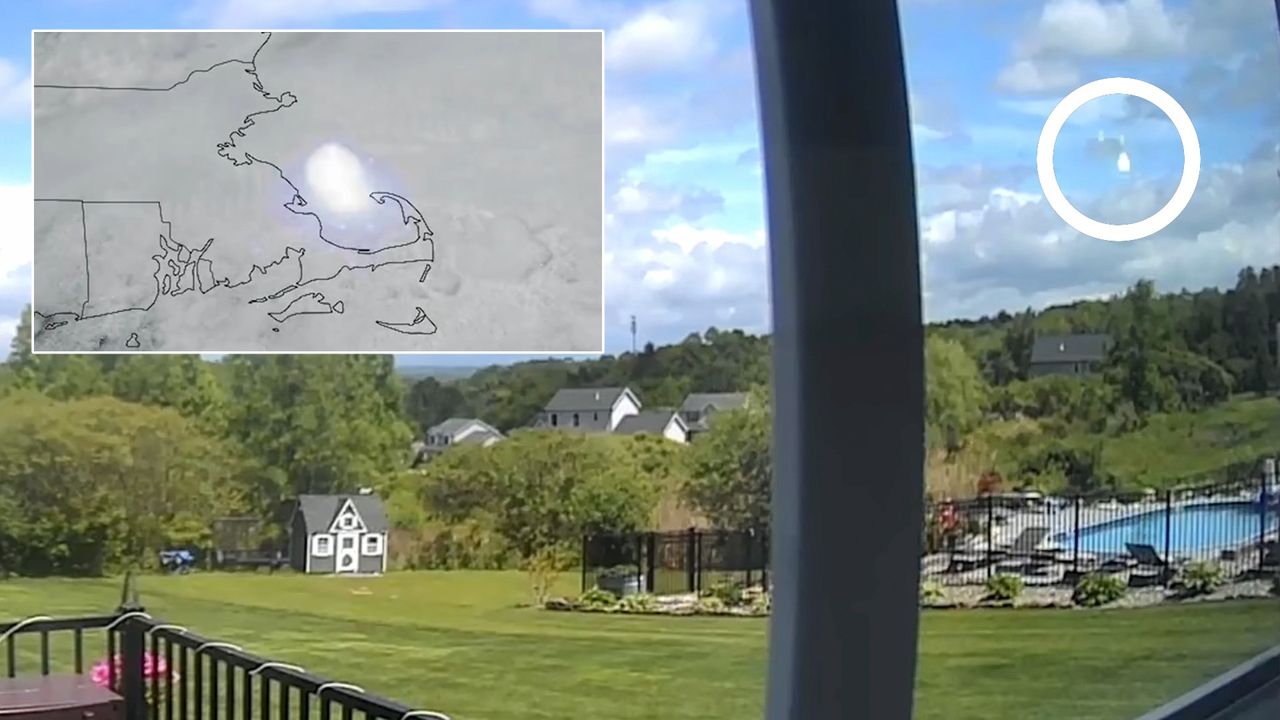
A meteor exploded over northeastern United States on May 30, 2026, producing a loud double sonic boom heard across eastern Massachusetts, Rhode Island and parts of New Hampshire at about 2:06 p.m. EDT. NASA, after consulting eyewitness reports collected by the American Meteor Society and observations from NOAA’s GOES‑19 satellite, determined the object fragmented while passing through the atmosphere. Initial analyses put the breakup altitude near 40 miles with an energy release roughly equivalent to 300 tons of TNT; subsequent NASA updates revised the breakup altitude to about 31 miles and the energy estimate to about 230 tons of TNT. The body was roughly 1.5–1.6 metres (about 5 feet) across, travelling at about 42,000 mph and weighing on the order of 5.6 metric tons, and moved northwest to southeast for roughly 26 miles before falling into Cape Cod Bay. GOES‑19’s GLM instrument and regional radar networks recorded the flash and shock signatures; the U.S. Geological Survey ruled out an earthquake. No injuries or damage have been reported, and debris likely fell into water about 34 metres (100 feet) deep.

Judge blocks Trump effort to seize NCAR supercomputer

🏷️ Science & Space🌍 United States🔗 3 sources11Digest ScoreiThis score reflects the story's reliability, bias neutrality, and public momentum.
Judge blocks Trump effort to seize NCAR supercomputer

📰 Full Story

A federal judge on June 2, 2026 issued a preliminary injunction blocking the Trump administration and the National Science Foundation from transferring stewardship of the NCAR‑Wyoming Supercomputing Center away from the University Corporation for Atmospheric Research (UCAR). Senior U.S. District Judge R. Brooke Jackson found the administration’s move likely unlawful — describing the decision as arbitrary, capricious and an abuse of discretion — and said officials failed to explain the action or follow the agency’s public‑comment process. The court record also cites evidence the transfer was tied to political retaliation against Colorado after state officials refused pressures related to former Mesa County clerk Tina Peters. UCAR warned the transfer would disrupt critical weather, climate and space‑weather modeling used by DoD, NASA, NOAA, FAA, DOE, agriculture and emergency management; roughly 1,500 researchers from more than 500 universities rely on its computing resources. The injunction preserves UCAR’s rights, resources and responsibilities for the supercomputing center while the nonprofit’s lawsuit proceeds, marking a significant legal setback to the administration’s plan to break up NCAR.

Study reveals ancient origins of the Euphrates

🏷️ Science & Space🌍 Turkey🔗 3 sources11Digest ScoreiThis score reflects the story's reliability, bias neutrality, and public momentum.
Study reveals ancient origins of the Euphrates

📰 Full Story

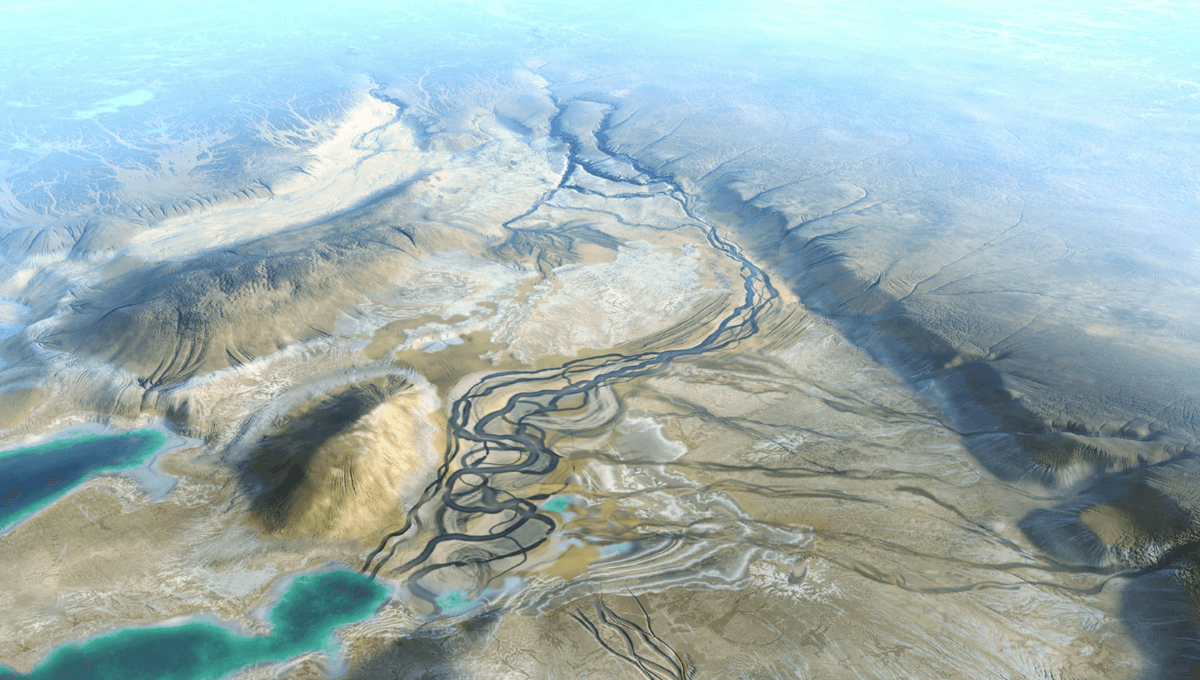
New research published in Nature Geoscience in June 2026 reconstructs how the Euphrates River formed millions of years ago, identifying two ancestral rivers in Anatolia that merged and were rerouted by tectonic activity. Using seismic-reflection imaging, onshore geological mapping and computer modelling, the team—led in part by geologist Andrew Madof at Chevron—traced the Paleo‑Karasu and Paleo‑Murat systems which once drained into the then‑dried Mediterranean during the Messinian Salinity Crisis. The analysis suggests the paleo‑rivers were gigantesque—estimates put the Paleo‑Karasu’s discharge larger than the Nile and the Paleo‑Murat greater than the modern Tigris and Euphrates combined—and that between roughly 3.6 million and 1.6 million years ago tectonic shifts on Anatolia’s faults swung their courses southeast, producing the single river system now known as the Euphrates. Authors note remaining uncertainty because conclusions rely on remote seismic and modelling data; targeted field sampling would help corroborate channel pathways and timings. The findings shed new light on landscape evolution that helped shape the Fertile Crescent and inform debates about regional paleoclimate and sedimentary basins.

France secures 2027 missions to ISS and Haven-1

🏷️ Science & Space🌍 France🔥 Trending🔗 4 sources8Digest ScoreiThis score reflects the story's reliability, bias neutrality, and public momentum.
France secures 2027 missions to ISS and Haven-1

📰 Full Story

France and California-based startup Vast announced in early June 2026 that two French astronauts will fly on private missions in 2027: Arnaud Prost is set to serve as flight test engineer on Vast’s Haven-1 commercial space station during a roughly two-week mission, while Thomas Pesquet is slated to command a separate private mission to the International Space Station. The agreement, unveiled at France’s Choose France summit and hailed by President Emmanuel Macron, confirms Vast’s plan to deploy Haven-1 after years of delays and to base a European presence in Paris. Both missions are expected to launch aboard SpaceX Falcon 9 rockets and will include scientific and technology demonstrations involving CNES and French partners. Pesquet’s ISS flight requires approval from the ISS partners’ panel (NASA, ESA, Roscosmos, JAXA and the Canadian Space Agency); if cleared it would mark an unprecedented non-American command of a US capsule. The ISS is scheduled for retirement around 2030, and Vast aims to follow Haven-1 with a larger Haven-2 as part of emerging commercial low-Earth-orbit infrastructure.

Scientists Detect Magnetic Fields on Hot Jupiters

🏷️ Science & Space🔥 Trending🔗 7 sources7Digest ScoreiThis score reflects the story's reliability, bias neutrality, and public momentum.
Scientists Detect Magnetic Fields on Hot Jupiters

📰 Full Story

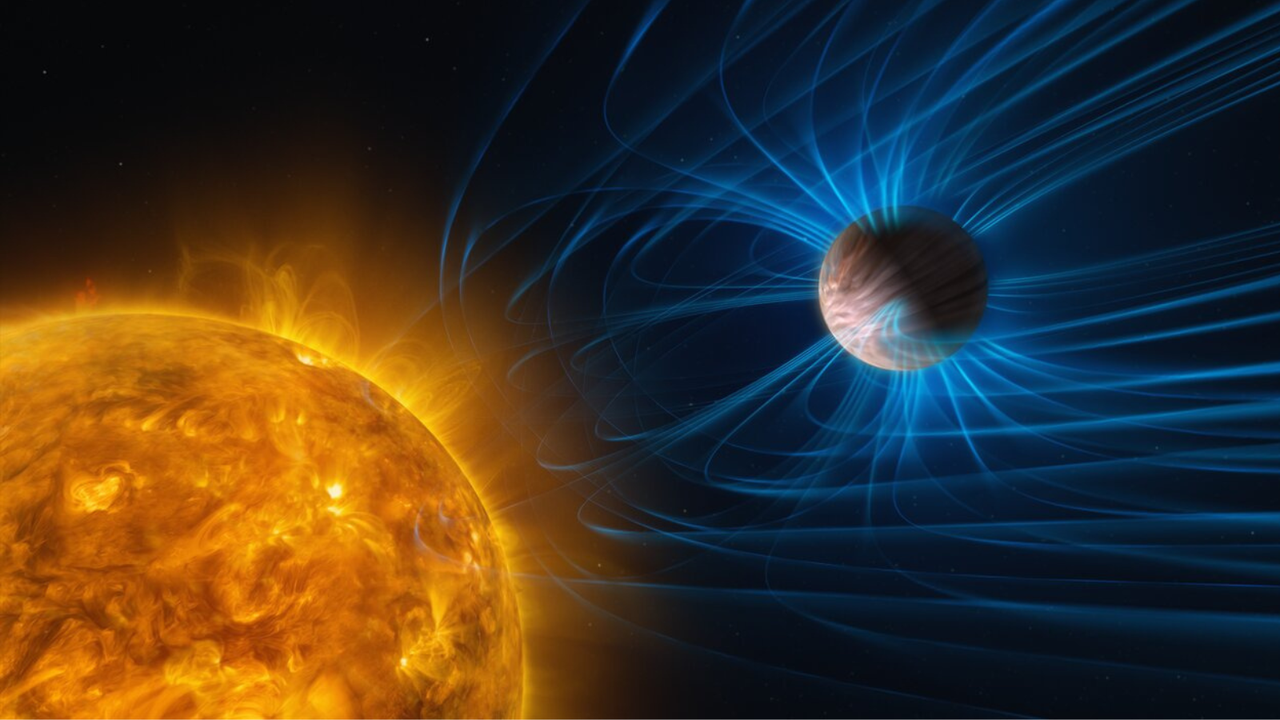
Astronomers report the strongest evidence yet that planets beyond the Solar System possess global magnetic fields after measuring extreme winds on seven tidally locked “hot Jupiter” gas giants. Using high-resolution spectroscopy from ESO’s Very Large Telescope (ESPRESSO) in Chile and the MAROON‑X instrument on the Gemini North telescope in Hawai‘i, the team led by Julia Seidel tracked atmospheric tracers and inferred wind speeds between roughly 4,470 mph (7,200 kph) and about 15,530 mph (25,000 kph). Counterintuitively, the hottest planets showed the slowest winds; researchers interpret this as magnetic braking of ionised atmospheric flows. From the wind–temperature trend the team estimated planetary magnetic field strengths comparable to Solar System giants — roughly several gauss, about four times Saturn’s field up to around half of Jupiter’s. Results are published in Nature Astronomy and co‑authored by Bibiana Prinoth and Vivien Parmentier. The sample included planets from near Jupiter mass to over three times Jupiter’s mass, all orbiting very close to their host stars.

Finland nears opening of Onkalo nuclear repository

🏷️ Science & Space🌍 Finland🔗 3 sources5Digest ScoreiThis score reflects the story's reliability, bias neutrality, and public momentum.
Finland nears opening of Onkalo nuclear repository

📰 Full Story

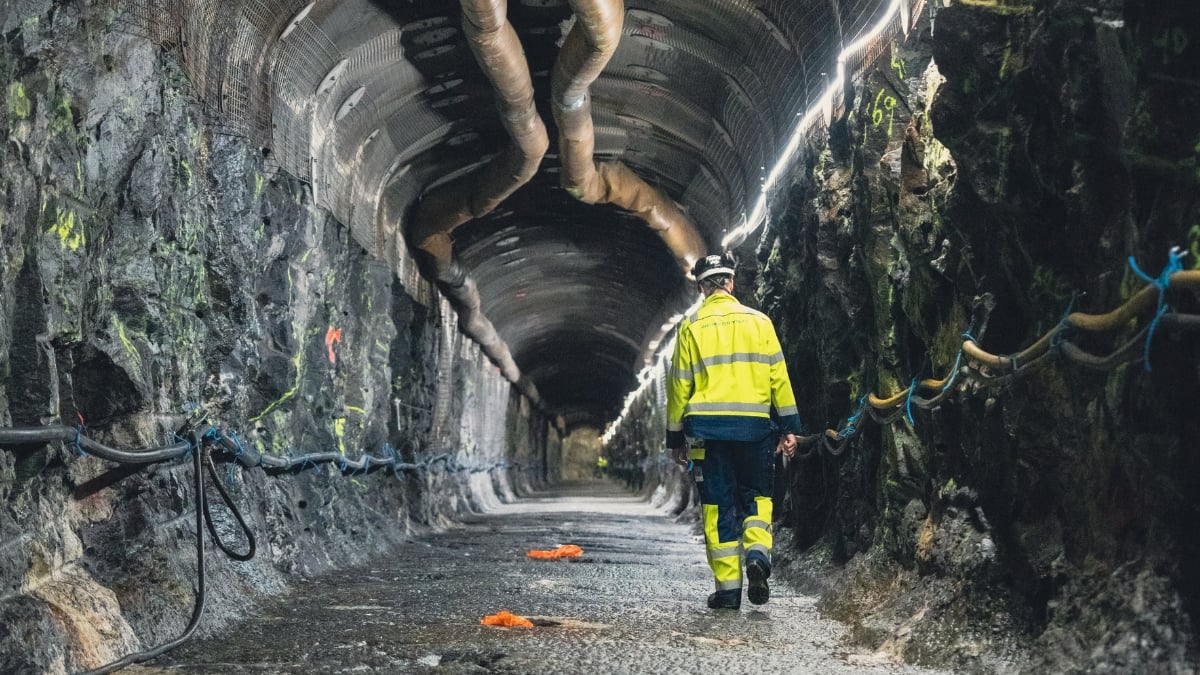
Finland is on the verge of opening Onkalo, the world’s first permanent deep geological repository for spent nuclear fuel, after more than two decades of construction. Blasted into 1.9-billion-year-old bedrock in Eurajoki, southwest Finland, the facility sits about 433 metres below ground and has capacity for roughly 6,500 tonnes of uranium from the country’s five reactors. Built by Posiva since 2004 at an estimated cost of about €1 billion ($1.16 billion), Onkalo uses corrosion‑resistant copper canisters surrounded by bentonite clay and will be sealed in reinforced concrete tunnels. The Finnish Radiation and Nuclear Safety Authority (STUK) is due to issue a final assessment in June 2026; if approved, an operating licence could follow and emplacement could begin late 2026 or in early 2027. Officials say the repository is designed to hold material for at least 100,000 years, while safety analyses have considered scenarios up to a million years. Critics, including environmental groups, warn that no system can be guaranteed safe over such timescales and point to risks such as canister corrosion and seismic effects over future ice ages. Finnish law requires domestic disposal of national waste, and authorities are evaluating how future small modular reactor waste would be managed.

Astronomers identify Rosetta stone for mysterious radio bursts

🏷️ Science & Space🌍 Australia🔗 6 sources4Digest ScoreiThis score reflects the story's reliability, bias neutrality, and public momentum.
Astronomers identify Rosetta stone for mysterious radio bursts

📰 Full Story

An international team led by the University of Sydney has identified ASKAP J1745−5051 as the first clear example of a long-period radio transient (LPT) originating in a cataclysmic variable — a closely orbiting pair of stars in which a magnetic white dwarf accretes material from a red dwarf companion. Observations with CSIRO’s ASKAP radio telescope recorded strongly polarized, repeating radio bursts every ~81 minutes that were accompanied by periodic X‑ray outbursts detected by NASA’s Swift and the Einstein Probe. Optical spectroscopy from the SOAR telescope confirmed a white dwarf–red dwarf binary with matching orbital period; the radio and X‑ray peaks are offset in phase, indicating different emission regions. The discovery, published in Nature Astronomy in early June 2026 and led by PhD student Kovi Rose, ties together multiwavelength evidence and offers a template to interpret about a dozen previously puzzling LPTs found across the Milky Way.

Britain's Oldest Cave Art Confirmed in Wales

🏷️ Science & Space🌍 United Kingdom🔥 Trending🔗 5 sources4Digest ScoreiThis score reflects the story's reliability, bias neutrality, and public momentum.
Britain's Oldest Cave Art Confirmed in Wales

📰 Full Story

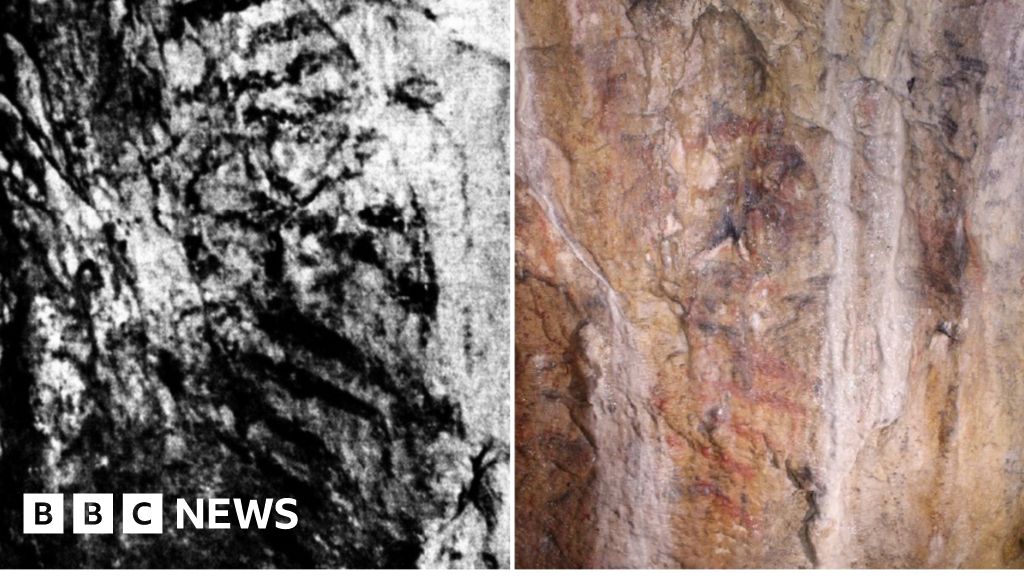
Researchers have confirmed a panel of red horizontal lines painted inside Bacon Hole cave on the Gower Peninsula as the oldest known rock art in the British Isles. First recorded in 1912 and dismissed in 1928 as natural staining, the panel was rediscovered in 2022 and analysed by an international team led by archaeologist George Nash. Uranium–thorium dating of a calcite crust overlying the pigment gives a minimum age of about 17,100 years before present (with a reported range circa 18,300–15,700 years). The pigment is hematite (iron oxide) and the panel — 10–11 equidistant red stripes, with associated finger dots and splashes — shows patterns consistent with deliberate human marking. The study, published in Quaternary, involved scholars from the universities of Liverpool, Southampton and Swansea, the First Art project, and support from National Trust Cymru and the Bradshaw Foundation. The site, under National Trust custodianship, already has a protective grill; archaeologists are calling for stronger monument protection. Authors caution the dating rests on limited samples and call for further study to refine ages and context.

Neuropixels Opto probe records and controls neurons

🏷️ Science & Space🌍 United Kingdom🔗 3 sources3Digest ScoreiThis score reflects the story's reliability, bias neutrality, and public momentum.
Neuropixels Opto probe records and controls neurons

📰 Full Story

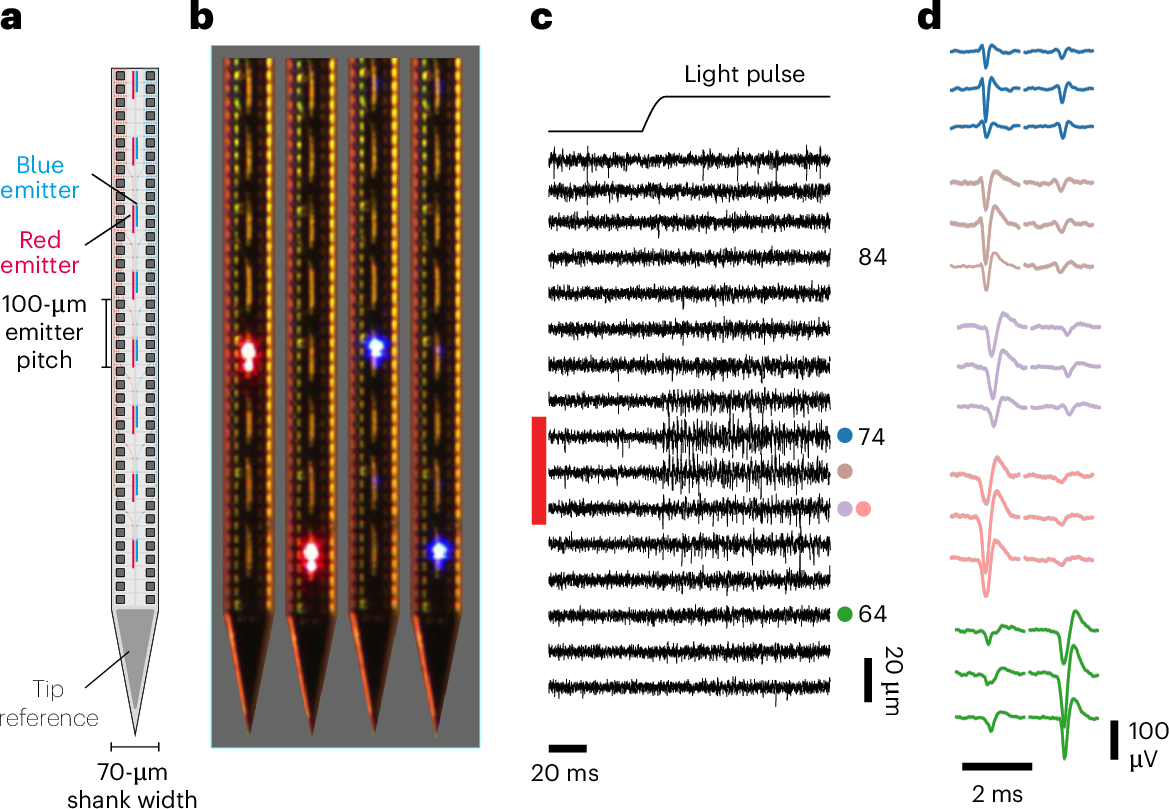
An international team led by University College London and the Allen Institute unveiled Neuropixels Opto on June 1, 2026 in Nature Methods: a silicon neural probe that simultaneously records and manipulates neuronal activity. The device integrates high-density electrophysiological recording sites with microscopic light emitters along a shaft narrower than a human hair, enabling electrical readout from hundreds of neurons while delivering targeted optogenetic stimulation deep in the brain. Validated in mice as part of a £15 million project funded by the Wellcome Trust, the Allen Institute and partners, Neuropixels Opto overcomes prior technical barriers to combining light delivery and sensitive recordings in deep regions. Early experiments show surprisingly localised cortical responses and permit direct causal tests of how specific neurons influence surrounding circuits. Developers say the tool could accelerate circuit mapping, improve study of neurological and psychiatric disorders such as Alzheimer’s, Parkinson’s and schizophrenia, and scale high-resolution neural recording for labs worldwide.

Blue Origin's New Glenn pad damaged; company vows return

🏷️ Science & Space🌍 United States🔥 Trending🔗 20 sources3Digest ScoreiThis score reflects the story's reliability, bias neutrality, and public momentum.
Blue Origin's New Glenn pad damaged; company vows return

📰 Full Story

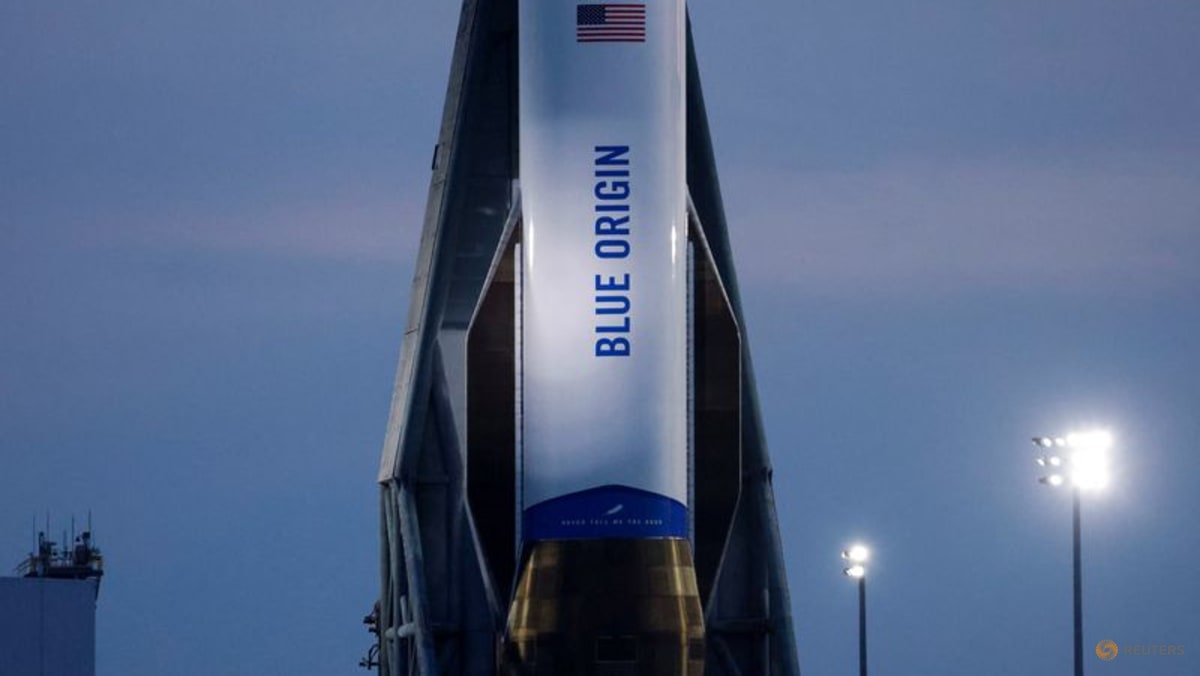
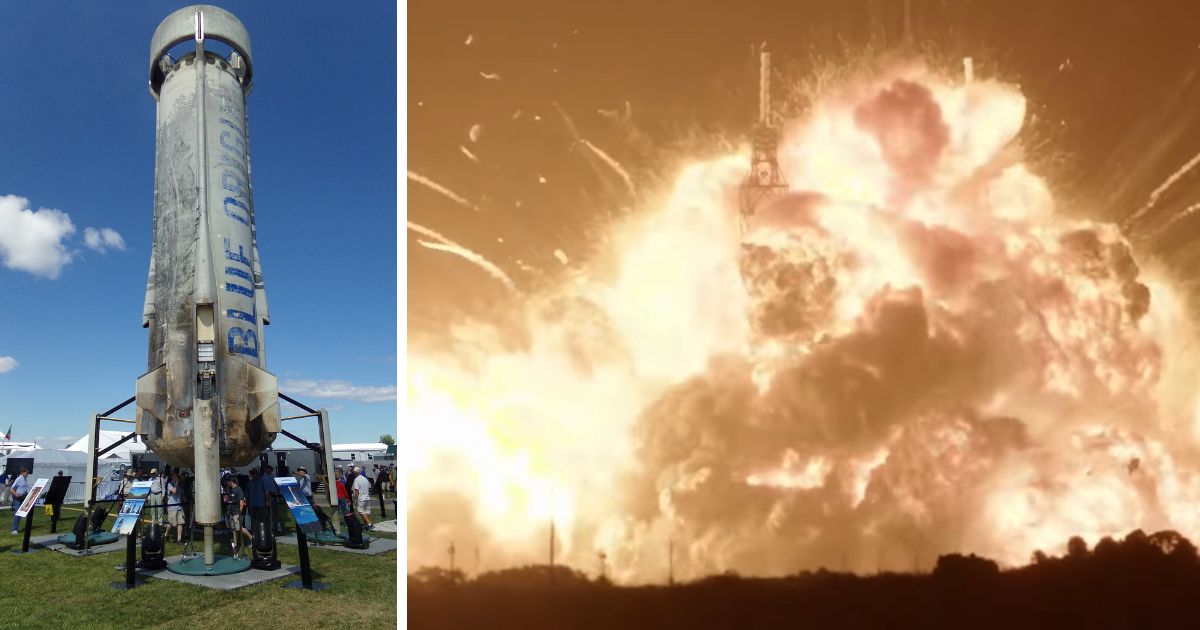
Blue Origin’s 320-foot New Glenn rocket exploded during a May 28 hot-fire test at Cape Canaveral Space Force Station, destroying the vehicle and severely damaging Launch Complex 36 (LC-36). No personnel were injured and Amazon’s 48 Amazon Leo satellites scheduled for the flight had not been integrated. Satellite imagery and on-site inspections show widespread charring and destruction of the transporter-erector and a lightning tower; company and industry sources described the pad as “practically destroyed.” Blue Origin CEO Dave Limp said key cryogenic fuel tanks, a nearby booster and several upper stages appear intact and the standing support tower can be repaired, and pledged New Glenn would fly again before the end of 2026. NASA has opened a review and the U.S. Federal Aviation Administration investigation is expected; NASA’s administrator told CNBC repairs could “take some serious time,” with a 2028 timeframe possible. The mishap compounds earlier New Glenn anomalies and could delay Blue Origin’s Blue Moon lunar lander deliveries and Amazon’s satellite rollout, tightening launch capacity in the U.S. and shifting program risk onto other providers.

Rare blue micromoon lights skies May 31

🏷️ Science & Space🔗 7 sources2Digest ScoreiThis score reflects the story's reliability, bias neutrality, and public momentum.
Rare blue micromoon lights skies May 31

📰 Full Story

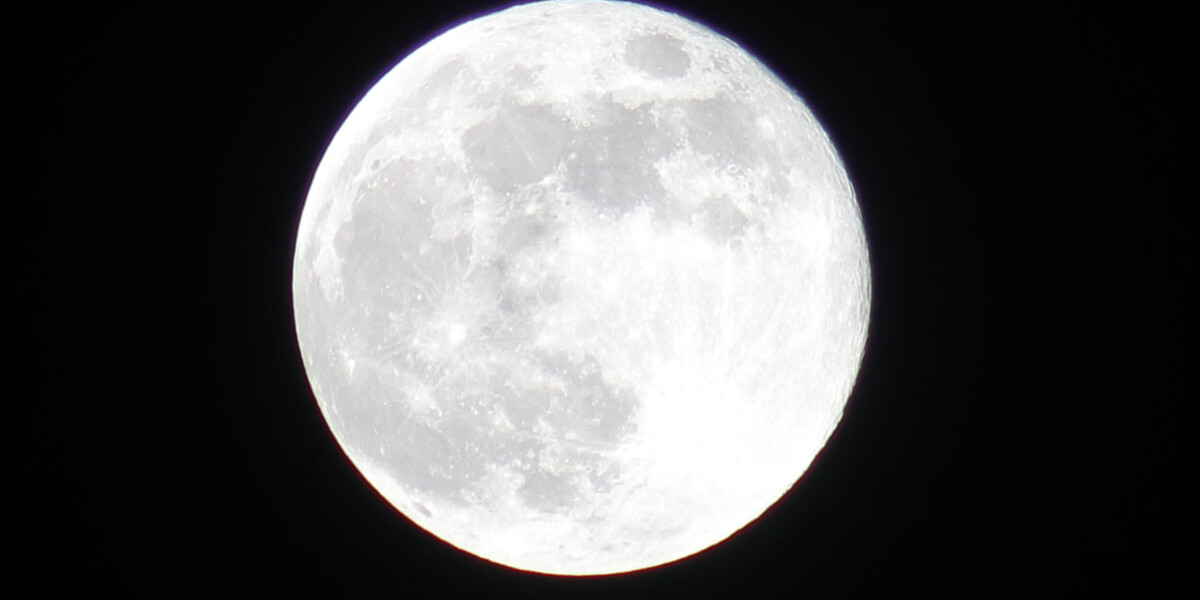
A rare Blue Moon that is also a micromoon was visible on the night of May 30-31, 2026, marking the second full moon in May. The full phase peaked around May 31 and occurred roughly 19 hours before lunar apogee, making it the smallest and most distant full moon of the year — about 406,000 kilometres (approximately 252,360 miles) from Earth. The event was observable across much of the globe, with public viewings reported in Chile and France and viewing guidance issued for the UK and elsewhere. Astronomers highlighted that the Moon will not appear blue; the “Blue Moon” label denotes a second full moon in a single calendar month. Observers could also spot the bright red star Antares near the Moon. The Virtual Telescope Project hosted a free livestream (Gianluca Masi) beginning 9:30 p.m. EDT on May 30 (0130 GMT May 31). Media and outreach outlets noted both astronomical and astrological interest; some astrologers and spiritual guides encouraged reflection and mindfulness tied to the lunation. Experts say the next comparable Blue Micromoon is not expected until 2053.

NASA awards nearly $1 billion for Moon hardware

🏷️ Science & Space🌍 United States🔗 5 sources0Digest ScoreiThis score reflects the story's reliability, bias neutrality, and public momentum.
NASA awards nearly $1 billion for Moon hardware

📰 Full Story

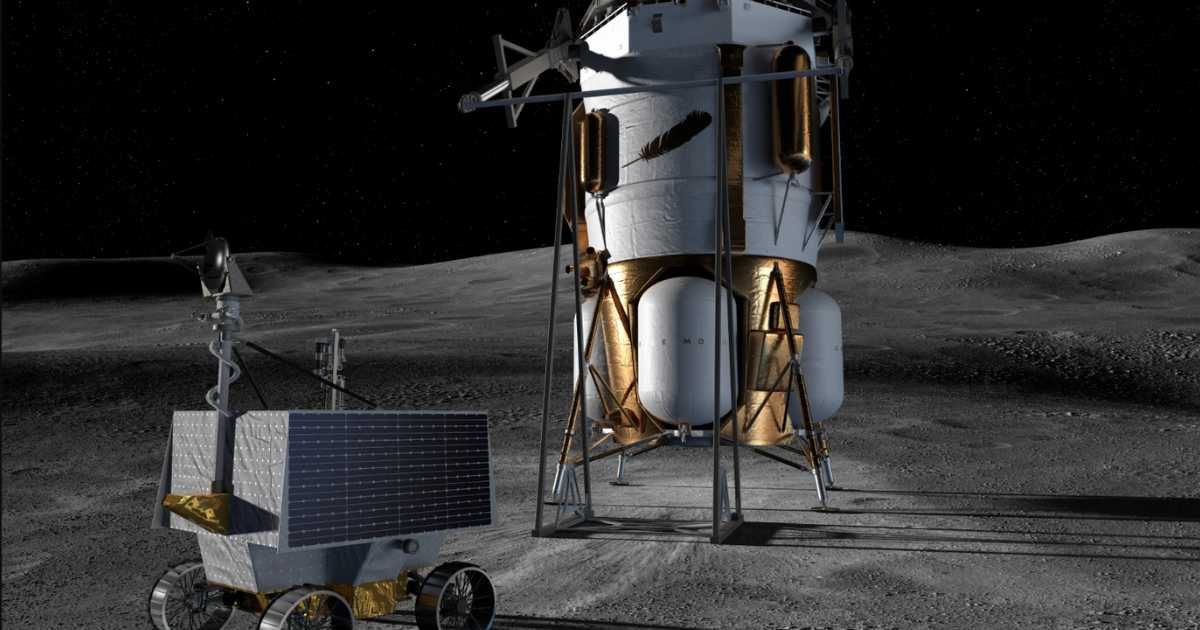
NASA on May 26, 2026 began buying the hardware it says is needed to lay groundwork for a sustained human presence on the Moon, awarding roughly $900 million to $1 billion in task orders to U.S. commercial firms. Under the Lunar Terrain Vehicle Services (LTVS) program the agency gave Astrolab about $219 million and Lunar Outpost roughly $220 million to develop competing crewed/autonomous rovers (Astrolab’s CLV-1 and Lunar Outpost’s Pegasus) intended to operate at the lunar south pole with range requirements of about 125 miles and delivery targeted for 2028. Blue Origin received a Commercial Lunar Payload Services (CLPS) cargo task order valued at about $188 million with options worth roughly $280 million to deliver infrastructure, and Firefly Aerospace and other partners were tapped to support drone and delivery work. NASA said three iterative uncrewed “Moon Base” missions and a series of cargo deliveries are planned this year to begin emplacement of rovers, drones and science payloads near permanently shadowed regions where water ice and near-constant sunlight make long-duration operations possible.

China's Shenzhou 21 crew returns after 210-day mission

🏷️ Science & Space🌍 China🔗 4 sources0Digest ScoreiThis score reflects the story's reliability, bias neutrality, and public momentum.
China's Shenzhou 21 crew returns after 210-day mission

📰 Full Story

China’s Shenzhou 21 crew safely returned to Earth on May 29, touching down at the Dongfeng landing site in Inner Mongolia after a 210-day stay aboard the Tiangong space station — the longest single Chinese crewed mission to date. Mission commander Zhang Lu, flight engineer Wu Fei and payload specialist Zhang Hongzhang completed three spacewalks and a programme of experiments in microgravity, materials science, life sciences and aerospace medicine. The trio returned in a different capsule than the one that launched them after a debris-related crack was found in the Shenzhou 20 vehicle; China launched an uncrewed replacement (Shenzhou 22) in November that later brought the Shenzhou 21 crew home. The handover to the Shenzhou 23 team, which arrived on May 24, was completed ahead of one crew member from that mission slated to remain aboard Tiangong for a year. Zhang Lu now holds a Chinese record of seven spacewalks across missions.

Blue Origin New Glenn explodes during hotfire test

🏷️ Science & Space🌍 United States🔥 Trending🔗 107 sources0Digest ScoreiThis score reflects the story's reliability, bias neutrality, and public momentum.
Blue Origin New Glenn explodes during hotfire test

📰 Full Story

Blue Origin’s 98-metre New Glenn rocket exploded in a massive fireball during a hot-fire engine test at Cape Canaveral Space Force Station on the night of May 28, 2026. Video shows the vehicle erupting and parts of Launch Complex 36 sustaining heavy damage; authorities said no personnel were injured and all were accounted for. The rocket was being prepared for a June mission to deploy 48 Amazon Leo broadband satellites, which were not onboard at the time. The Federal Aviation Administration and U.S. Space Force are aware and Blue Origin and NASA have launched an investigation. The incident comes days after NASA awarded Blue Origin contracts tied to Artemis lunar missions and surface rovers, and follows earlier New Glenn flight anomalies that prompted a recent FAA probe. Blue Origin warned debris could wash ashore and advised the public not to handle any wreckage. Company founder Jeff Bezos and NASA administrator Jared Isaacman pledged a thorough review; Elon Musk and other industry figures responded publicly. Initial analysis points to a first-stage area near the BE-4 engines but the root cause remains unknown.

🤝 Social Media Insights

Social Summary
1 / 5
The explosion occurred during a cleared static-fire test and primarily involved methane/oxygen propulsion. The main operational impact is damage to launch infrastructure and loss of hardware, which will likely delay New Glenn missions and associated commercial and NASA schedules for months.