
📰 Full Story
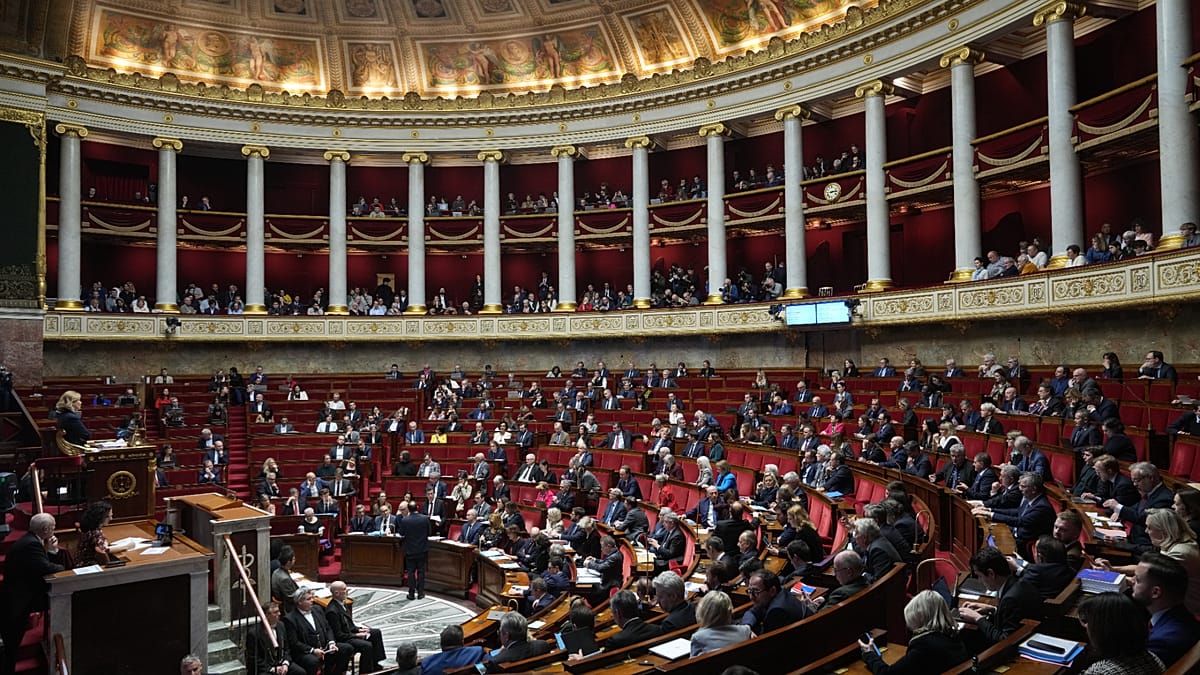
France’s fractious parliament finally adopted the delayed 2026 budget on February 2 after Prime Minister Sébastien Lecornu survived two no-confidence motions triggered by his use of Article 49.3 to force the bill through.
Motions from left-wing parties and the far right fell short, winning 260 and 135 votes respectively, clearing the way for final adoption pending a Constitutional Council review expected around February 10.
The package targets a deficit of about 5% of GDP and a state deficit of roughly €131.9 billion, loosening an earlier aim of 4.7%. It raises roughly €7.3 billion from higher business taxes, introduces a €2 levy on non-EU parcels (added to an EU €3 charge), imposes a 20% tax on certain assets held in holding companies, and restricts CPF funding for driving lessons.
Defence spending is a major beneficiary, with a roughly €6.5–6.7 billion boost earmarked for new equipment and troop modernization.
The budget also includes social concessions won from the Socialists — nationwide €1 student meals, higher top-up payments for low-income workers — while postponing contentious pension reform until after the 2027 presidential vote.
🔗 Based On
The Local France - News and practical guides in EnglishTips, parcels and driving lessons - 5 changes in France's final 2026 budget
Le Monde - EnglishFrance's 2026 budget battle is finally over. The next one may be even more complex.
RFI - All the news from France, Europe, Africa and the rest of the world.French government survives latest no-confidence vote, ending budget deadlock











:max_bytes(150000):strip_icc()/TAL-matterhorn-switzerland-MSTROMANTICLANDMRK0126-82a1bb8e8afd476bb3a050fed5a555ab.jpg)









💬 Commentary