
📰 Full Story
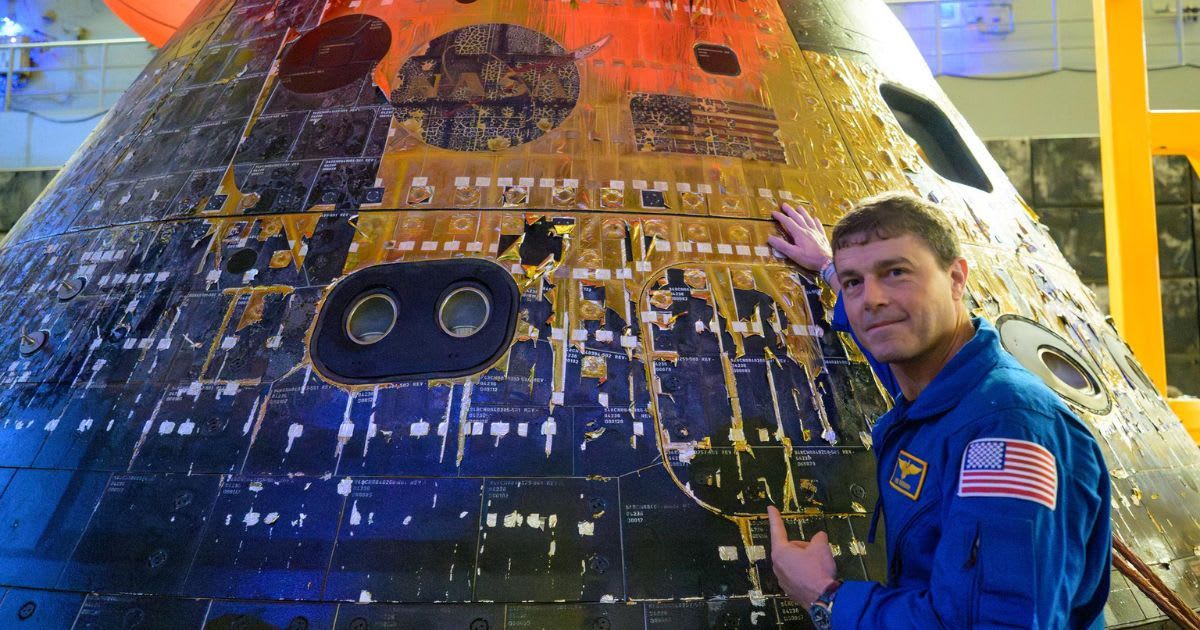
Initial post-mission inspections show the Orion heat shield used on NASA’s crewed Artemis II mission withstood the mission’s blistering reentry with substantially less damage than the uncrewed Artemis I return.
Divers photographed the underside of the capsule shortly after its April 10 splashdown; NASA said on April 20 that ceramic tiles were uncracked, reflective thermal tape remained in many places and overall char loss was reduced in both size and quantity.
The heat shield uses Avcoat ablative material; engineers attribute the improved outcome largely to a change in the reentry profile — a lofted, Apollo-style entry — that eliminated the skip maneuver used on Artemis I and reduced conditions that trapped gases and led to cracking.
Orion splashed down about 2.9 miles (4.7 km) from its targeted landing point, and early system checks found the SLS and other mission systems performed as expected.
NASA will transport the heat shield to the Marshall Space Flight Center for more detailed scans.
The findings will factor into planning and hardware decisions for upcoming Artemis missions, including the 2027 Artemis III docking test and later lunar-landing campaigns.





💬 Commentary