
📰 Full Story
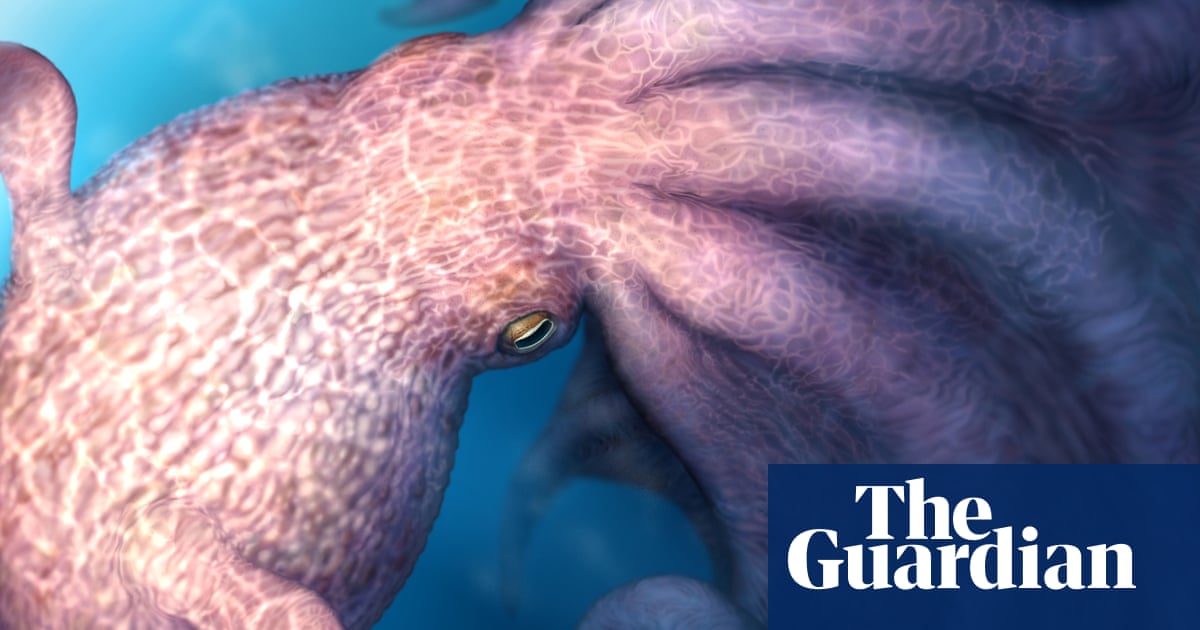
A multinational team led by researchers at Hokkaido University reports that enormous, finned octopuses prowled Cretaceous seas and occupied top predator roles alongside mosasaurs and large sharks.
Published in Science on April 23, 2026, the study re-examined 27 fossilised cephalopod jaws from Japan and Canada’s Vancouver Island and reassigned them to two species, Nanaimoteuthis jeletzkyi and N. haggarti.
Using high-resolution grinding tomography, AI-assisted “digital fossil-mining” and comparisons with modern finned octopuses, the authors estimated N. haggarti could have reached about 7–19 metres in total length, potentially making it the largest invertebrate known.
Distinctive wear patterns on the beaks indicate repeated crushing of hard-shelled and bony prey (durophagy), and asymmetric wear suggests lateralised feeding behaviour akin to handedness.
The findings extend the record of finned octopuses deeper into the Late Cretaceous and challenge the conventional view that large vertebrates solely dominated apex positions in ancient marine food webs.
The authors caution size and behavioural inferences stem from beak-based reconstructions and call for more fossils to refine ecological roles.




💬 Commentary