NewsDigestFollow

France repositions carrier for possible Hormuz security mission

šŸ·ļø DefensešŸŒ FrancešŸ”— 8 sources29Digest ScoreiThis score reflects the story's reliability, bias neutrality, and public momentum.
France repositions carrier for possible Hormuz security mission

šŸ“° Full Story

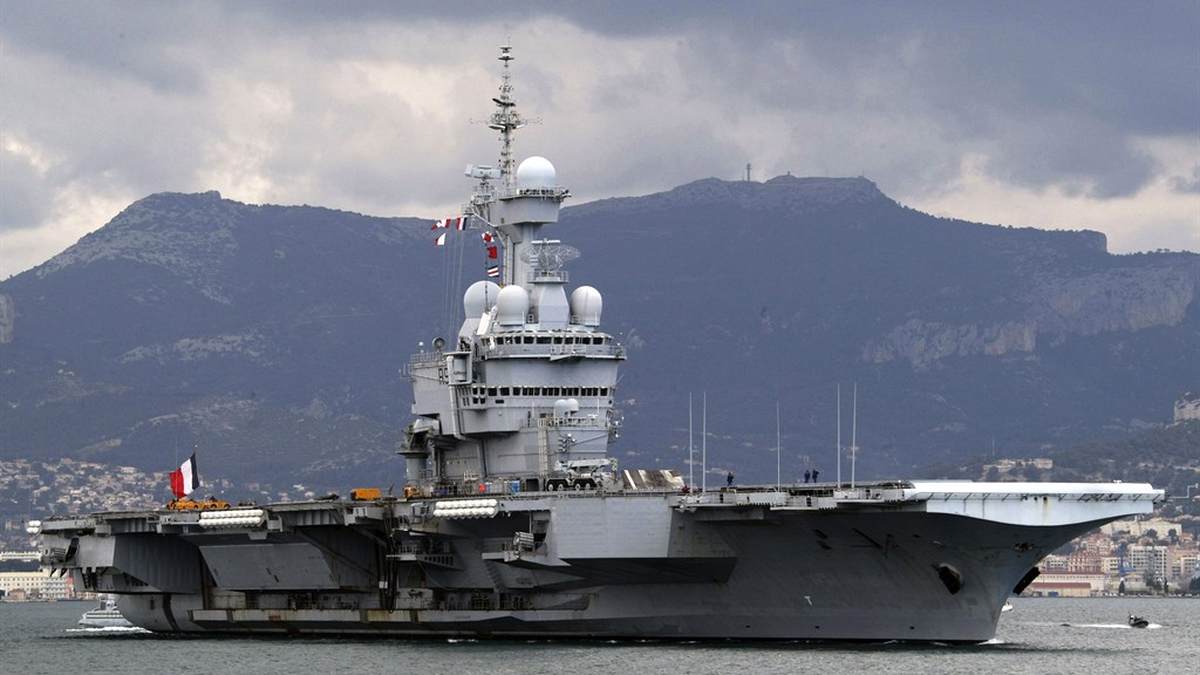
France has ordered its nuclear-powered aircraft carrier Charles de Gaulle and escort ships to transit south of the Suez Canal into the Red Sea and Gulf of Aden to pre-position for a potential French‑British mission to restore navigation in the Strait of Hormuz. Paris says the move is defensive, distinct from the U.S. ā€œProject Freedomā€ operation that was temporarily paused, and aims to shorten response time should conditions permit deployment. The initiative — organised by France and the UK and drawing participation from more than 40-50 countries — would only begin once two thresholds are met: the direct threat to shipping subsides and the maritime industry is reassured. French spokespeople stressed any operation would require agreement from neighbouring states, including Iran. The carrier group’s repositioning follows broad European planning since April, rising war‑risk insurance premiums (reported four to five times pre‑conflict levels), hundreds of stranded vessels and severe disruption to global energy flows. Paris says the deployment may help restore confidence among shipowners and insurers; President Emmanuel Macron has also raised the issue in diplomatic contacts with Iran and sought U.S. engagement.
India tests MIRV-capable Agni missile

šŸ·ļø DefensešŸŒ IndiašŸ”„ TrendingšŸ”— 8 sources7Digest ScoreiThis score reflects the story's reliability, bias neutrality, and public momentum.
India tests MIRV-capable Agni missile

šŸ“° Full Story

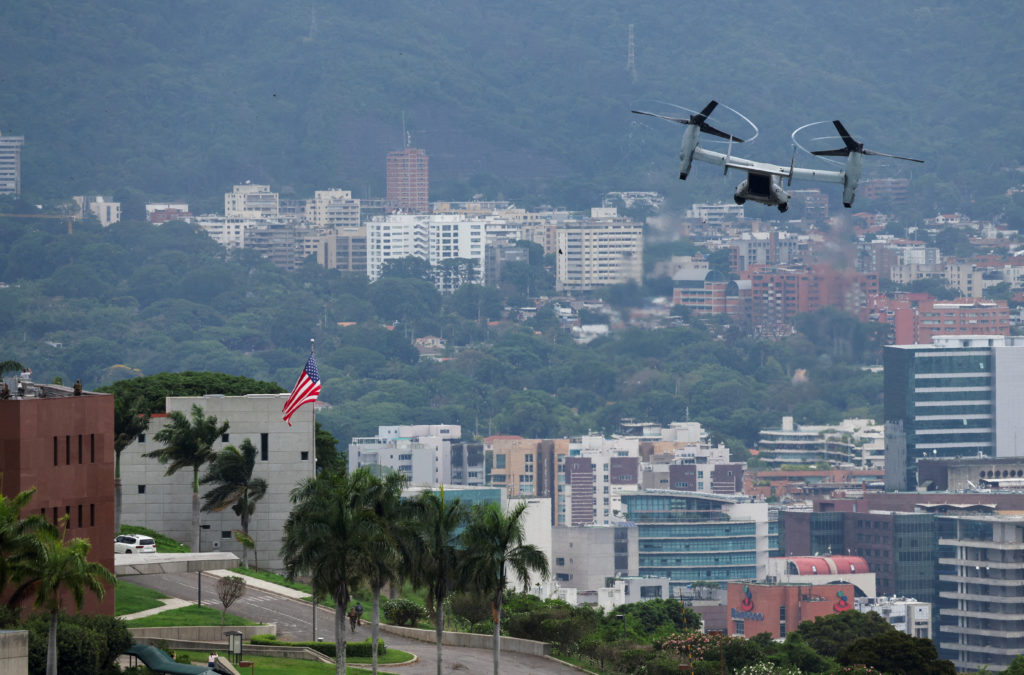
India conducted a successful flight trial of an advanced Agni ballistic missile equipped with Multiple Independently Targetable Re-entry Vehicle (MIRV) technology from Dr APJ Abdul Kalam Island off Odisha on May 8, 2026, the Defence Ministry said. The long‑range Agni-5 variant carried multiple payloads that were released to strike targets spatially distributed across the Indian Ocean region; integrated ground- and ship-based telemetry and tracking stations monitored the full trajectory and confirmed mission objectives were met. The trial, developed by the Defence Research and Development Organisation (DRDO) with industry partners and witnessed by senior scientists and Indian Army personnel, is a follow-on to an initial MIRV demonstration under ā€œMission Divyastraā€ in March 2024. Defence Minister Rajnath Singh congratulated DRDO and service partners, saying the capability will strengthen India’s preparedness and second‑strike deterrence. India joins a small group of states that have demonstrated operational MIRV technology, a step that expands the targeting flexibility and survivability of its strategic forces.

šŸ¤ Social Media Insights

Social Summary
1 / 5
The test signals technical maturation of MIRV delivery but does not by itself prove deployable ICBM capability. Independent verification of payload type (e.g., HGVs) is lacking; regional surveillance and diplomatic responses are likely to intensify.

India tests first indigenous glide weapon TARA

šŸ·ļø DefensešŸŒ IndiašŸ”— 6 sources3Digest ScoreiThis score reflects the story's reliability, bias neutrality, and public momentum.
India tests first indigenous glide weapon TARA

šŸ“° Full Story

India on May 7, 2026, successfully conducted the maiden flight-trial of TARA (Tactical Advanced Range Augmentation), its first indigenously developed modular glide weapon, off the coast of Odisha. The test was carried out jointly by the Defence Research and Development Organisation (DRDO) — led by Research Centre Imarat, Hyderabad — and the Indian Air Force. TARA is a range-extension kit that converts conventional unguided air-dropped warheads into precision-guided glide munitions using fibre‑optic gyro inertial navigation, multi‑GNSS guidance and electro‑optical/imaging‑infrared terminal seekers. Reported performance figures include glide speeds above 650 km/h, launch integration across altitudes of about 10,000–45,000 ft and stand-off reach in excess of 80 km (Adani/DRDO briefings suggest up to 80–100 km in some release profiles). The system is being produced with development‑cum‑production partners (including industry partners shown at Aero India), offered in multiple mass and accuracy variants, and designed for use from existing platforms such as Su- and indigenous fighters. Defence minister Rajnath Singh and DRDO leadership congratulated teams after the trial, and early production activity has commenced.

šŸ”— Based On

Deccan Chronicle - News Headlines | Today Headlines | Hyderabad News | English News | Top Stories | Breaking newsDRDO, IAF Test Indigenous Glide Weapon TARA

India appoints new CDS and naval chief

šŸ·ļø DefensešŸŒ IndiašŸ”„ TrendingšŸ”— 11 sources3Digest ScoreiThis score reflects the story's reliability, bias neutrality, and public momentum.
India appoints new CDS and naval chief

šŸ“° Full Story

India on May 9 appointed Lieutenant General N S Raja Subramani (retd) as the country’s next Chief of Defence Staff (CDS) and Vice Admiral Krishna Swaminathan as the new Chief of the Naval Staff, the Ministry of Defence and media reports said. General Anil Chauhan will complete his CDS tenure on May 30, after which Subramani — currently Military Adviser at the National Security Council Secretariat and a former Vice Chief of Army Staff and GOC-in-C Central Command — will assume charge and also serve as Secretary, Department of Military Affairs. Vice Admiral Swaminathan, presently Western Naval Commander, will take over as navy chief on May 31 when Admiral Dinesh K. Tripathi retires; his tenure is reported to run until Dec. 31, 2028. Both officers have decades-long service records and senior command, staff and academic credentials. The government said the appointments aim to ensure continuity at the top as India advances higher‑defence reforms, including plans for integrated theatre commands.

U.S. Pentagon won't confirm 'kamikaze dolphins' reports

šŸ·ļø DefensešŸŒ United StatesšŸ”— 6 sources1Digest ScoreiThis score reflects the story's reliability, bias neutrality, and public momentum.
U.S. Pentagon won't confirm 'kamikaze dolphins' reports

šŸ“° Full Story

U.S. defence officials this week declined to confirm or deny media reports that naval forces might be using — or facing — so‑called ā€œkamikaze dolphinsā€ amid rising tensions in the Strait of Hormuz. At a May 5 Pentagon briefing, Defence Secretary Pete Hegseth said he could not confirm whether the U.S. had such animals while asserting Iran did not. The exchange followed a Wall Street Journal report saying Tehran had considered arming dolphins or other marine mammals to attack ships, and subsequent online trolling including an AI‑generated ā€œdolphin bomberā€ image from an Iranian diplomatic account. Experts and fact‑checkers note militaries, including the U.S., Soviet Union, Russia and others, have long trained dolphins and sea lions for mine detection, object recovery and port protection through programs such as the Naval Information Warfare Center Pacific’s Marine Mammal Program. Historical claims that Iran bought Soviet dolphins in 2000 remain unproven and any animals from that era would likely be past service age. There is no verified evidence that dolphins are being used as weaponised ā€˜suicide’ platforms in current Iran‑U.S. confrontations, and the U.S. Navy has repeatedly said its marine mammals are used for surveillance, detection and recovery tasks, not to kill.

US disables Iran-flagged tanker breaching blockade

šŸ·ļø DefensešŸ”— 6 sources1Digest ScoreiThis score reflects the story's reliability, bias neutrality, and public momentum.
US disables Iran-flagged tanker breaching blockade

šŸ“° Full Story

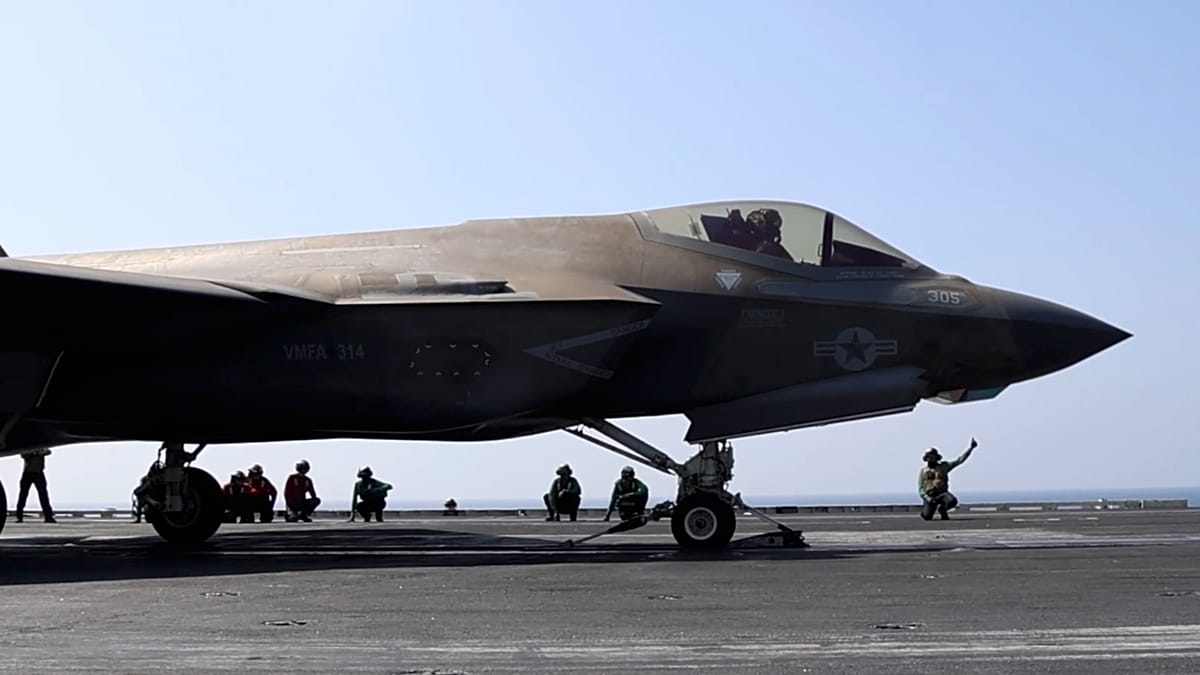
U.S. Central Command said on May 6, 2026, that American forces disabled the Iranian-flagged oil tanker M/T Hasna after it ignored repeated warnings while transiting international waters toward an Iranian port in the Gulf of Oman. A U.S. F/A-18 Super Hornet, launched from the aircraft carrier USS Abraham Lincoln, fired several rounds from a 20mm cannon and damaged the ship’s rudder, CENTCOM said, stopping the unladen vessel. The action is part of a U.S. naval blockade in effect since mid-April aimed at preventing ships from entering or leaving Iranian ports; CENTCOM says more than 50 commercial vessels have been directed to turn back. The incident follows previous interdictions, including strikes on the M/V Touska, and comes as Washington has briefly paused an escort operation called ā€œProject Freedomā€ amid reported, tentative talks with Tehran. U.S. officials stress forces acted after non-compliance; Iranian authorities have disputed U.S. claims in past incidents.
Explore more on NewsDigest