
📰 Full Story
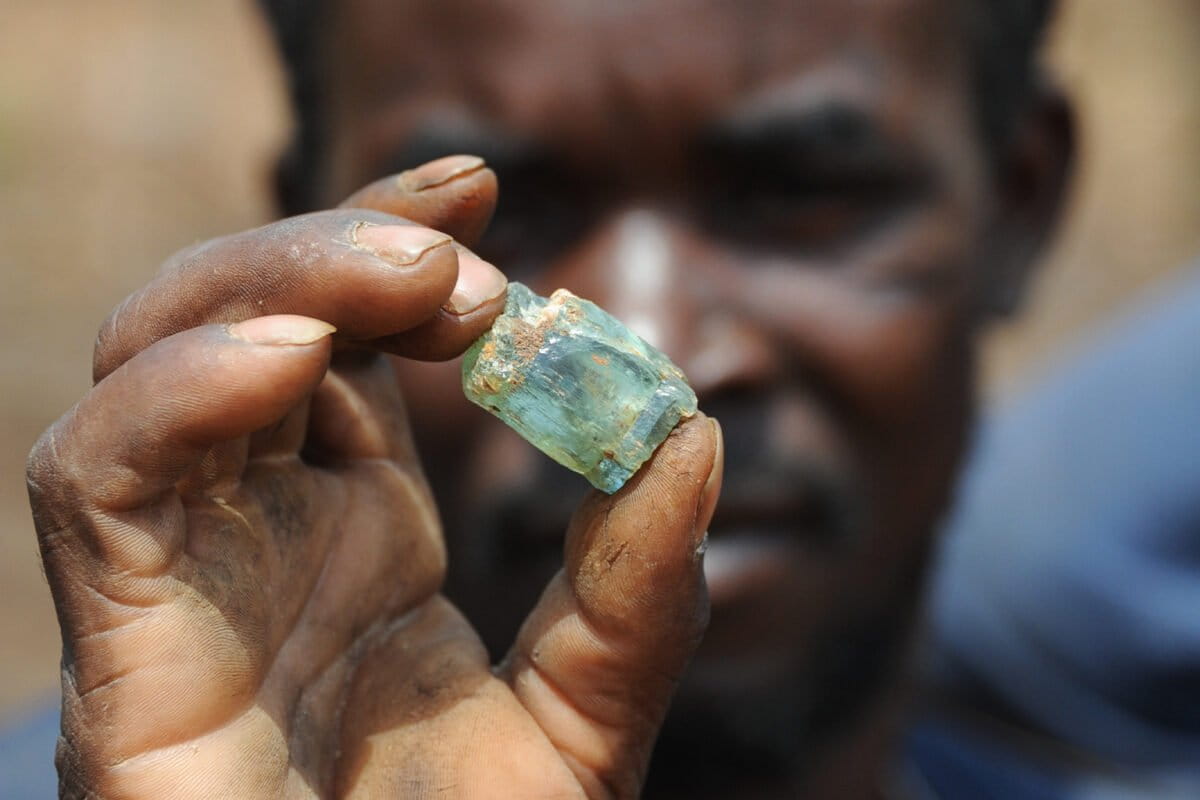
Colombia and Oman’s joint push for a binding global treaty to trace critical minerals stalled at the seventh U.N. Environment Assembly (UNEA-7) in Nairobi in December 2025, according to reporting this week.
The original proposal sought legally binding traceability and due‑diligence mechanisms across mineral supply chains to curb socio‑environmental harms from mining.
Delegates facing political, economic and national security objections narrowed the outcome to a three‑point nonbinding resolution focused on dialogue, cooperation and resource recovery from mining waste; explicit traceability measures were removed.
Observers warn full traceability is technically complex but crucial to prevent forest loss, water contamination and land grabs linked to rising demand for copper, nickel, cobalt and rare earths used in clean‑energy and defence sectors.
Colombia and Oman — both mineral producers — and NGOs say they will continue to press the issue ahead of UNEA‑8 in December 2027, even as competing initiatives emerge to speed investment in critical minerals.
Analysts highlight gaps in on‑site control, customs capacity and geological mapping that hinder current enforcement of supply‑chain claims.
🔗 Based On
Pioneering primatologist in Madagascar shares decades of conservation wisdomWhat’s happening with the global treaty to trace critical minerals?Aimee Gabay3 Feb 2026



















💬 Commentary