
📰 Full Story
Researchers at the National Dendrological Park Sofiyivka in Uman are scrambling to protect Ukraine’s rare endemic flora as Russian occupation cuts off access to key southern and Crimean research sites.
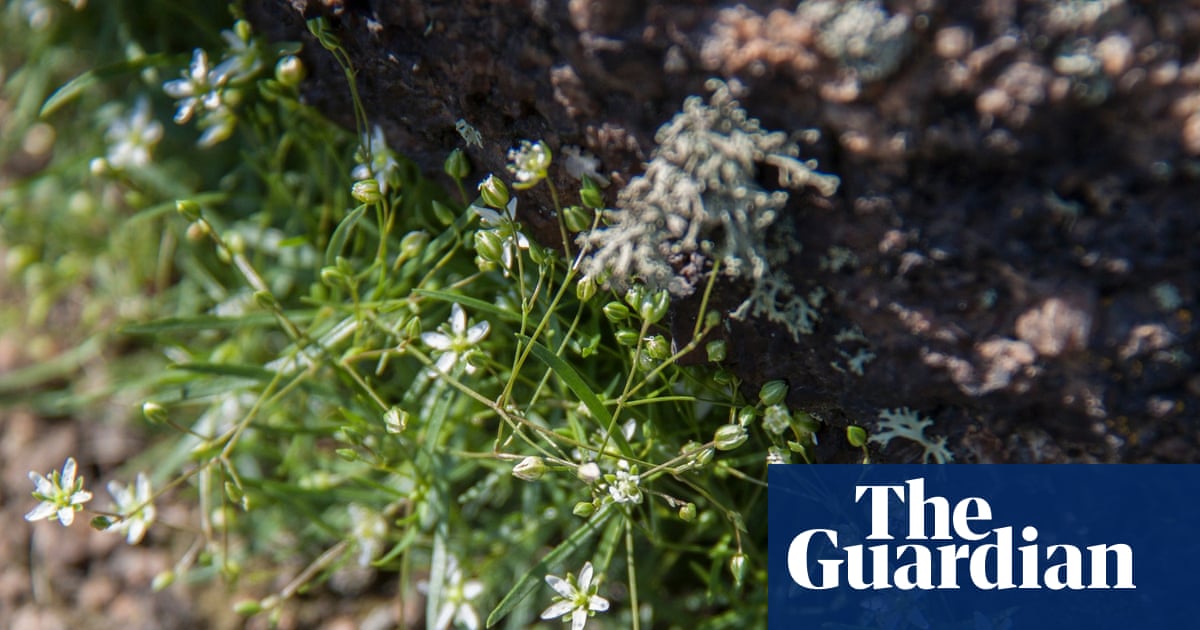
Botanist Larisa Kolder has used microclonal propagation to raise seedlings from just two viable Moehringia hypanica plants grown from 23 seeds, producing about 80 seedlings now maintained amid frequent power outages.
Longstanding centres of botanical research — notably the Nikitsky Botanical Garden in Crimea and the Nova Kakhovka station in Kherson — have been lost to occupation since 2014 and 2022, severing collaboration and leaving many collections and field sites inaccessible.
Conservationists warn that roughly 40% of Ukraine’s agricultural land and many of its largest reserves, including the Askania-Nova steppe, are under occupation, heavily mined or damaged.
Ukrainian scientists are documenting environmental destruction as potential "ecocide" for future legal action at the International Criminal Court.
With staff conscripted or serving at the front and laboratories operating under intermittent power, ex situ efforts at remaining institutes like Sofiyivka have become critical to prevent irreversible loss of species that, despite Ukraine’s small land area, account for a large share of Europe’s biodiversity.








💬 Commentary