
📰 Full Story
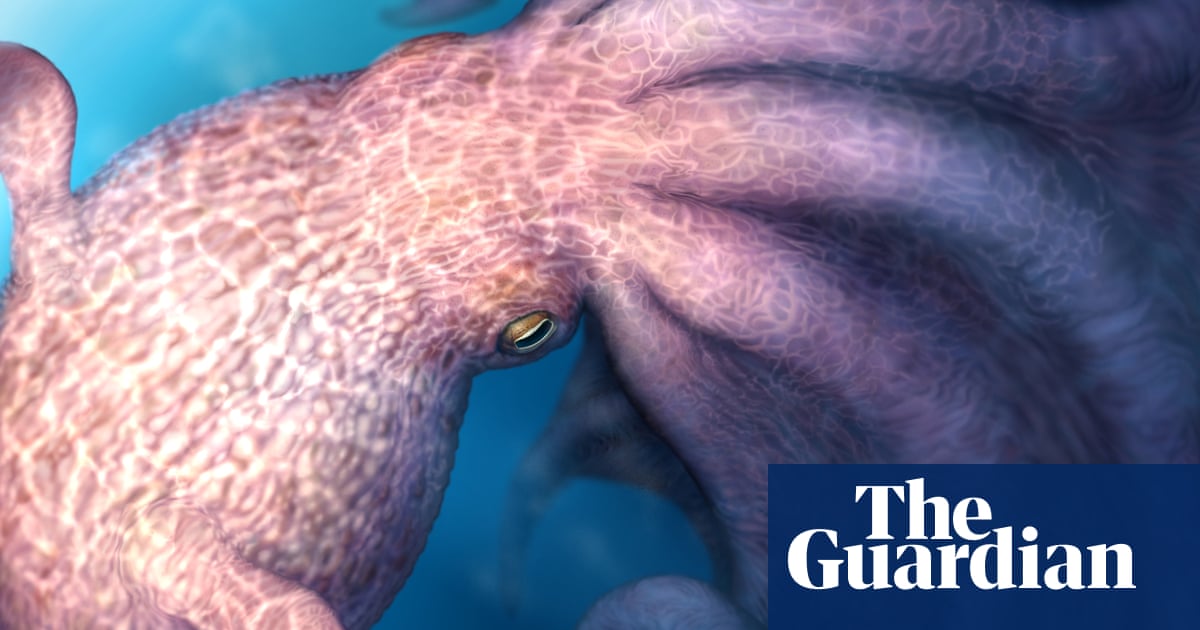
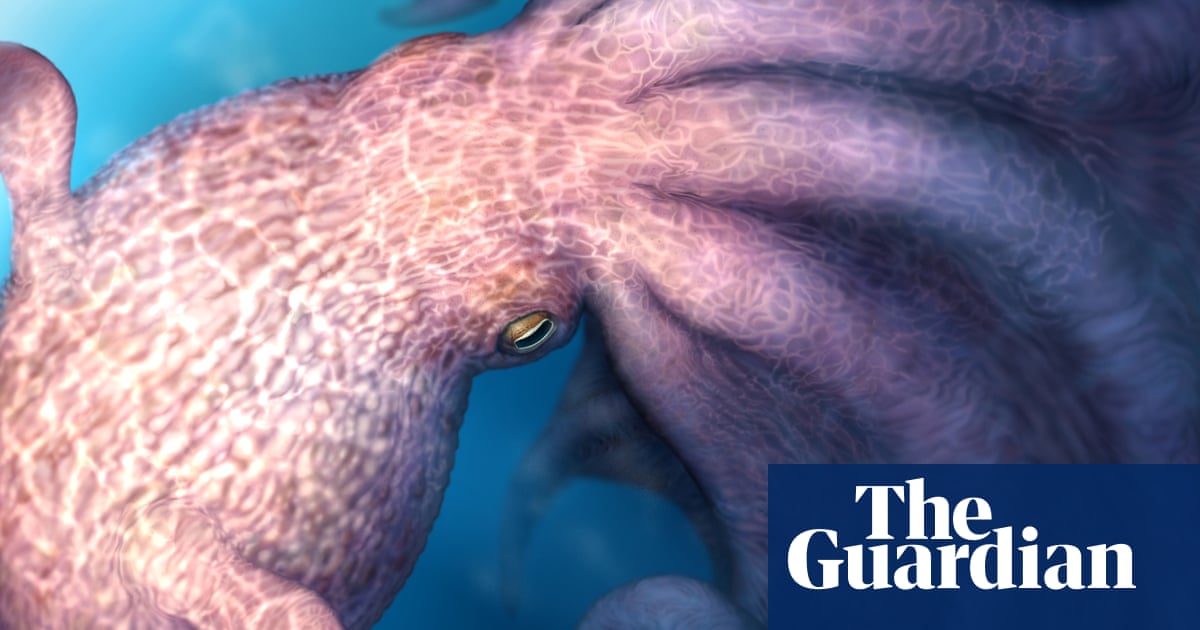
An international team led by researchers at Hokkaido University reports evidence that enormous, kraken-like octopuses were apex predators in Late Cretaceous oceans.
Published in Science on April 23, 2026, the study re-examined 27 fossilized cephalopod beaks from marine sediments in Japan and Canada’s Vancouver Island and reassigned them to two species, Nanaimoteuthis jeletzkyi and the much larger N. haggarti.
Using comparisons with modern finned octopuses, digital “fossil‑mining” and AI-assisted imaging, the team estimates N. haggarti could have reached roughly 7–19 metres in total length.
Consistent, heavy wear on the beaks indicates routine crushing of hard prey—shells and bones—while asymmetric wear suggests lateralized (handed) behaviour indicative of advanced neural control.
The findings imply giant octopuses may have competed with mosasaurs, plesiosaurs and large sharks for top‑tier predator roles in seas between about 100 and 72 million years ago, challenging the view that vertebrates exclusively dominated Cretaceous marine food webs.





💬 Commentary