NewsDigest
Scroll down to see the latest Wildlife News

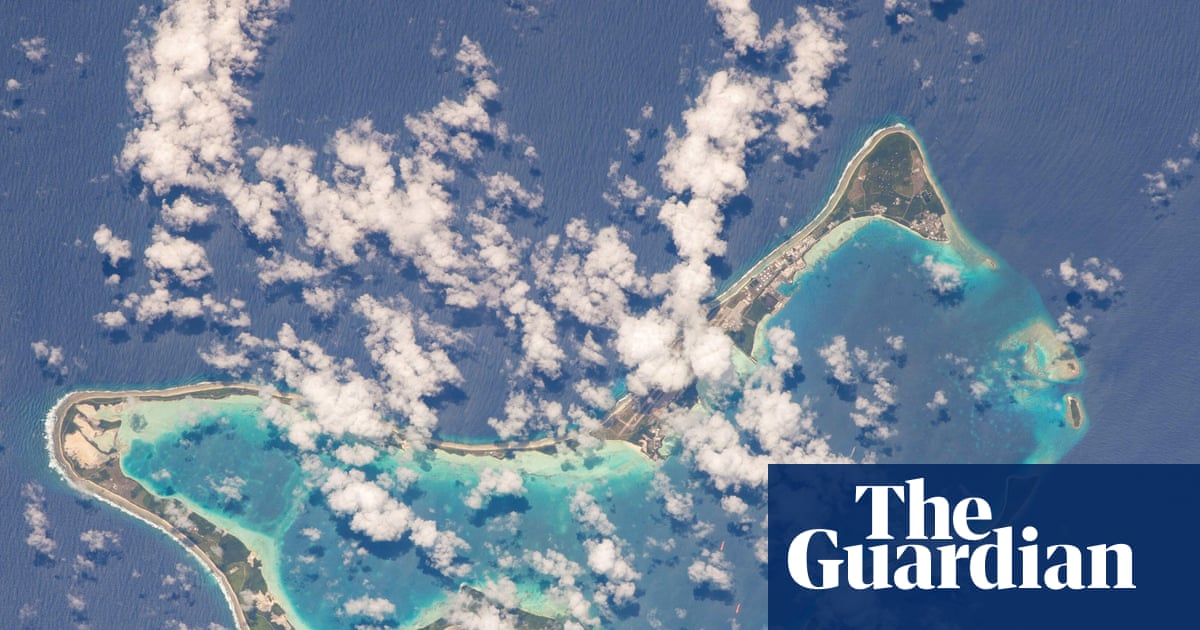
Plan to allow fishing around Chagos Islands

🏷️ Wildlife🌍 Mauritius🔥 Trending📅 02/04/2026, 01:27:55🔗 4 sources46Digest ScoreiThis score reflects the story's reliability, bias neutrality, and public momentum.
Plan to allow fishing around Chagos Islands

📰 Full Story

The UK government’s agreement to return the Chagos archipelago to Mauritius includes plans to allow limited, non-commercial fishing in the marine protected area (MPA) for the first time since the 2010 no-take designation, conservationists warned on Feb. 3, 2026. The Chagos MPA, covering about 247,000 sq miles (640,000 sq km), is home to abundant coral, 800 fish species, more than 50 shark species and many IUCN red-list species. Media reports and a Foreign Office statement say Mauritius intends to permit artisanal and small-scale “sustainable” fishing across most of the zone while excluding waters around the US-UK military base on Diego Garcia. Chagossian campaigners support fishing rights as part of resettlement, but scientists and NGOs including National Geographic’s Pristine Seas and the Zoological Society of London warn opening almost 99% of the MPA risks eroding a globally significant “fish bank.” Labour MP Emily Thornberry and other critics have called for legally binding protections and clearer enforcement arrangements; commentators express concern about Mauritius’s capacity to police illegal or commercial fishing. The UK says it remains committed to protecting the area and combating illegal fishing; Mauritius has yet to detail enforcement funding and mechanisms.
John Barkham, pioneering UEA ecologist, dies

🏷️ Wildlife🌍 United Kingdom📅 02/05/2026, 07:26:38🔗 3 sources55Digest ScoreiThis score reflects the story's reliability, bias neutrality, and public momentum.
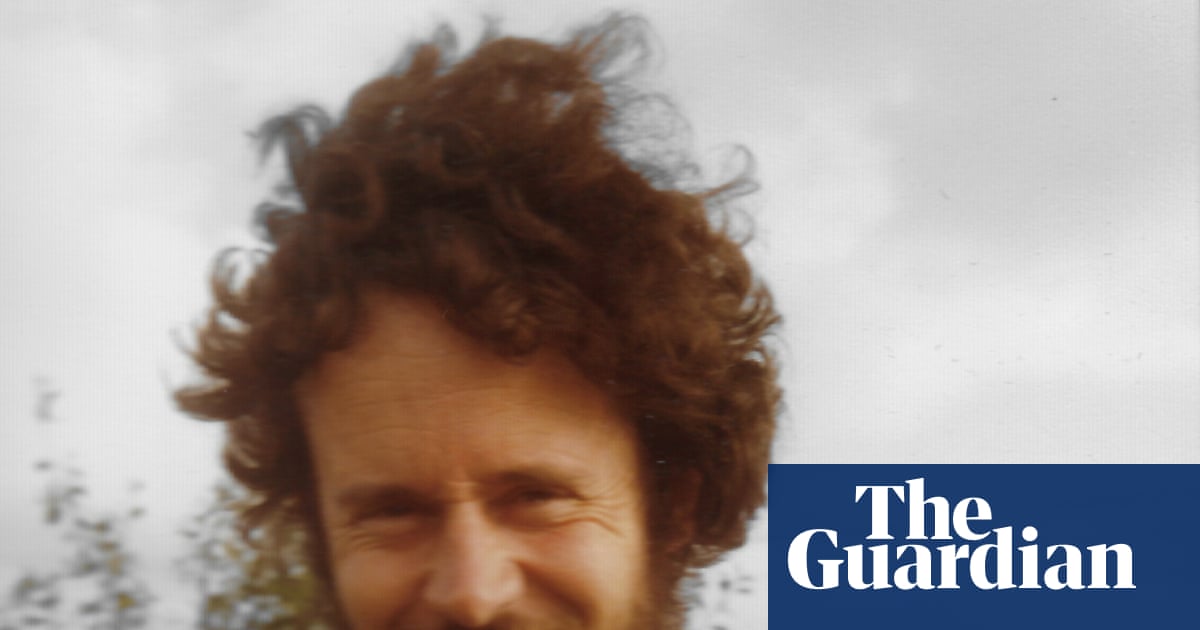
John Barkham, pioneering UEA ecologist, dies

📰 Full Story

John Barkham, a pioneering ecologist who helped establish the University of East Anglia’s School of Environmental Sciences, has died aged 82. Barkham joined UEA in 1969 as its first ecologist and taught for more than three decades, known for experimenting with student-centred teaching influenced by the person‑centred psychologist Carl Rogers. From 1996 he worked as an assessor for the Quality Assurance Agency. Born in Taunton, Somerset, he took a first in geography at Birmingham University in 1963 and completed a doctorate on Cotswold beechwood flora. He chaired the Norfolk Wildlife Trust (leading a modernisation of its name), served on Butterfly Conservation’s conservation committee, promoted a woodland co‑operative and helped create productive community allotments. He moved to Devon in 1999, later returned to Norfolk in 2023, and endured Lewy body dementia and advanced prostate cancer in later years. Barkham is survived by his partner, Barbara Rowland, two children and five grandchildren.

Hat Yai reels after devastating November floods

🏷️ Wildlife🌍 Thailand📅 02/05/2026, 06:13:14🔗 2 sources61Digest ScoreiThis score reflects the story's reliability, bias neutrality, and public momentum.
Hat Yai reels after devastating November floods

📰 Full Story

Hat Yai, the largest city in southern Thailand, is still rebuilding after two waves of intense rainfall in November 2025 produced about 630 mm of rain in three days and sent floodwaters up to 3–4 metres across much of the city and as high as 8 metres in low-lying areas. Power, phone networks and roads were knocked out, leaving many residents stranded and forcing improvised sheltering with neighbours for days. Local early-warning systems showed a green status before the second, far more severe surge, and rescue teams struggled to reach inundated districts amid strong currents and submerged landmarks. Many households lost all possessions, vehicles and income sources; sanitation collapsed in some shelters and government compensation has been limited. The report highlights longstanding poor urban planning and drainage, repeated flood history (notably 2000 and 2010), and the heightened risk from La Niña conditions and a changing climate. Recovery is ongoing, with concerns that without significant upgrades to warning systems, infrastructure and planning, Hat Yai remains vulnerable to future extreme rainfall events.

Nepal dam plan threatens Tamang community

🏷️ Wildlife🌍 Nepal📅 02/05/2026, 06:12:42🔗 2 sources61Digest ScoreiThis score reflects the story's reliability, bias neutrality, and public momentum.
Nepal dam plan threatens Tamang community

📰 Full Story

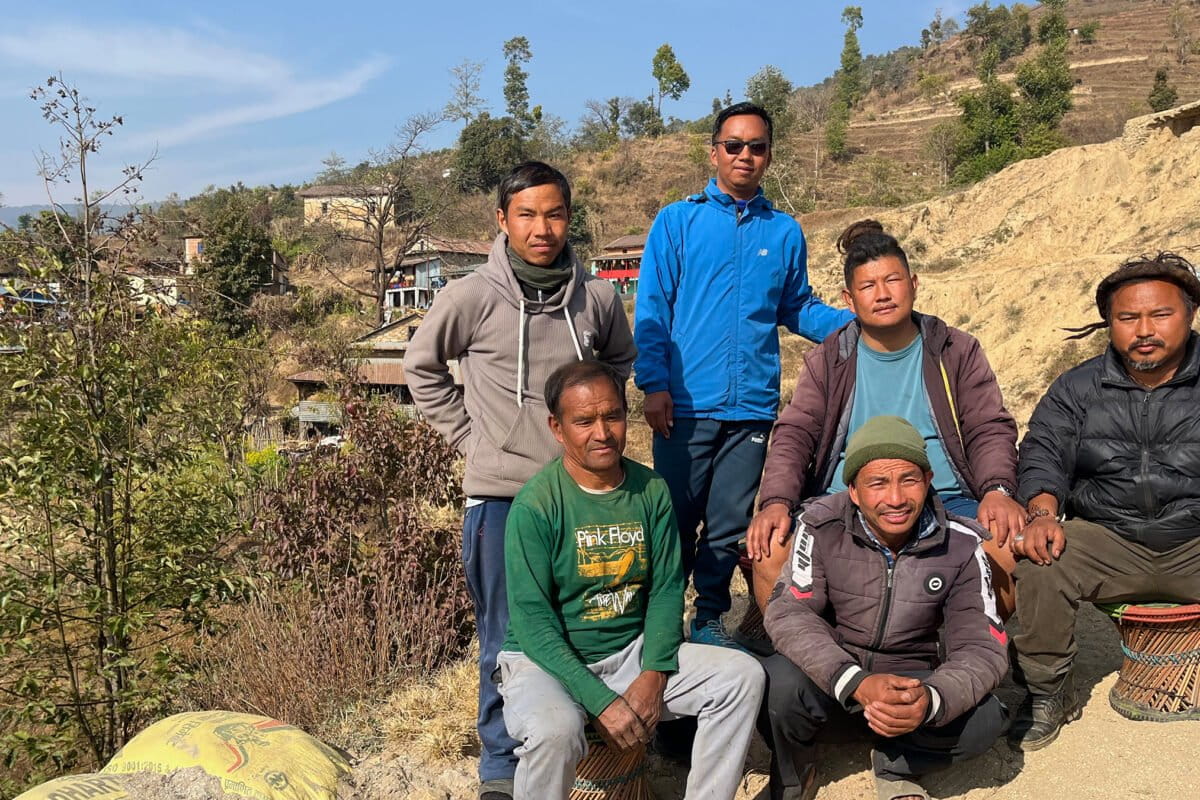
The proposed Nagmati Dam near Mulkharka on the northern edge of Kathmandu has provoked strong opposition from the local Tamang community, who say they only learned of detailed plans in 2023. The government‑backed $190 million project, endorsed in 2024, would build a 95‑metre barrier on the Nagmati stream and inundate about 50.7 hectares to store monsoon runoff for dry‑season release and generate power. Officials say it would help revive the Bagmati River and ease Kathmandu’s chronic water shortages, but residents and experts warn of major social and environmental costs: estimates put tree felling at as many as 80,000 trees, loss of grazing land, medicinal plants and ritual sites, and increased human‑wildlife conflict. Engineers have criticised the environmental impact assessment as weak and highlighted seismic vulnerability and potential catastrophic downstream flooding if the dam fails. Mulkharka, inside Shivapuri Nagarjun National Park and home to a majority Tamang population, is pushing to make the dam an issue in Nepal’s March 2026 parliamentary elections, demanding community consent and accountability.

Parents attend K’gari ceremony after Piper’s death

🏷️ Wildlife🌍 Australia🔥 Trending📅 02/05/2026, 04:43:36🔗 10 sources65Digest ScoreiThis score reflects the story's reliability, bias neutrality, and public momentum.
Parents attend K’gari ceremony after Piper’s death

📰 Full Story

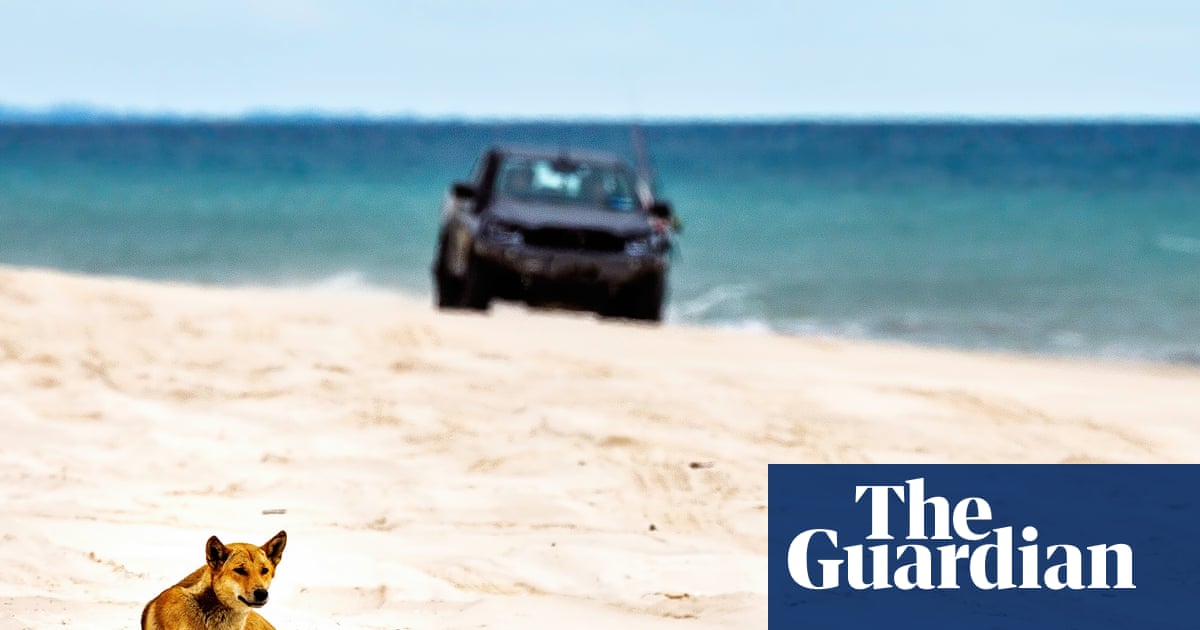
The parents of 19-year-old Canadian backpacker Piper James travelled to K’gari (Fraser Island), Queensland, this week to participate in a traditional Butchulla smoking ceremony at the beach where her body was found on Jan. 19. James, who had been working at a hostel on the World Heritage-listed island, was discovered surrounded by a pack of dingoes; a preliminary coroner’s assessment found physical evidence consistent with drowning and injuries consistent with dingo bites, though experts said the bites alone were unlikely to be fatal. The family will return to Canada this week with her remains and plan a celebration of life on Feb. 28. Queensland rangers have euthanised multiple dingoes implicated in the incident — reports indicate between six and eight animals — a move that has drawn criticism from traditional owners and conservation scientists who warn the island’s isolated dingo population (fewer than 200 individuals) faces genetic risks. The Coroners Court of Queensland is continuing pathology testing to conclusively determine cause of death, a process expected to take several weeks.

South Carolina refuge protects endangered turtles

🏷️ Wildlife🌍 United States📅 02/05/2026, 04:20:48🔗 2 sources60Digest ScoreiThis score reflects the story's reliability, bias neutrality, and public momentum.
South Carolina refuge protects endangered turtles

📰 Full Story

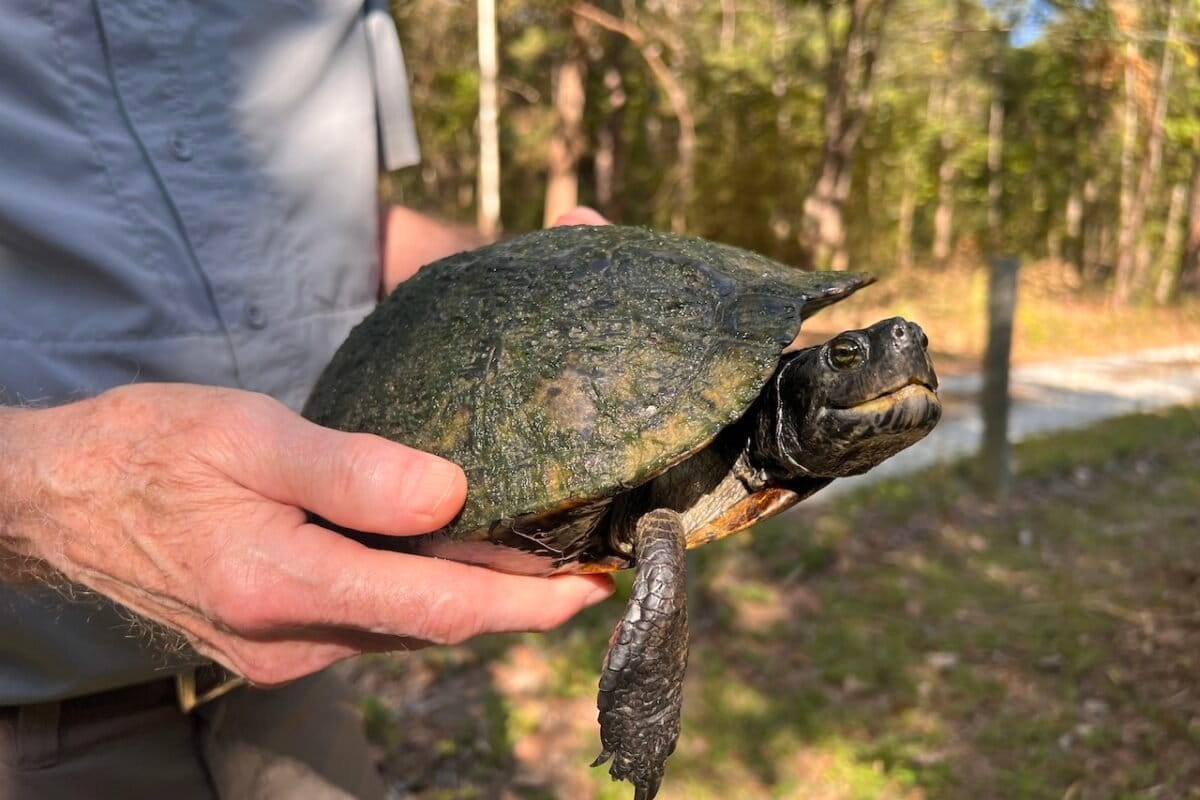
On Feb. 5, 2026, Mongabay highlighted the Turtle Survival Center in South Carolina, a high-security refuge and breeding facility run by the Turtle Survival Alliance that was founded in 2013 to “buy time” for the world’s rarest freshwater turtles and tortoises. The center houses hundreds of animals and maintains genetically valuable “founder” individuals, breeds species that have been extirpated from their native ranges, and runs an intensive training programme, Turtle School, for zoo and rescue staff. Its work responds to a global crisis—more than half of turtle and tortoise species are threatened—driven by habitat loss, infrastructure development, and wildlife trafficking, particularly in Asia. The centre supports confiscation responses, quarantine and husbandry best practices, and aims for eventual reintroductions, while acknowledging that captive assurance colonies are not a substitute for intact habitat and stronger enforcement in source countries.

Florida cold snap leaves iguanas falling from trees

🏷️ Wildlife🌍 United States🔥 Trending📅 02/05/2026, 04:00:42🔗 7 sources68Digest ScoreiThis score reflects the story's reliability, bias neutrality, and public momentum.
Florida cold snap leaves iguanas falling from trees

📰 Full Story

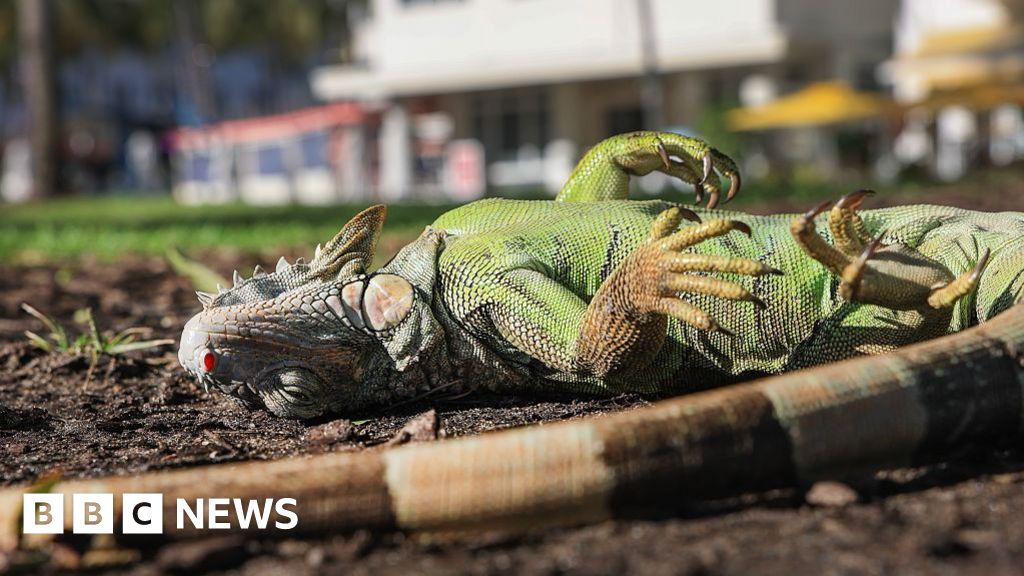
A rare Arctic blast across Florida in early February 2026 left thousands of green iguanas “cold‑stunned,” immobile and tumbling from trees, prompting an unprecedented public response and a temporary change in state rules. Video and social media captured rigid lizards on lawns and sidewalks as overnight temperatures plunged into the 20s–30s Fahrenheit (single digits Celsius); Orlando recorded near‑historic lows. The Florida Fish and Wildlife Conservation Commission (FWC) issued an executive order allowing residents to collect cold‑stunned iguanas and deliver them to designated drop‑off points for humane disposal or transfer. Officials reported more than 2,000 animals handed in during the first days of the response; private trappers said they collected several thousand more. Wildlife managers warned the public that many iguanas can recover quickly and may be defensive, and they provided handling guidance. Authorities framed the effort as both a safety measure and an opportunity to remove an invasive species estimated to number in the hundreds of thousands to over a million in the state.

U.S. courts clear five halted offshore wind projects

🏷️ Wildlife🌍 United States🔥 Trending📅 02/05/2026, 24:46:03🔗 18 sources63Digest ScoreiThis score reflects the story's reliability, bias neutrality, and public momentum.
U.S. courts clear five halted offshore wind projects

📰 Full Story

Federal courts this week have cleared all five offshore wind projects that were suspended by the U.S. Department of the Interior’s Dec. 22 stop-work order, allowing construction to resume while underlying lawsuits proceed. The final injunction was granted to Denmark’s Ørsted for the 924 MW Sunrise Wind off New York after U.S. District Judge Royce Lamberth found developers faced irreparable harm from delays, including the potential loss of a specialized cable‑laying vessel. Earlier rulings restored work at Vineyard Wind (about 800 MW, offshore Massachusetts), Revolution Wind (700 MW, Rhode Island), Empire Wind (2 GW, New York) and the 2.6 GW Coastal Virginia Offshore Wind. Developers say the pause, justified by the Interior on vaguely described national security grounds, caused major daily costs and operational disruption — Ørsted cited more than $1.25 million per day in losses on Sunrise and $7 billion committed to the project overall. The Interior Department has declined comment because litigation is pending. Industry groups and state officials welcomed the rulings but warned that the injunctions are temporary and that the administration’s continued classified security claims and broader policy shifts have already raised long‑term financing, scheduling and permitting risks for U.S. offshore wind.

🔗 Based On

Utility and Energy Transmission & Distribution News | Utility DiveAnna Moneymaker via Getty Images
Utility and Energy Transmission & Distribution News | Utility DiveTrump administration is now 0-5 in latest effort to halt offshore wind

Bird visitations console the bereaved across Europe

🏷️ Wildlife📅 02/05/2026, 24:45:35🔗 8 sources56Digest ScoreiThis score reflects the story's reliability, bias neutrality, and public momentum.
Bird visitations console the bereaved across Europe

📰 Full Story

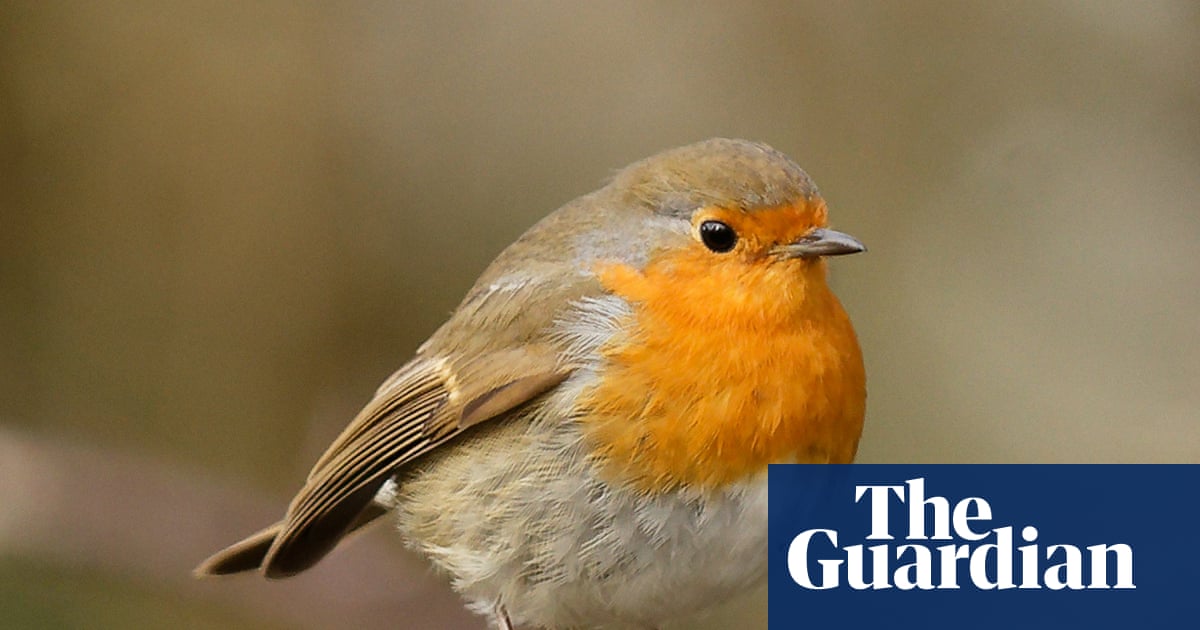
A cluster of personal columns and readers’ letters published in late January and early February 2026 recount multiple episodes in which birds and other wildlife appeared to comfort people after the loss of loved ones. Amy-Jane Beer’s Country Diary (The Guardian, Jan. 27) describing bird ‘visitations’ after her sister’s death prompted dozens of responses: readers in England described robins perching on graves or entering homes, foxes pausing at doorways, nightingales and starlings arriving at poignant moments. Separately, a Feb. 4 Euro Weekly News essay by Santiago Carneri recalled his sister’s death from childhood neuroblastoma and linked avian visitations with memory and mourning on World Cancer Day, while highlighting concerns about pediatric cancer research in Spain. The pieces emphasise recurring motifs — robins, starlings and foxes — and the consolation people take from interpreting wildlife encounters as symbolic gestures during bereavement. Several contributors noted the timing of songs or animal appearances at funerals and anniversaries, reinforcing the cultural resonance of nature as a source of solace.

Global map pins 816 shark and ray areas

🏷️ Wildlife📅 02/05/2026, 24:37:19🔗 2 sources56Digest ScoreiThis score reflects the story's reliability, bias neutrality, and public momentum.
Global map pins 816 shark and ray areas

📰 Full Story

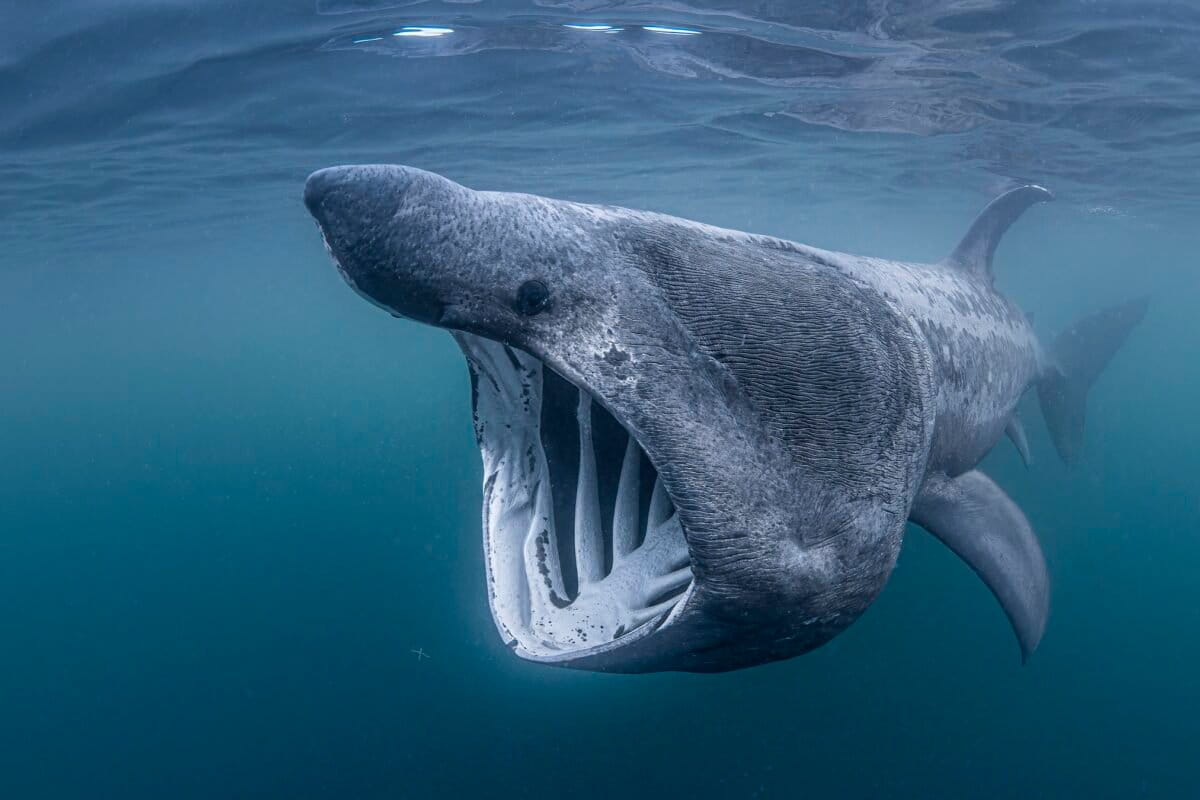
A new IUCN report and public online atlas identifies 816 Important Shark and Ray Areas (ISRAs) where protections could help recover declining shark and ray populations. The Ocean Travellers report, published in December and announced in January, covers nine of 13 ocean regions to date and maps sites that support reproduction, feeding, aggregation or migration for 327 species, including 42 species already protected under the Convention on the Conservation of Migratory Species (CMS). The ISRAs occupy less than 3% of ocean surface in the regions assessed, suggesting targeted area-based measures could be achievable. Examples include three ISRAs for the critically endangered green sawfish in the Red Sea off Sudan, 27 small ISRAs across the Maldives and a large ISRA south of Hawai‘i the size of Colombia designated for bigeye thresher sharks. The project began in 2021, with the remaining four regions’ data due later in 2026. Authors say the atlas is intended to inform national and multilateral policy ahead of the CMS meeting in Brazil in March and to dovetail with other important-area mapping such as CBD ecologically significant areas.

Parents farewell Piper James as dingo cull continues

🏷️ Wildlife🌍 Australia🔥 Trending📅 02/04/2026, 23:04:34🔗 5 sources57Digest ScoreiThis score reflects the story's reliability, bias neutrality, and public momentum.
Parents farewell Piper James as dingo cull continues

📰 Full Story

The parents of 19-year-old Canadian backpacker Piper James travelled to Queensland to visit K’gari (Fraser Island) and take part in a traditional Butchulla smoking ceremony near the SS Maheno wreck after their daughter’s body was found early on 19 January. A Queensland coroner’s preliminary assessment reported physical evidence consistent with drowning and injuries consistent with dingo bites, but noted pre‑mortem dingo bites were unlikely to have been immediately fatal; full pathology results are pending. In response to the incident, Queensland rangers identified a pack of about 10 dingoes as an "unacceptable public safety risk" and have humanely euthanised eight, with one outstanding. Scientists and dingo specialists warn the removal risks pushing K’gari’s isolated dingo population, estimated under 200 individuals, into an "extinction vortex" because of low genetic diversity and inbreeding. Butchulla traditional owners say they were not consulted and consider the canids sacred (wongari). The episode has reignited debate over visitor management, safety rules, and coexistence policies on the World Heritage island, which receives hundreds of thousands of tourists annually.

Study: Listening to birdsong reduces stress

🏷️ Wildlife🌍 Germany🔥 Trending📅 02/04/2026, 22:23:51🔗 4 sources52Digest ScoreiThis score reflects the story's reliability, bias neutrality, and public momentum.
Study: Listening to birdsong reduces stress

📰 Full Story

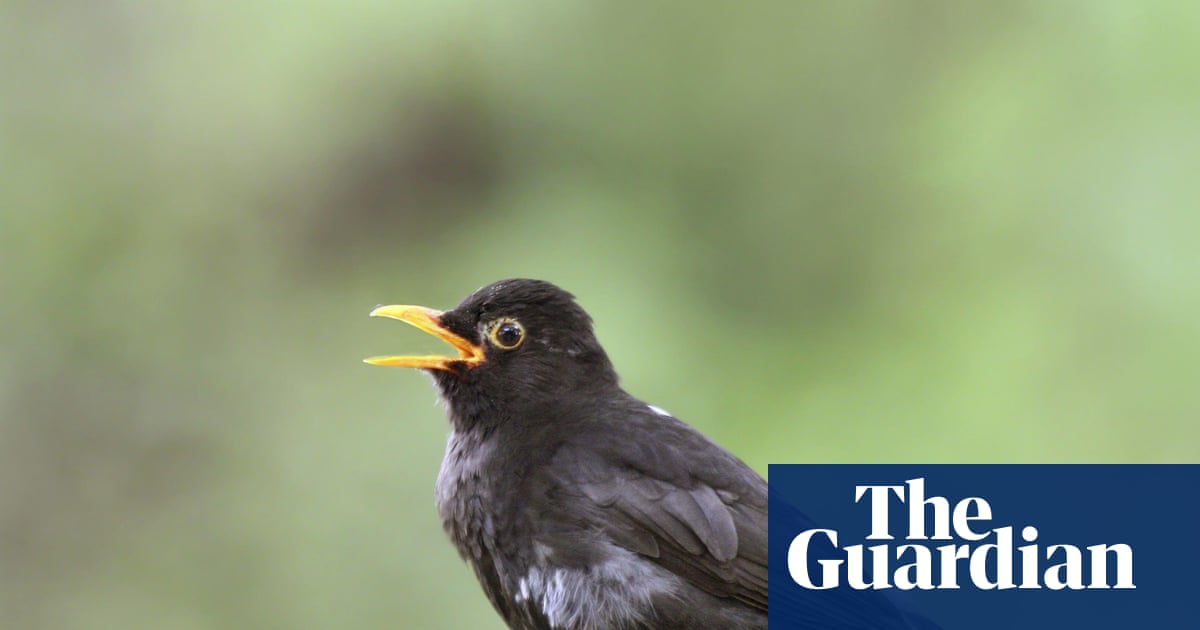
A German study led by Christoph Randler at the University of Tübingen found that attending to birdsong during a 30-minute park walk measurably lowered physiological stress markers. Volunteers walked through a park where loudspeakers played rare bird calls, experienced natural birdsong, or wore noise-cancelling headphones; half of participants in each condition were instructed to pay attention to bird vocalisations. Researchers measured blood pressure, heart rate and cortisol levels before and after the walk and reported in Landscape and Urban Planning that all groups showed reductions in these stress measures, indicating benefit from the walk itself. Crucially, participants who were asked to pay attention to birdsong recorded greater improvements than those who did not, while playback of rare species did not outperform natural ambient bird sounds. The findings, published 4 February 2026, suggest focused listening to common bird calls can enhance wellbeing during short urban green-space visits.

Multi-species seagrass restoration boosts recovery in Malaysia

🏷️ Wildlife🌍 Malaysia📅 02/04/2026, 15:17:19🔗 2 sources55Digest ScoreiThis score reflects the story's reliability, bias neutrality, and public momentum.
Multi-species seagrass restoration boosts recovery in Malaysia

📰 Full Story

A decade-long restoration and monitoring programme at Merambong Shoal, off Johor Bahru in Peninsular Malaysia, has achieved substantial seagrass recovery after damage caused by 2014 dredging linked to a large land‑reclamation ‘Forest City’ project. Researchers from Universiti Putra Malaysia, working with developer Country Garden Pacificview, ran the project from 2015–2025 and used a mix of fast‑growing seagrass species cultivated and transplanted to degraded plots. Some recovery plots recorded survival rates of about 66%, and as transplanted meadows stabilised the team observed natural recolonisation by other seagrass species and a rebound in animal communities — including four new species records and more than 100 invertebrate species. The study highlights key success factors: detailed knowledge of local seagrass biology, adapting planting methods to site conditions, using multi‑species mixes, addressing original drivers of decline and maintaining long‑term post‑planting care and monitoring. Authors note Malaysia lacks comprehensive seagrass mapping and warn that coastal development, dredging, runoff, anchoring and storms remain major threats. They suggest the approach may offer a template for seagrass restoration across the wider Indo‑Pacific if sustained funding and regulation are secured.

Suspected bird flu outbreak kills swans in Thames Valley

🏷️ Wildlife🌍 United Kingdom📅 02/04/2026, 14:57:52🔗 2 sources47Digest ScoreiThis score reflects the story's reliability, bias neutrality, and public momentum.
Suspected bird flu outbreak kills swans in Thames Valley

📰 Full Story

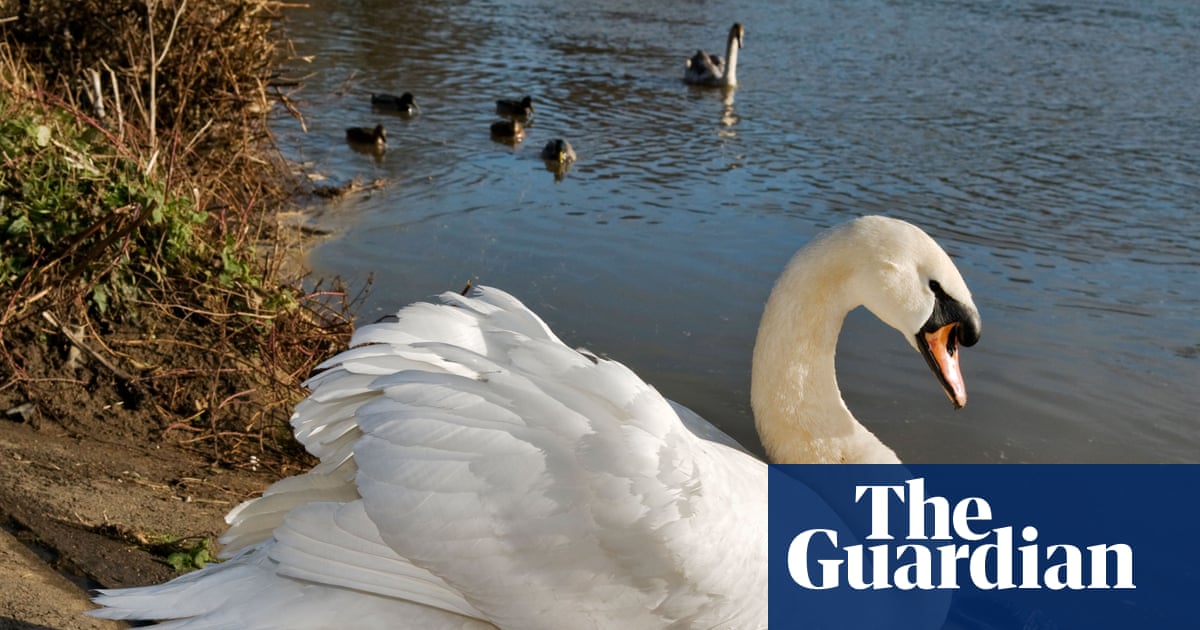
Charity volunteers and members of the public are racing to contain a suspected outbreak of highly pathogenic avian influenza (H5N1) among swans in England's Thames Valley, after local groups reported dozens of dead birds in recent weeks. Since October, the Animal and Plant Health Agency (APHA) has recorded 324 cases of bird flu in swans nationwide, with 39 of those confirmed in the first four weeks of 2026. Swan Support reported 46 dead swans in Windsor and Maidenhead since Jan. 17 and a further 26 in Newbury; some carcasses have been sent to the Department for Environment, Food and Rural Affairs (Defra) for testing. Observed symptoms include lethargy, bleeding from the eyes and erratic movement. APHA said a number of swans in the area have tested positive for highly pathogenic avian influenza and warned the public not to touch dead or visibly sick birds, advising thorough hand-washing after contact with wild bird faeces, feathers or feeding sites. Volunteers have been removing carcasses from waterways to limit spread. Since 2021 the H5N1 strain has devastated UK bird populations and authorities say official figures may understate the true scale of mortality locally.

Ukrainian botanists race to save rare plants

🏷️ Wildlife🌍 Ukraine📅 02/04/2026, 12:15:08🔗 2 sources46Digest ScoreiThis score reflects the story's reliability, bias neutrality, and public momentum.
Ukrainian botanists race to save rare plants

📰 Full Story

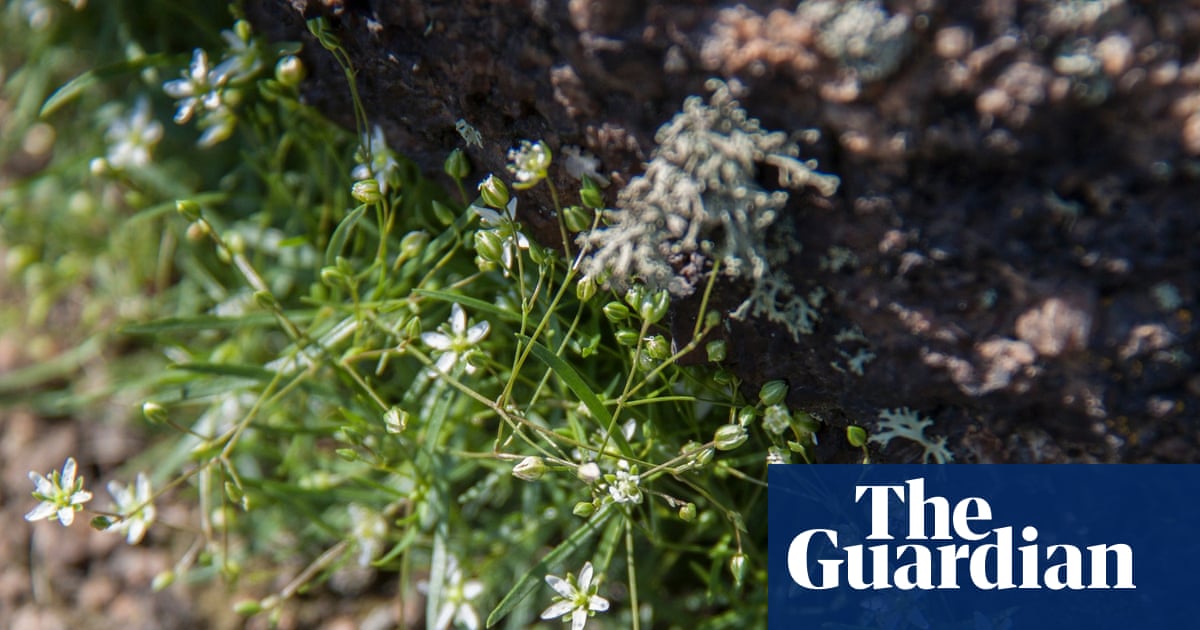
Researchers at the National Dendrological Park Sofiyivka in Uman are scrambling to protect Ukraine’s rare endemic flora as Russian occupation cuts off access to key southern and Crimean research sites. Botanist Larisa Kolder has used microclonal propagation to raise seedlings from just two viable Moehringia hypanica plants grown from 23 seeds, producing about 80 seedlings now maintained amid frequent power outages. Longstanding centres of botanical research — notably the Nikitsky Botanical Garden in Crimea and the Nova Kakhovka station in Kherson — have been lost to occupation since 2014 and 2022, severing collaboration and leaving many collections and field sites inaccessible. Conservationists warn that roughly 40% of Ukraine’s agricultural land and many of its largest reserves, including the Askania-Nova steppe, are under occupation, heavily mined or damaged. Ukrainian scientists are documenting environmental destruction as potential "ecocide" for future legal action at the International Criminal Court. With staff conscripted or serving at the front and laboratories operating under intermittent power, ex situ efforts at remaining institutes like Sofiyivka have become critical to prevent irreversible loss of species that, despite Ukraine’s small land area, account for a large share of Europe’s biodiversity.

Brazil declares açaí national fruit to curb biopiracy

🏷️ Wildlife🌍 Brazil📅 02/04/2026, 10:42:50🔗 2 sources53Digest ScoreiThis score reflects the story's reliability, bias neutrality, and public momentum.
Brazil declares açaí national fruit to curb biopiracy

📰 Full Story

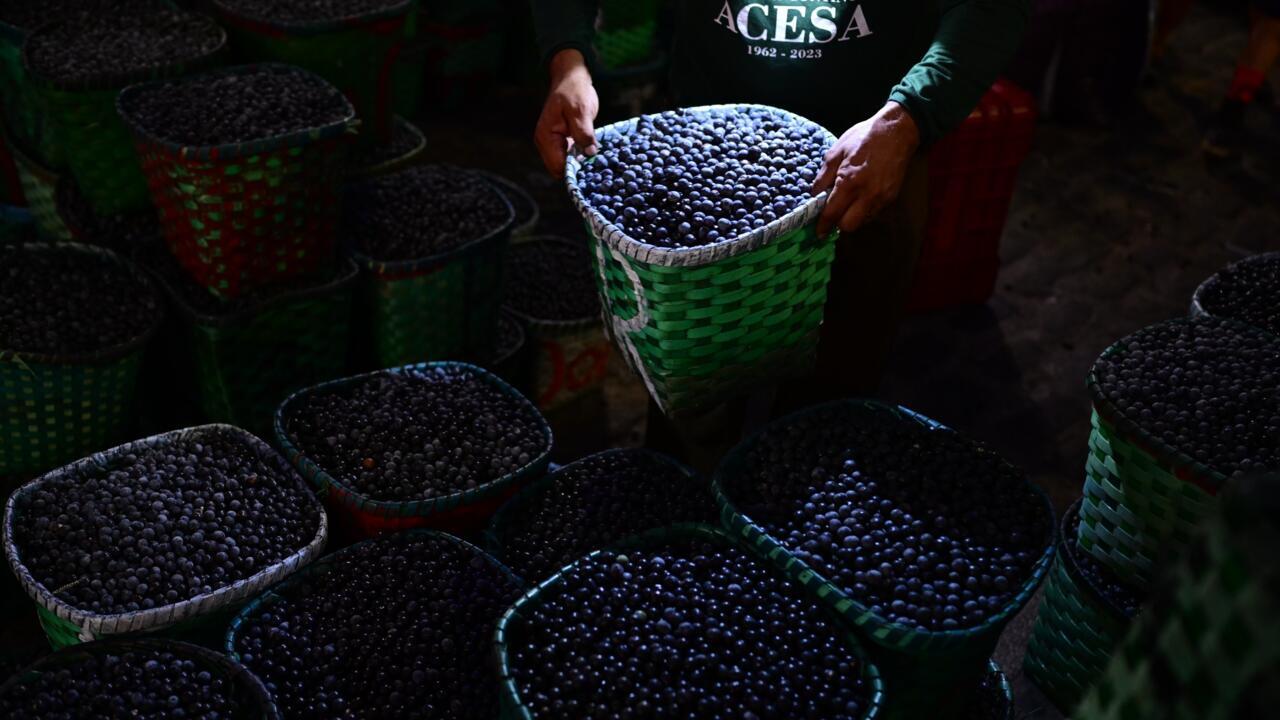
Brazil has passed a law formally recognising açaí (Euterpe oleracea) as a national fruit in a move aimed at curbing biopiracy and protecting the commercial and cultural rights of Amazonian communities. Signed into law by President Luiz Inácio Lula da Silva in January 2026, the statute bolsters the country’s ability to contest foreign claims on açaí-derived products and to highlight the berry as a Brazilian biodiversity asset. The measure, first introduced in 2011, comes amid rising global demand for açaí in food, cosmetics and nutraceuticals; Brazil produced about 1.7 million tonnes in 2024. Lawmakers and analysts describe the step as largely symbolic but useful in commercial disputes: Brazil already has a biopiracy framework and benefit‑sharing rules, and is party to international access-and-benefit-sharing mechanisms. Past controversies cited include a 2003 trademark claim by a Japanese company and a 2018 accusation against a U.S. exporter. Authorities and industry leaders say the law complements existing rules but that enforcement — especially given the ease of using digitised genetic data abroad — remains a key challenge.

🔗 Based On

Pioneering primatologist in Madagascar shares decades of conservation wisdomBrazil declares açaí a national fruit amid biopiracy concernsShanna Hanbury30 Jan 2026
France 24 - International breaking news, top stories and headlinesThe Bright Side: Brazil declares açai berry a national fruit to ward off 'biopiracy'

Death of Canadian tourist prompts dingo cull

🏷️ Wildlife🌍 Australia📅 02/04/2026, 08:45:39🔗 4 sources52Digest ScoreiThis score reflects the story's reliability, bias neutrality, and public momentum.
Death of Canadian tourist prompts dingo cull

📰 Full Story

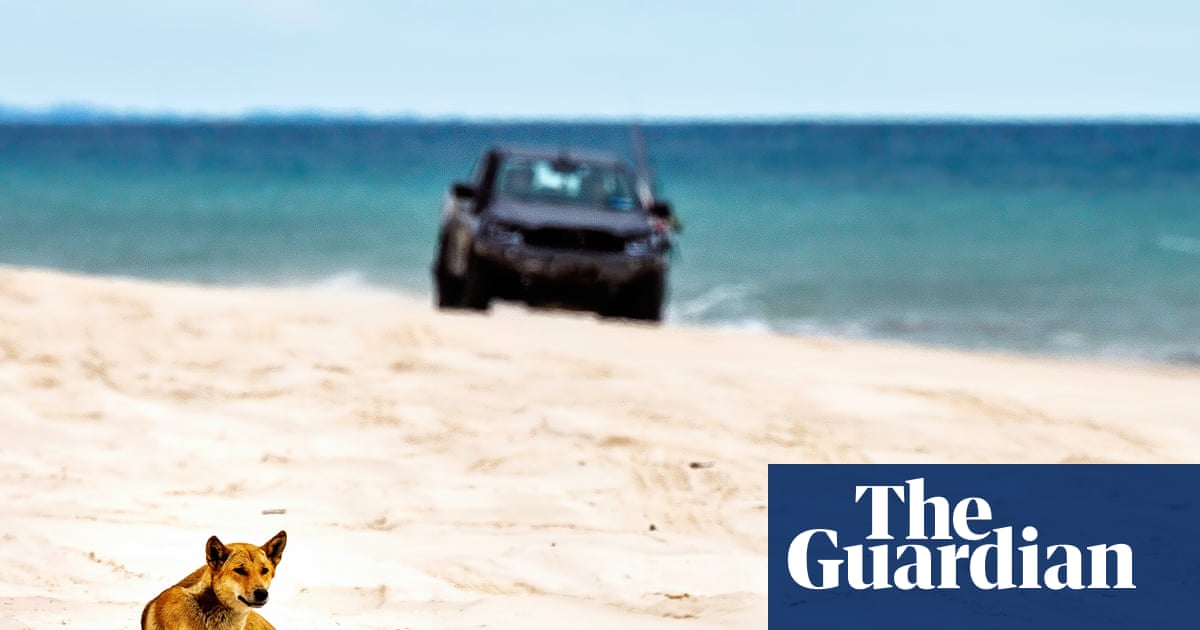
A 19-year-old Canadian backpacker, Piper James, was found dead on K’gari (Fraser Island) in the early hours of 19 January; her body was discovered near the SS Maheno shipwreck and was surrounded by a pack of dingoes. A preliminary coronial assessment has identified physical evidence consistent with drowning and injuries consistent with dingo bites, but pathology results are pending and may take weeks. Queensland authorities identified a pack of about 10 animals as involved and ordered they be humanely euthanised; officials said eight dingoes had been put down and one remained outstanding as of 4 February. The decision has provoked sharp criticism from dingo experts and K’gari’s Butchulla traditional owners, who say they were not consulted and regard the animals as sacred. Scientists warn the island population numbers fewer than 200, with low genetic diversity and high inbreeding, and say removing multiple animals risks an “extinction vortex.” The incident has reignited debate over visitor behaviour, overtourism, safety rules and whether tourism numbers or management practices on the World Heritage-listed island should change. Piper’s parents have travelled from Canada for a traditional smoking ceremony and to take their daughter home.

UN talks falter on global minerals traceability treaty

🏷️ Wildlife🌍 Kenya📅 02/04/2026, 04:18:34🔗 2 sources53Digest ScoreiThis score reflects the story's reliability, bias neutrality, and public momentum.
UN talks falter on global minerals traceability treaty

📰 Full Story

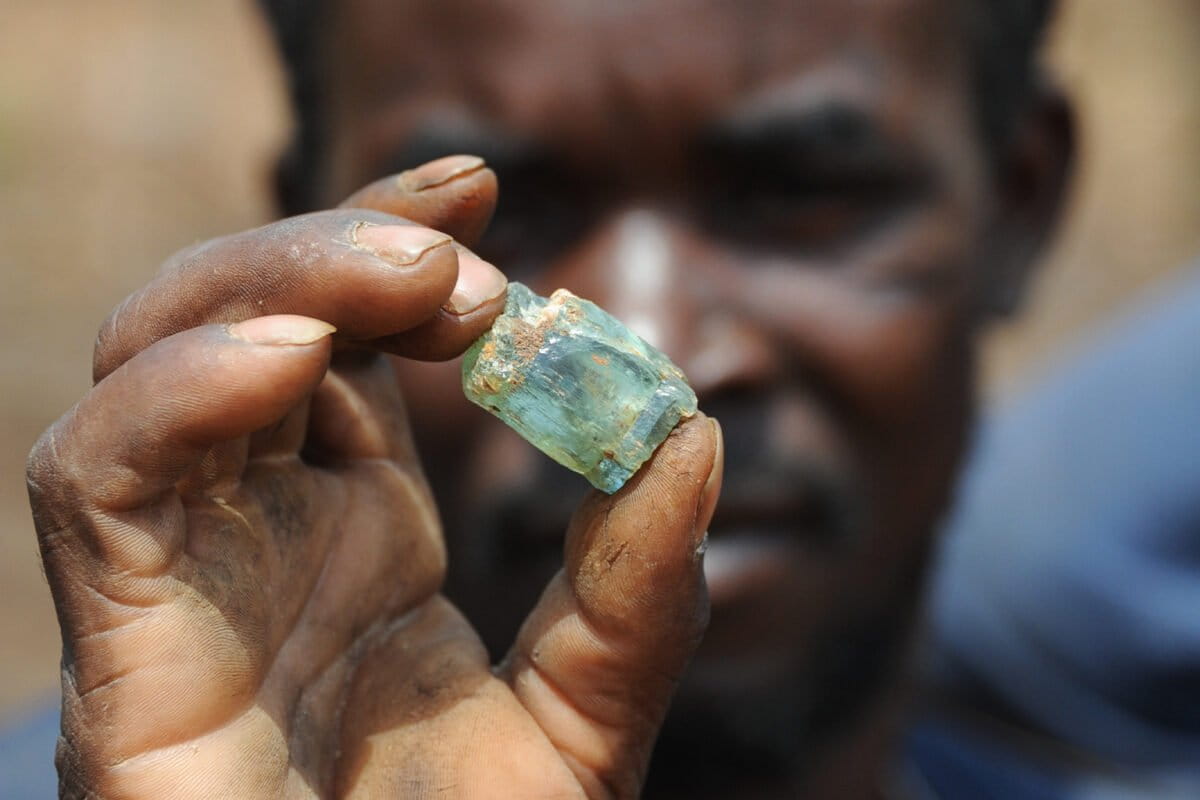
Colombia and Oman’s joint push for a binding global treaty to trace critical minerals stalled at the seventh U.N. Environment Assembly (UNEA-7) in Nairobi in December 2025, according to reporting this week. The original proposal sought legally binding traceability and due‑diligence mechanisms across mineral supply chains to curb socio‑environmental harms from mining. Delegates facing political, economic and national security objections narrowed the outcome to a three‑point nonbinding resolution focused on dialogue, cooperation and resource recovery from mining waste; explicit traceability measures were removed. Observers warn full traceability is technically complex but crucial to prevent forest loss, water contamination and land grabs linked to rising demand for copper, nickel, cobalt and rare earths used in clean‑energy and defence sectors. Colombia and Oman — both mineral producers — and NGOs say they will continue to press the issue ahead of UNEA‑8 in December 2027, even as competing initiatives emerge to speed investment in critical minerals. Analysts highlight gaps in on‑site control, customs capacity and geological mapping that hinder current enforcement of supply‑chain claims.

Negros Island emerges as Asia-Pacific agroecology hub

🏷️ Wildlife🌍 Philippines📅 02/04/2026, 04:17:56🔗 2 sources51Digest ScoreiThis score reflects the story's reliability, bias neutrality, and public momentum.
Negros Island emerges as Asia-Pacific agroecology hub

📰 Full Story

Negros Island in the Philippines is positioning itself as a regional centre for agroecology after hosting Slow Food’s first-ever Asia-Pacific regional conference in Bacolod City from Nov. 19-23, 2025. Ramon “Chin-Chin” Uy Jr., a sustainable food entrepreneur who began a composting business in 2005 and launched an organic farm in 2006, has been named Slow Food councilor for Southeast Asia. Uy and local partners have helped expand organic cultivation to roughly 20,000 hectares across Negros, involving an estimated 20,000 small-scale farming households. Provincial designations — Bacolod as the Center for Sustainable Gastronomy and Negros Occidental as the Organic Capital of the Philippines — aim to link producers, chefs, food artisans and policymakers to promote biodiversity, regenerative practices and climate-resilient food systems. Initiatives include farmer consolidation, retail outlets and enterprises that bypass middlemen to improve incomes and local food security, with the island promoted as a practical platform for scaling agroecology across Southeast Asia and the Pacific.

Aerial photography highlights Brunei's Temburong forest

🏷️ Wildlife🌍 Brunei📅 02/04/2026, 04:17:18🔗 2 sources52Digest ScoreiThis score reflects the story's reliability, bias neutrality, and public momentum.
Aerial photography highlights Brunei's Temburong forest

📰 Full Story

Photographer Rhett Ayers Butler captured a series of aerial images in January 2026 over Brunei’s Temburong District, highlighting the region’s largely intact lowland dipterocarp forest and the rivers that structure its landscape. The pictures show peat-dark waterways, layered canopy, buttressed trunks, lianas and epiphytes, and the transition zones where forest meets cleared land across Borneo. Temburong is geographically separated from the rest of Brunei by Malaysian territory and has avoided the industrial logging, plantation agriculture and major roads that have transformed large parts of neighboring Sabah and Sarawak. Ulu Temburong National Park, accessible by river and foot, anchors the district and supports wildlife such as hornbills and gliding lizards (though not orangutans or elephants, which occur across the border in Malaysia). The photographer notes ethical constraints in drone use—keeping clear of people, infrastructure and wildlife—and frames aerial work as a way to reveal landscape patterns not visible from the ground while leaving sites undisturbed.

🔗 Based On

Pioneering primatologist in Madagascar shares decades of conservation wisdomFrom above: Aerial BorneoRhett Ayers Butler3 Feb 2026

Conservation needs causal evidence for impact

🏷️ Wildlife📅 02/04/2026, 04:15:08🔗 2 sources52Digest ScoreiThis score reflects the story's reliability, bias neutrality, and public momentum.
Conservation needs causal evidence for impact

📰 Full Story

An op-ed published in early February 2026 urges conservation practitioners to make causal evaluation standard practice rather than the exception. Citing seminal work by Paul Ferraro and Subhrendu Pattanayak (2006) and a 2008 study by Kwaw Andam and colleagues, the piece argues that many evaluations have confused correlation with causation — for example, protected areas often appear effective simply because they are located in remote places less prone to deforestation. The author calls for routine use of counterfactual thinking, explicit causal mechanisms and rigorous impact evaluation methods to determine what interventions actually reduce biodiversity loss. While research-led impact evaluations have increased over the past two decades, most conservation projects remain unevaluated or produce results that are too technical for on-the-ground practitioners. With biodiversity declining and key tipping points approaching, the op-ed warns that continued reliance on weak evidence risks wasting scarce conservation funding and undermining efforts to halt ecosystem collapse.
Explore more on NewsDigest